
Creating a luxurious home environment doesn’t require an unlimited budget or a professional interior designer. With creativity and strategic planning, you can transform any space into a stunning sanctuary.

The beauty of DIY home decor lies in its ability to reflect your personal style while achieving that coveted high-end aesthetic. Whether you’re working with a small apartment or an expansive house, the right decorative touches can completely revolutionize your living environment. Today’s DIY enthusiasts have access to countless techniques, materials, and inspiration sources that make luxury-looking decor accessible to everyone, regardless of skill level or financial constraints.
✨ The Art of Choosing Statement Pieces That Command Attention
Every sophisticated space needs focal points that immediately capture attention when someone enters the room. Statement pieces serve as anchors for your overall design scheme and set the tone for the entire space.
Consider creating an oversized abstract painting using canvas, acrylic paints, and metallic accents. The key to making DIY art look expensive is working with a cohesive color palette and incorporating texture through layering techniques. Gold leaf, copper foil, or even textured paste can add dimensional interest that rivals gallery pieces.
Large mirrors with decorative frames create an illusion of expanded space while adding elegance. You can transform an inexpensive mirror by building a custom frame using trim molding, painting it in sophisticated neutrals or metallics, and distressing edges for an antique appearance.
Strategic Placement Makes All the Difference
Where you position your statement pieces matters as much as the pieces themselves. Hang artwork at eye level, typically 57-60 inches from the floor to the center of the piece. For mirrors, consider placing them opposite windows to maximize natural light reflection and create depth.
Sculptural elements on console tables, mantels, or floating shelves add vertical interest and draw the eye upward, making ceilings appear higher. Group items in odd numbers—three or five objects create more visually appealing arrangements than even numbers.
🎨 Mastering Color Psychology and Paint Techniques for Luxury Appeal
Paint remains one of the most cost-effective ways to dramatically transform any space. However, achieving that high-end look requires understanding color psychology and application techniques that go beyond basic wall painting.
Rich, saturated colors like deep navy, emerald green, or charcoal create immediate sophistication when used on accent walls. Alternatively, soft neutrals like greige, warm white, or blush create serene, spa-like environments that feel inherently luxurious.
Advanced Painting Techniques That Elevate Ordinary Walls
Accent walls featuring geometric patterns, ombre effects, or color blocking add architectural interest without expensive renovations. Use painter’s tape to create crisp lines for geometric designs, measuring carefully to ensure symmetry and professional results.
Consider painting ceiling trim, crown molding, or door frames in contrasting colors to highlight architectural details. High-gloss finishes on trim against matte walls create dimension and reflect light beautifully, mimicking the finish quality found in designer homes.
Faux finishes like Venetian plaster, marble effects, or grasscloth textures add tactile luxury to walls. These techniques require practice but deliver stunning results that rival expensive wallpaper or specialty materials.
🛋️ Furniture Transformations That Look Custom-Made
Existing furniture pieces can be completely reimagined through strategic updates that make them appear custom or designer-quality. This approach saves money while allowing you to achieve exactly the aesthetic you desire.
Reupholstering chairs or sofas with high-quality fabric instantly elevates their appearance. Choose fabrics with interesting textures—velvet, linen, or bouclé—that photograph beautifully and feel luxurious to touch. If full reupholstery seems daunting, start with seat cushions or throw pillows.
Hardware Updates Create Instant Sophistication
Replacing cabinet hardware, drawer pulls, and door handles with brass, matte black, or crystal options dramatically changes furniture character. This simple swap takes minutes but creates maximum visual impact, especially on dressers, nightstands, and kitchen cabinets.
Adding decorative legs to basic furniture pieces transforms their silhouette entirely. Remove standard legs from sofas, chairs, or cabinets and replace them with turned wood legs, tapered mid-century modern styles, or elegant brass options available at hardware stores.
💡 Lighting Strategies That Create Ambiance and Drama
Lighting design separates amateur spaces from professionally designed environments. Layered lighting—combining ambient, task, and accent lighting—creates depth and allows you to adjust mood throughout the day.
DIY pendant lights made from interesting materials like woven baskets, wire frameworks, or geometric shapes add architectural interest overhead. Spray paint existing light fixtures in trending finishes like brushed gold, matte black, or aged brass for an instant upgrade.
Strategic Placement for Maximum Impact
Install dimmer switches on all lighting circuits to control intensity and create atmosphere. This inexpensive upgrade provides tremendous flexibility for entertaining, relaxing, or working.
String lights, LED strips, or rope lighting behind furniture, under cabinets, or along architectural features create ambient glow that feels expensive and intentional. Warm white temperatures (2700-3000K) create inviting, high-end atmospheres compared to harsh cool whites.
Floor and table lamps provide necessary task lighting while serving as decorative sculptures themselves. Choose lamps with interesting bases, then customize shades with fabric, trim, or paint to perfectly coordinate with your color scheme.
🌿 Bringing Nature Indoors for Organic Luxury
Biophilic design—incorporating natural elements—creates sophisticated spaces that feel fresh and alive. Plants, natural materials, and organic textures add layers of visual interest while improving air quality and overall wellbeing.
Large potted plants like fiddle leaf figs, monstera, or bird of paradise create dramatic focal points in corners or beside furniture. Place them in decorative planters—ceramic, woven baskets, or modern concrete vessels—that complement your overall aesthetic.
Natural Materials Add Textural Depth
Incorporate wood, stone, rattan, and natural fibers throughout your space for warmth and sophistication. A live-edge wood shelf, stone tabletop, or woven wall hanging adds organic beauty that balances modern elements.
Create terrariums or plant arrangements in glass vessels for tabletop interest. These living sculptures require minimal maintenance while providing gorgeous green accents that feel intentionally curated.
🖼️ Gallery Walls and Display Strategies for Visual Interest
Curated gallery walls showcase personality while creating sophisticated focal points. The key lies in thoughtful planning and strategic arrangement rather than haphazard placement.
Before hammering nails, lay out your arrangement on the floor, spacing frames 2-3 inches apart. Photograph the layout, then transfer it to your wall by tracing frame outlines on kraft paper templates. This planning prevents unnecessary holes and ensures balanced composition.
Mixing Frame Styles and Artwork Intentionally
Combining different frame materials, sizes, and artwork types creates collected-over-time sophistication. Mix family photos with abstract prints, vintage finds, and DIY art pieces. Unify the collection through consistent matting, frame colors, or thematic elements.
Floating shelves offer flexible display options that can be easily updated. Arrange books, small plants, framed photos, and decorative objects in layered groupings that create depth. Lean larger frames against walls behind smaller objects for casual elegance.
🪟 Window Treatment Solutions That Add Architectural Beauty
Windows frame your views and control natural light, making their treatment crucial for achieving high-end aesthetics. Custom-looking window treatments don’t require professional installation or excessive budgets.
Floor-length curtains in quality fabrics immediately elevate any room. Mount curtain rods near the ceiling rather than just above windows to create the illusion of taller ceilings and more expansive windows. Choose panels that extend several inches beyond window frames when drawn for fullness and luxury.
Layering for Depth and Function
Combine sheer panels with heavier drapes for light control flexibility and visual interest. This layering technique adds dimension while serving practical purposes throughout different times of day.
Roman shades made from quality fabric provide clean, tailored looks that work in any style from traditional to contemporary. DIY kits make creating custom shades achievable even for beginners, delivering results that rival expensive custom options.
✂️ Textile Selections That Create Cohesive Luxury
Fabrics throughout your space contribute significantly to perceived quality and comfort. Strategic textile choices unify design elements while adding tactile richness that distinguishes high-end interiors.
Invest in quality throw pillows featuring varied textures—velvet, silk, linen, and faux fur—in your color palette. Mix patterns thoughtfully, combining different scales: large florals with small geometrics, or bold stripes with subtle textures.
Layering Textiles for Depth
Throw blankets casually draped over sofas or chairs add cozy sophistication. Choose luxurious materials like chunky knits, faux fur, or woven cotton in complementary colors that invite touch.
Area rugs anchor spaces and define zones in open floor plans. Layer smaller rugs over larger neutral ones for collected charm, or choose oversized rugs that extend under all furniture front legs for cohesive grounding.
🔨 Architectural Details That Add Character and Value
Architectural elements create permanent upgrades that significantly impact your space’s character. These projects require more effort but deliver transformative results that appear professionally designed.
Installing crown molding, chair rails, or picture frame molding adds classical elegance to plain walls. Pre-cut corners and lightweight materials make these projects manageable for DIY enthusiasts, while painting molding the same color as walls creates subtle sophistication.
Creating Focal Points Through Built-In Illusions
Faux built-ins created by framing bookcases with trim work look custom while costing a fraction of true built-ins. Add crown molding across the top, baseboards at the bottom, and trim along sides to integrate standalone units seamlessly into walls.
Accent walls featuring board and batten, shiplap, or geometric wood patterns add dimensional interest and architectural character. These treatments work beautifully behind beds, in dining rooms, or as focal points in living spaces.
🎯 Accessorizing with Intention for Polished Results
Accessories complete your design story, but curation matters more than quantity. Thoughtfully selected and arranged decorative objects create finished, magazine-worthy spaces without clutter.
Choose accessories in various heights, shapes, and textures to create visual interest on surfaces. Group items in odd numbers, varying scales from large anchor pieces to smaller supporting elements that guide the eye through the arrangement.
The Power of Negative Space
Resist filling every surface. Negative space allows featured pieces to breathe and maintains the clean, uncluttered aesthetic characteristic of high-end design. Edit ruthlessly, removing items that don’t serve your vision or color story.
Trays corral smaller objects on coffee tables and ottomans while creating defined vignettes. Choose trays in materials that complement your aesthetic—marble, brass, wood, or lacquered finishes—and style them with books, candles, and small decorative objects.
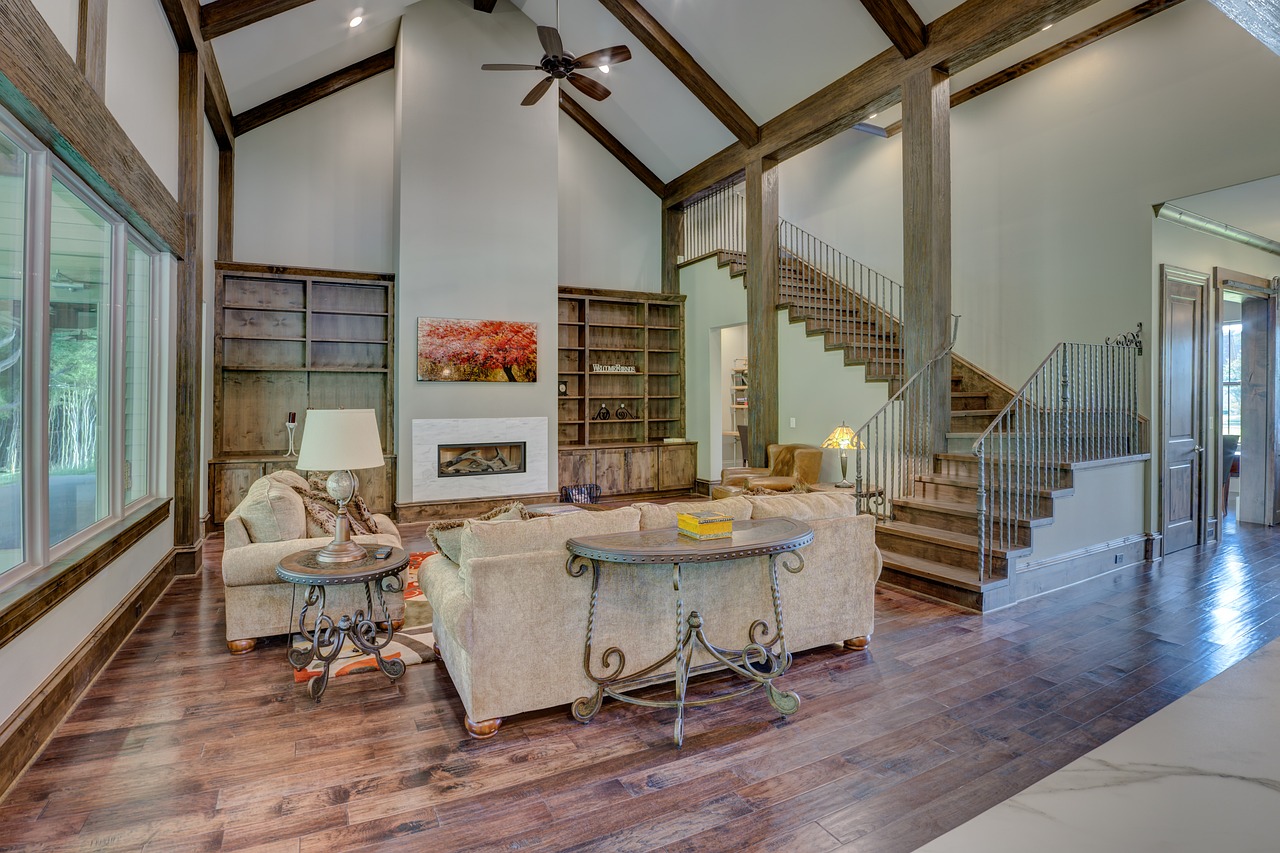
🌟 Bringing It All Together for Cohesive Elegance
Transforming your space with DIY decor that looks professionally designed requires viewing your home holistically rather than room by room. Color palettes, materials, and design elements should flow throughout, creating visual continuity that feels intentional and sophisticated.
Start with a clear vision by creating mood boards featuring inspiration images, color swatches, and material samples. This planning phase prevents costly mistakes and ensures purchases work together cohesively.
Implement changes gradually, completing one project fully before starting another. This measured approach allows you to live with changes, adjust as needed, and maintain enthusiasm throughout your transformation journey.
Quality over quantity should guide every decision. One stunning DIY element makes greater impact than numerous mediocre additions. Invest time in proper execution—clean lines, careful measurements, and quality materials—for results that truly rival professional work.
Remember that high-end design isn’t about following trends blindly but creating spaces that reflect your personal style while incorporating timeless elements that won’t feel dated quickly. Classic color palettes, quality materials, and thoughtful arrangements never go out of style.
Your transformed space should feel collected over time rather than decorated in a single shopping trip. Mix new DIY pieces with vintage finds, inherited treasures, and meaningful objects that tell your unique story while maintaining aesthetic cohesion.
The journey of transforming your home through DIY decor offers creative fulfillment beyond the beautiful results. Each completed project builds confidence and skills while creating a living environment that truly feels like yours—luxurious, intentional, and perfectly suited to how you live.