
Breaking the ice at social gatherings doesn’t have to be awkward or forced. With the right games and activities, you can transform any group of strangers into a room full of laughter and genuine connections.

Whether you’re hosting a corporate event, planning a party, or organizing a team-building session, having a repertoire of engaging icebreakers can make all the difference. The key is choosing activities that feel natural, encourage participation without pressure, and create moments of shared joy that people will remember long after the event ends.
Why Icebreaker Games Matter More Than You Think 🎯
Icebreaker activities serve a purpose far beyond simply filling time. They create psychological safety, allowing people to lower their guards and connect authentically. When people laugh together, they release oxytocin, the bonding hormone that facilitates trust and openness.
Research consistently shows that groups who engage in structured social activities at the beginning of their time together demonstrate higher levels of collaboration, creativity, and overall satisfaction. These games provide a shared experience that becomes a reference point for future interactions, making subsequent conversations flow more naturally.
The best icebreakers also reveal personality traits and common interests without forcing people into uncomfortable self-disclosure. Through play, we learn about each other organically, discovering shared humor, values, and perspectives that might never surface in traditional introductions.
Classic Games That Never Fail to Entertain
Two Truths and a Lie: The Ultimate Conversation Starter
This timeless game works in virtually any setting because it combines storytelling, mystery, and personal revelation. Each participant shares three statements about themselves—two true and one fabricated—while others guess which is the lie.
The beauty of this activity lies in its flexibility. In professional settings, statements can remain work-appropriate and surface-level. In casual gatherings, participants can venture into more personal or humorous territory. The game naturally generates follow-up questions and conversations as people want to learn more about the surprising truths revealed.
To maximize engagement, encourage participants to make their statements equally believable. The most memorable rounds happen when the truths sound outrageous and the lie seems perfectly ordinary, creating genuine surprise and laughter when the reveal happens.
Human Bingo: Movement Meets Connection
Human Bingo transforms the classic game into a social scavenger hunt. Create bingo cards with characteristics, experiences, or skills in each square, such as “has traveled to more than five countries,” “speaks three languages,” or “has a pet reptile.”
Participants must move around the room, finding people who match each description and having them sign the corresponding square. The first person to complete a row, column, or full card wins, but the real victory is the dozens of micro-conversations that happen during the game.
This activity works exceptionally well for large groups because it forces mingling and creates natural conversation starters. Unlike activities where people sit in circles, Human Bingo generates physical movement and energy that elevates the entire atmosphere of the event.
Creative Activities for Visual and Kinesthetic Learners 🎨
Collaborative Art Projects That Break Down Barriers
Not everyone thrives in verbal icebreakers. Collaborative art activities provide an alternative pathway to connection that engages different cognitive styles. A group mural, where each person adds their unique contribution to a shared canvas, creates something tangible that represents the collective energy of the group.
You don’t need artistic talent to make this work. Simple activities like creating a group mandala with colored markers, building something together with craft materials, or even decorating cookies can facilitate bonding through creative collaboration rather than conversation alone.
The low-stakes nature of these activities reduces social anxiety. People can participate at their comfort level, and the focus on the creative process rather than personal disclosure makes it easier for introverts and those with social anxiety to engage authentically.
Photo Scavenger Hunts in the Digital Age
Modern technology has revolutionized the classic scavenger hunt. Divide participants into small teams and challenge them to capture specific photos within a time limit. Tasks might include “team doing a synchronized jump,” “everyone wearing something borrowed from another team member,” or “creative interpretation of your company values.”
This activity combines problem-solving, creativity, and teamwork while producing shareable content that extends the event’s impact beyond the immediate moment. The photos become artifacts of shared experience that participants can revisit and laugh about later.
Digital platforms designed specifically for scavenger hunts make organizing and tracking these activities seamless, with real-time leaderboards and photo sharing that amp up the competitive fun.
High-Energy Games for Active Groups 🏃
Musical Chairs With a Twist
The childhood classic gets a social upgrade when you add conversation requirements. When the music stops and someone is eliminated, instead of leaving the game entirely, they become an interviewer who must chat with the next eliminated person, gradually building a conversation circle outside the main game.
This modification ensures no one feels truly “out” while maintaining the excitement and physical activity that makes musical chairs engaging. The combination of movement, music, and social interaction creates an energized atmosphere that’s perfect for breaking through initial stiffness.
Group Juggle: Coordination Meets Comedy
Have everyone stand in a circle. One person starts by making eye contact with someone across the circle, saying their name, and tossing them a soft ball. That person does the same with someone else, creating a pattern. Once established, introduce additional balls into the same pattern, increasing complexity and inevitably creating hilarious moments of chaos.
This game requires attention, communication, and cooperation while being inherently funny when things go wrong. The shared experience of trying to maintain the pattern as it becomes increasingly impossible creates bonding through collective challenge and laughter.
Mind-Engaging Activities for Intellectually-Oriented Groups 🧠
Escape Room Challenges at Your Event
You don’t need a professionally designed escape room to incorporate puzzle-solving into your icebreaker activities. Create simple mystery scenarios with clues hidden around your venue. Teams must work together, combining information and perspectives to solve the challenge.
These activities reveal how people approach problems, communicate under pressure, and contribute to team efforts. The shared investment in solving the mystery creates natural camaraderie, and the sense of accomplishment when groups succeed generates positive associations with the entire gathering.
Would You Rather: Deep Edition
Move beyond silly “Would you rather” questions to thought-provoking dilemmas that reveal values and priorities. Questions like “Would you rather have the ability to change one past decision or see one possible future?” spark genuine philosophical discussions.
The key is creating a judgment-free environment where all answers are valid. This activity works best in smaller groups or breakout sessions where people can explain their reasoning and engage in meaningful dialogue about their choices.
Technology-Enhanced Icebreakers for Modern Events 📱
Interactive Polling and Quizzes
Real-time polling apps allow everyone to participate simultaneously, perfect for large groups where turn-taking would be impractical. Create quizzes about fun facts, pop culture, or topics relevant to your group, displaying results instantly on a shared screen.
The anonymity of digital responses can make people more willing to participate honestly, and seeing collective results creates moments of “me too!” recognition that build community. Follow up surprising poll results with conversations about why people answered as they did.
Game-based learning platforms transform trivia into competitive, engaging experiences with music, timers, and leaderboards that create excitement and investment in the activity.
Virtual Reality Icebreakers for Tech-Forward Groups
For organizations with access to VR technology, collaborative virtual experiences provide unforgettable icebreaking opportunities. Participants can explore virtual worlds together, solve VR puzzles, or even face simulated challenges that require teamwork.
The novelty factor alone generates conversation, but the shared experience of navigating an alternate reality creates powerful bonding moments. Even watching others try VR for the first time becomes an icebreaker as the group shares in their reactions and discoveries.
Seasonal and Themed Icebreaker Ideas 🎃
Holiday-Specific Activities That Celebrate Together
Tailor icebreakers to the season or upcoming holidays for added relevance and fun. A Halloween gathering might include “Costume Origin Stories” where everyone explains their outfit choice. Winter events could feature “Holiday Tradition Speed Dating” where people rotate partners and share their family customs.
Themed activities give people easy entry points for conversation and create festive atmospheres that elevate the entire event. The specificity of seasonal themes also provides natural structure that makes participation feel less intimidating.
Interest-Based Icebreakers for Niche Groups
When your group shares a common interest—book club, gaming community, professional association—design icebreakers that acknowledge and celebrate that shared passion. A book club might play “Literary Character Switch,” imagining how different characters would handle various scenarios. A gaming group could create character backstories for each other using role-playing game mechanics.
These specialized icebreakers skip surface-level getting-to-know-you questions and dive straight into the interests that truly motivate group members, creating deeper connections faster.
Low-Pressure Activities for Anxiety-Conscious Hosts 💚
Silent Icebreakers for Thoughtful Connection
Not all icebreakers need to be loud or performative. Post-it note conversations, where people write questions and answers on sticky notes and create dialogue trees on a wall, allow introverts to participate at their own pace without spotlight pressure.
Similarly, creating a shared playlist where everyone adds a song that represents their current mood or personality gives people a way to express themselves without verbal performance. Discussing musical choices later provides natural conversation material with built-in common ground.
One-on-One Rotation Systems
Speed friending, modeled after speed dating, pairs people for three-to-five-minute conversations before rotating to a new partner. This structure removes the pressure of navigating group dynamics and ensures everyone interacts with everyone else at least briefly.
Provide conversation prompts for each rotation to give people starting points, but allow flexibility for organic conversation flow. This method is particularly effective for professional networking events where the goal is making multiple meaningful connections efficiently.
Food-Centered Icebreakers That Satisfy Multiple Senses 🍕
Cooking or Baking Challenges
Divide participants into teams and challenge them to create something edible within time and resource constraints. The collaboration required for culinary creation naturally facilitates teamwork and reveals personality traits—who emerges as leaders, who provides creative ideas, who focuses on execution.
The sensory experience of cooking together—aromas, tastes, textures—creates stronger memories than purely conversational activities. Plus, everyone gets to enjoy the edible results, literally savoring the fruits of their collaborative labor.
Cultural Potluck Storytelling
Ask participants to bring a dish that represents their heritage or a meaningful memory, and build time into the event for people to share the stories behind their contributions. Food becomes a vehicle for personal narrative, and the act of sharing meals together is one of humanity’s oldest bonding rituals.
This approach works beautifully for diverse groups, celebrating differences while creating appreciation for varied backgrounds. The informal setting of eating together naturally lowers social barriers and creates comfortable conditions for authentic sharing.
Adapting Icebreakers for Different Group Sizes and Settings
Strategies for Large Groups (50+ People)
Large gatherings require icebreakers that either work simultaneously for everyone or can be experienced in smaller breakout groups. Activities that use technology for mass participation, or challenges that send teams on missions throughout a space, maintain engagement without requiring everyone’s attention on a single focal point.
Consider creating multiple stations with different activities, allowing people to self-select based on interest and energy level. This approach accommodates different personality types and prevents bottlenecks that kill momentum.
Intimate Group Modifications (Under 15 People)
Small groups allow for deeper, more personal icebreakers since everyone will have opportunities to participate substantively. Story-based activities, where people share meaningful experiences or answer thought-provoking questions, work well when you don’t need to worry about time constraints or losing people’s attention.
The intimacy of small groups also allows for follow-up questions and organic conversation tangents that would derail larger group activities but enrich small group dynamics.
Making Icebreakers Inclusive and Accessible ♿
Considering Physical and Cognitive Accessibility
The best icebreakers work for everyone in your group, regardless of physical ability, neurodiversity, or other differences. Offer multiple ways to participate in each activity—if one element requires physical movement, ensure the core bonding experience isn’t dependent on that movement.
Provide clear instructions in multiple formats (verbal, written, demonstrated) and allow people to opt into levels of participation that feel comfortable. The goal is connection, not forcing everyone into identical experiences.
Cultural Sensitivity in Activity Selection
Be mindful of cultural differences in personal space, touch, eye contact, and self-disclosure when choosing icebreakers. What feels like harmless fun in one cultural context might be deeply uncomfortable in another. Research your group’s cultural composition and select activities that respect varied norms.
When in doubt, offer choices. Providing multiple simultaneous icebreaker options allows people to gravitate toward activities that align with their comfort zones and cultural expectations.
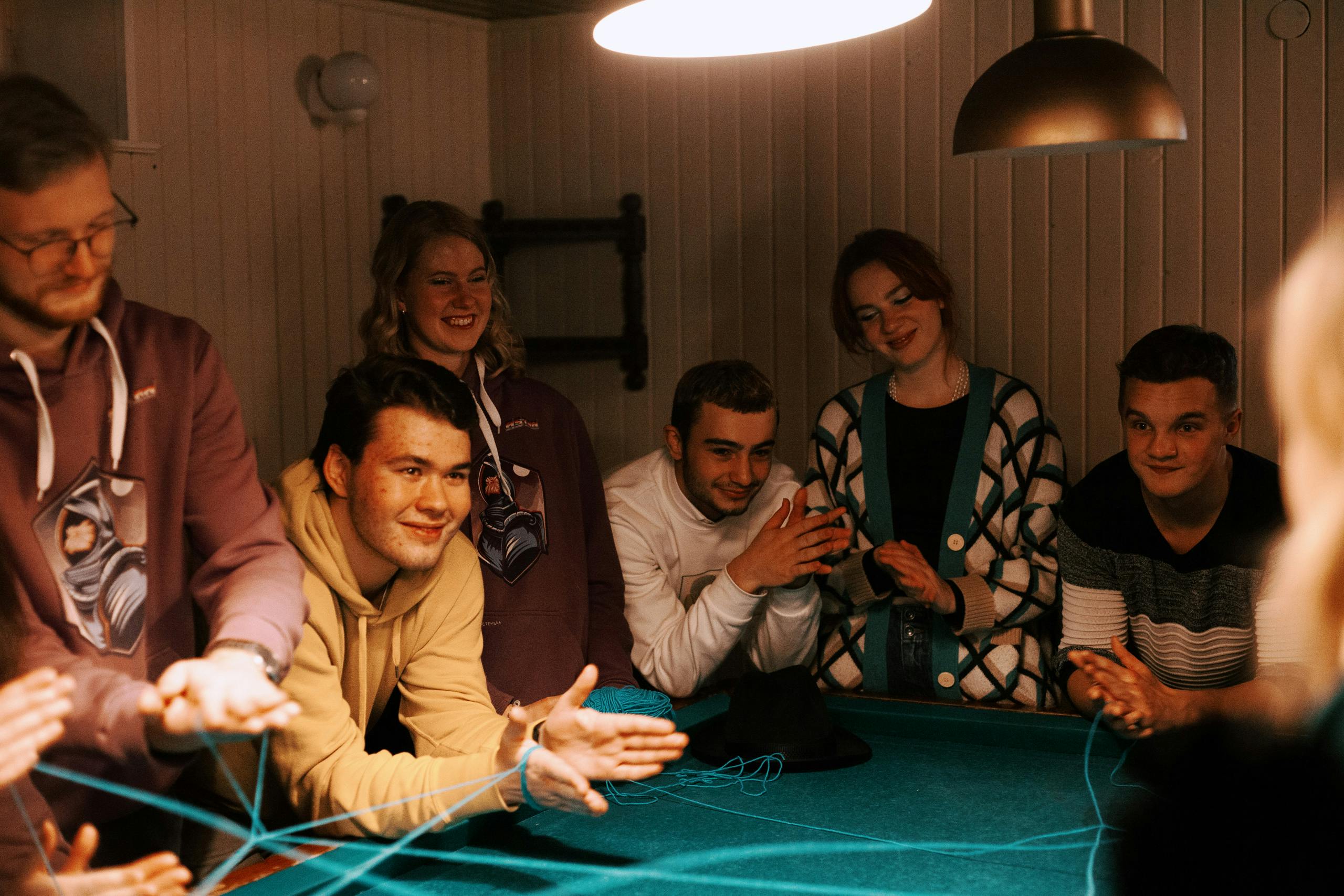
Bringing Joy Into Every Gathering You Host 🌟
The perfect icebreaker doesn’t exist because every group has unique dynamics, energy levels, and needs. What matters most is your genuine intention to create space for connection and your willingness to read the room and adapt accordingly.
Start with activities that match your own personality and facilitation style. Your authentic enthusiasm will be more contagious than perfectly executing an icebreaker that doesn’t resonate with you. As you gain experience, you’ll develop intuition for which activities will land with which groups.
Remember that occasional awkwardness is normal and even valuable—pushing slightly beyond comfort zones is how growth and genuine connection happen. What seems like a “failed” icebreaker might actually be the moment people bond over shared awkwardness, creating inside jokes and memories that define the group going forward.
Keep your icebreaker toolkit diverse, stay attuned to your group’s energy, and maintain a playful spirit. With these elements in place, you’ll consistently create environments where people feel welcomed, valued, and genuinely excited to connect with those around them. The smiles, laughter, and friendships that emerge will be your best evidence that you’ve successfully broken the ice and built something meaningful.