
Switching to a vegetarian lifestyle doesn’t mean sacrificing protein, flavor, or satisfaction. With the right macro swaps, you can create balanced, delicious meals that fuel your body and delight your taste buds.

Whether you’re a committed vegetarian, flexitarian, or simply looking to reduce meat consumption, understanding how to swap macronutrients effectively transforms your cooking. The secret lies in knowing which plant-based ingredients deliver the protein, fiber, and essential nutrients your body needs while maintaining the textures and flavors you crave. This comprehensive guide will walk you through practical strategies, ingredient alternatives, and meal-building techniques that make vegetarian eating both nutritious and incredibly satisfying.
🌱 Understanding Macronutrients in Vegetarian Eating
Before diving into specific swaps, it’s essential to understand the three primary macronutrients: protein, carbohydrates, and fats. Each plays a vital role in your health, and vegetarian diets can provide all three in abundance when approached thoughtfully.
Protein serves as the building block for muscles, enzymes, and hormones. While animal products are complete protein sources containing all nine essential amino acids, many plant foods offer impressive protein content. Carbohydrates provide energy, with complex carbs and fiber supporting digestive health and stable blood sugar levels. Healthy fats support brain function, hormone production, and nutrient absorption.
The beauty of vegetarian macro swaps is that many plant-based proteins come packaged with fiber and beneficial nutrients that animal products lack. Legumes, for instance, deliver protein alongside fiber, iron, and folate. This nutritional synergy makes vegetarian eating particularly health-supportive when done correctly.
Protein-Packed Vegetarian Swaps That Actually Satisfy
Finding adequate protein sources is often the biggest concern for those transitioning to vegetarian eating. Fortunately, the plant kingdom offers diverse, delicious options that can easily replace meat in terms of both nutrition and culinary satisfaction.
Legumes: Your Protein Powerhouses
Beans, lentils, and chickpeas are nutritional superstars that should form the foundation of your vegetarian protein strategy. A single cup of cooked lentils provides approximately 18 grams of protein along with 16 grams of fiber. Black beans offer similar benefits with added antioxidants from their dark pigmentation.
Chickpeas deserve special mention for their versatility. Roasted until crispy, they become a crunchy snack or salad topper. Mashed into burgers, they provide substance and texture. Blended into hummus, they create a protein-rich spread that elevates any meal. Their mild flavor profile makes them adaptable to virtually any cuisine.
Tempeh and Tofu: Soy’s Dynamic Duo
These fermented and coagulated soy products offer complete proteins with all essential amino acids. Tempeh contains about 31 grams of protein per cup and boasts a nutty flavor with firm texture that holds up beautifully in stir-fries, sandwiches, and grain bowls. The fermentation process also adds beneficial probiotics for gut health.
Tofu’s chameleon-like quality allows it to absorb whatever flavors you introduce. Extra-firm tofu can be pressed, cubed, and crisped for meat-like texture, while silken tofu blends smoothly into sauces, smoothies, and desserts. With 20 grams of protein per cup, it’s an efficient macro swap for chicken or fish in countless recipes.
Seitan: The Wheat Meat Wonder
Made from vital wheat gluten, seitan delivers an impressive 75 grams of protein per cup, making it one of the most protein-dense vegetarian options available. Its chewy, meat-like texture makes it ideal for recipes where you’re craving substantial bite—think faux steaks, kebabs, or sandwich fillings.
The key to exceptional seitan lies in seasoning. Because it’s relatively neutral, it readily absorbs marinades and spices. Simmering it in vegetable broth with soy sauce, garlic, and herbs infuses deep flavor throughout. Note that seitan isn’t suitable for those with gluten sensitivities, but for others, it’s a game-changing protein source.
🥗 Fiber-First Swaps for Digestive Health and Satiety
Fiber is where vegetarian diets truly shine, offering benefits that extend far beyond digestion. High-fiber foods promote fullness, stabilize blood sugar, support cardiovascular health, and feed beneficial gut bacteria.
Whole Grains Over Refined Options
Swapping white rice for quinoa, farro, or bulgur dramatically increases both fiber and protein content. Quinoa provides 8 grams of protein and 5 grams of fiber per cooked cup, plus it’s a complete protein. Farro offers a satisfying chew and nutty flavor that transforms grain bowls from boring to brilliant.
Ancient grains like amaranth, millet, and teff bring diversity to your plate while delivering impressive nutritional profiles. These grains contain minerals often lacking in modern diets, including magnesium, zinc, and iron. Experimenting with different grains prevents meal fatigue and expands your nutritional base.
Vegetable Noodle Alternatives
Spiralized vegetables and legume-based pastas offer fiber-rich alternatives to traditional wheat pasta. Zucchini noodles work beautifully with lighter sauces, while chickpea or lentil pasta provides substantially more protein (around 13-15 grams per serving) than regular pasta while adding fiber and a lower glycemic impact.
These swaps aren’t about deprivation—they’re about enhancement. Lentil pasta has a pleasant, slightly earthy flavor that pairs wonderfully with robust tomato sauces or pesto. The added protein and fiber mean you’ll feel satisfied longer, preventing energy crashes and excessive snacking.
Flavor-Forward Techniques for Irresistible Vegetarian Meals
Nutritional adequacy means nothing if your food doesn’t excite you. Developing flavor-building techniques ensures your vegetarian meals are something you genuinely crave, not merely tolerate.
Umami: The Secret Weapon
Umami, the savory fifth taste, adds depth and satisfaction that can make vegetarian dishes feel complete. Ingredients rich in umami include mushrooms (especially dried shiitake), nutritional yeast, miso paste, soy sauce, tomato paste, and seaweed.
Layering umami sources creates complexity that rivals meat-based dishes. A mushroom-lentil burger seasoned with soy sauce and topped with caramelized onions delivers satisfying savory notes from multiple angles. Nutritional yeast, with its cheesy flavor profile, adds umami while contributing B vitamins and complete protein.
Texture Variation Matters
Incorporating diverse textures prevents monotony and increases meal satisfaction. Combine creamy elements like avocado or tahini with crunchy components such as toasted nuts, seeds, or crispy chickpeas. Add chewy elements through grains or tempeh, and fresh crispness via raw vegetables.
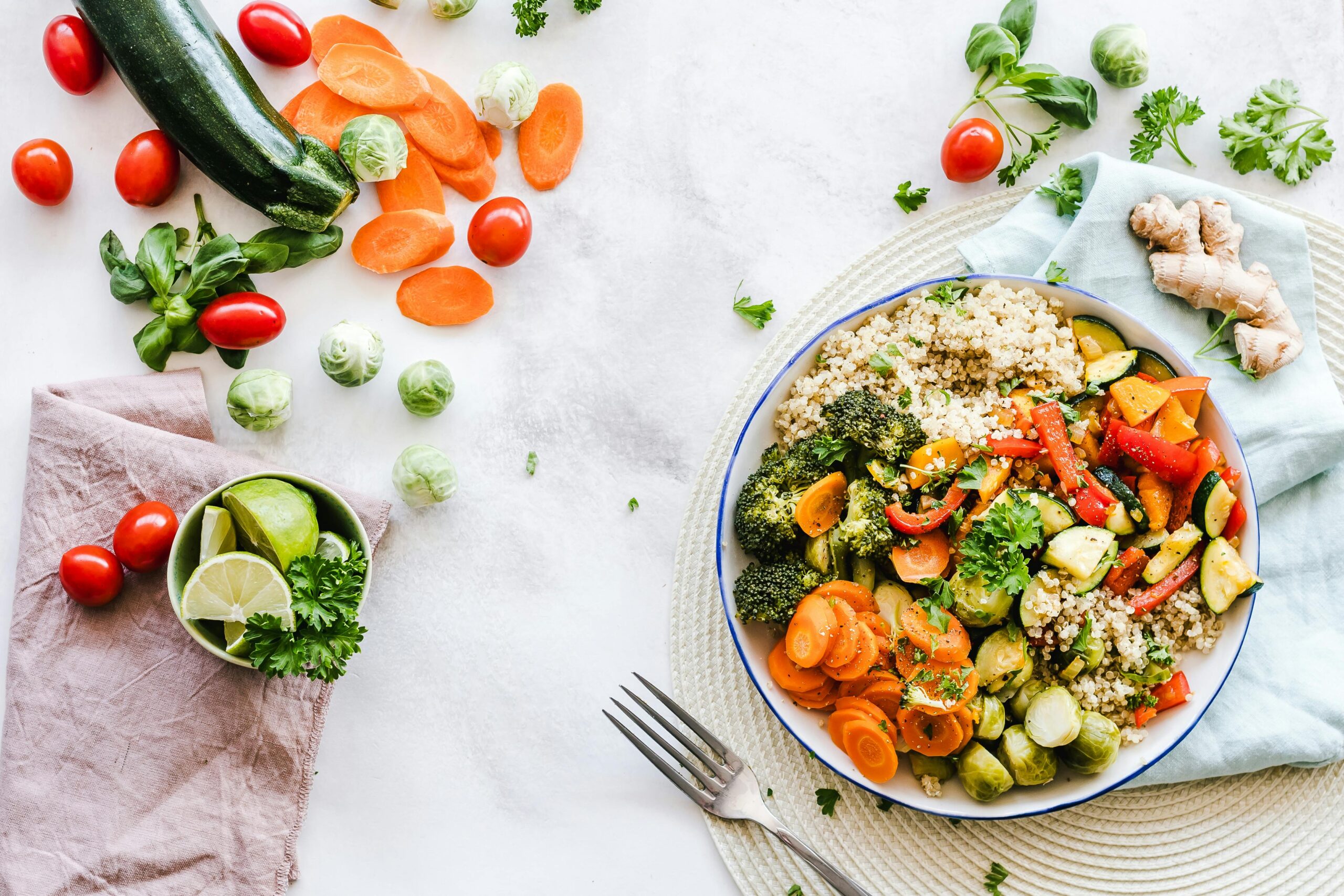
A Buddha bowl exemplifies this principle perfectly: creamy hummus base, chewy farro, crispy roasted vegetables, crunchy seeds, and fresh greens create a textural symphony that keeps every bite interesting. This variety also typically translates to nutritional diversity.
🍳 Strategic Meal Building for Balanced Macros
Creating balanced vegetarian meals becomes intuitive once you understand the formula: quality protein source + complex carbohydrate + healthy fat + abundance of vegetables + flavor enhancers.
The Quarter-Plate Method
Visualize your plate divided into quarters. One quarter holds your primary protein source (tofu, tempeh, legumes, or seitan). Another quarter features whole grains or starchy vegetables (quinoa, sweet potato, or farro). Half the plate showcases non-starchy vegetables in various preparations. Add healthy fats through cooking methods, dressings, or garnishes like avocado, nuts, or seeds.
This approach ensures nutritional balance without obsessive tracking. It’s flexible enough to accommodate various cuisines and preferences while maintaining macro adequacy. A Mexican-inspired plate might feature black beans, brown rice, fajita vegetables, guacamole, and pumpkin seeds, while an Asian version could offer teriyaki tempeh, quinoa, stir-fried vegetables, sesame oil, and cashews.
Smart Snacking Strategies
Between-meal snacks should contribute to your macro targets rather than derailing them. Combining macronutrients in snacks promotes sustained energy and prevents blood sugar spikes. Pair apple slices with almond butter (carbs + fat + protein), enjoy hummus with vegetables (protein + fat + fiber), or make energy balls from oats, nut butter, and seeds.
Preparing snacks in advance removes barriers during busy moments. Portion nuts and seeds into small containers, prep vegetable sticks with protein-rich dips, or make protein-boosted muffins using chickpea flour or protein powder. These ready-to-grab options prevent reaching for less nutritious convenience foods.
Essential Ingredient Swaps for Common Recipes
Adapting your favorite recipes to vegetarian versions becomes straightforward with these targeted swaps that maintain texture, flavor, and nutritional value.
| Traditional Ingredient | Vegetarian Swap | Benefits |
|---|---|---|
| Ground beef | Lentils or crumbled tempeh | Similar texture, added fiber, comparable protein |
| Chicken strips | Pressed tofu or seitan | Takes on marinades well, protein-rich |
| Bacon | Coconut bacon or tempeh bacon | Smoky flavor, satisfying crunch |
| Fish | Hearts of palm or banana blossom | Flaky texture, neutral flavor base |
| Parmesan cheese | Nutritional yeast | Cheesy flavor, B vitamins, complete protein |
| Egg (baking) | Flax egg or aquafaba | Binding properties, omega-3s (flax) |
🥘 Maximizing Protein Absorption and Utilization
Consuming adequate protein is only part of the equation; your body must effectively absorb and utilize it. Several strategies enhance protein bioavailability in vegetarian diets.
Protein Combining for Complete Profiles
While you don’t need to combine proteins at every meal, pairing complementary plant proteins throughout the day ensures you obtain all essential amino acids. Classic combinations include rice and beans, hummus and whole grain pita, or peanut butter on whole wheat bread.
The traditional emphasis on combining proteins in single meals has been relaxed by current nutritional science, which recognizes that your body maintains an amino acid pool throughout the day. Still, combining proteins often occurs naturally in satisfying meals and can be a helpful framework when planning menus.
Enhancing Iron and Mineral Absorption
Plant-based iron (non-heme iron) is less readily absorbed than animal-based iron, but pairing iron-rich foods with vitamin C dramatically increases absorption. Squeeze lemon over lentil soup, serve tomatoes with spinach, or include bell peppers in your bean chili.
Avoiding tea and coffee immediately with meals helps too, as tannins can inhibit iron absorption. Save these beverages for between meals, or choose herbal options during mealtimes. Cooking in cast iron skillets also adds supplemental iron to your dishes, particularly acidic foods like tomato sauce.
Planning Ahead for Success
Preparation removes obstacles and makes nutritious vegetarian eating sustainable long-term. Implementing strategic planning eliminates the “what’s for dinner” stress that leads to less nutritious choices.
Batch Cooking Staples
Dedicate a few hours weekly to preparing versatile components that mix and match across meals. Cook large batches of grains, roast multiple sheet pans of vegetables, prepare several types of beans, and make a couple of sauces or dressings. These building blocks enable quick assembly of balanced meals throughout the week.
Store components separately for maximum flexibility. Cooked quinoa, roasted sweet potatoes, marinated tofu, tahini dressing, and various vegetables can combine into Buddha bowls, wraps, salads, or grain bowls depending on your mood and schedule.
Smart Pantry Stocking
A well-stocked pantry is your insurance policy against nutritional compromises. Keep shelf-stable proteins like canned beans, lentils, and chickpeas readily available. Store various whole grains, nuts, seeds, nutritional yeast, and flavor builders like miso paste, vegetable bouillon, and diverse spices.
Frozen vegetables and fruits provide nutritional insurance when fresh options aren’t available. Frozen edamame, spinach, berries, and mixed vegetables maintain their nutrients and offer convenience. Having these foundations means you’re always one simple preparation away from a balanced, satisfying meal.
💪 Addressing Common Nutritional Concerns
While well-planned vegetarian diets support excellent health, awareness of potential nutritional gaps helps you proactively address them through food choices or appropriate supplementation.
Vitamin B12 Considerations
Vitamin B12 exists primarily in animal products, so vegetarians should consume fortified foods like nutritional yeast, plant milks, and cereals, or consider supplementation. B12 deficiency develops slowly but can cause serious neurological issues, making this nutrient particularly important to monitor.
Regular blood work helps verify adequate levels. If supplementing, sublingual or spray forms often absorb more efficiently than pills. Even lacto-ovo vegetarians who consume dairy and eggs may benefit from fortified foods or supplements, as absorption decreases with age.
Omega-3 Fatty Acids
While vegetarian diets can lack EPA and DHA omega-3s found in fish, they can provide alpha-linolenic acid (ALA) from sources like ground flaxseeds, chia seeds, hemp seeds, and walnuts. Your body converts some ALA to EPA and DHA, though not highly efficiently.
Including these omega-3 sources daily supports this conversion. Grinding flaxseeds fresh enhances absorption, and they integrate seamlessly into smoothies, oatmeal, or baked goods. For additional assurance, algae-based omega-3 supplements provide EPA and DHA from the original source that fish obtain them from.
Embracing Your Vegetarian Journey with Confidence
Mastering vegetarian macro swaps isn’t about perfection—it’s about progress, experimentation, and discovering what works for your body, preferences, and lifestyle. The strategies outlined here provide a framework, but your personal experience will refine your approach over time.
Start by implementing one or two swaps at a time rather than overhauling everything simultaneously. Perhaps begin by replacing ground meat with lentils in your favorite chili recipe, or experiment with tofu in a familiar stir-fry. As confidence grows, expand your repertoire with new ingredients, techniques, and flavor combinations.
Remember that vegetarian eating celebrates abundance rather than restriction. You’re not giving up foods—you’re gaining an entire world of plant-based ingredients, many of which you might never have explored otherwise. Each new grain, legume, or preparation method adds another tool to your culinary toolkit and another dimension to your nutritional profile.
The environmental and ethical benefits of reduced meat consumption add meaning beyond personal nutrition. Your food choices ripple outward, contributing to sustainability and compassionate living. This larger context can provide motivation during moments when convenience tempts you toward old patterns.
Connect with communities of like-minded eaters, whether online or in person. Sharing recipes, troubleshooting challenges, and celebrating successes with others makes the journey more enjoyable and sustainable. The collective wisdom of experienced vegetarians can shortcut your learning curve and introduce you to resources you might not discover alone.
Your vegetarian path is uniquely yours. These macro swaps, flavor techniques, and planning strategies serve as guideposts, but you’ll ultimately create an approach that reflects your tastes, values, and needs. Trust the process, stay curious, and enjoy discovering just how satisfying, delicious, and nutritionally complete plant-based eating can be. With each balanced, flavorful meal you create, you’re not just feeding yourself—you’re developing a sustainable relationship with food that nourishes body, mind, and planet. 🌍