
Transforming your everyday meals into protein-rich powerhouses doesn’t require a complete pantry overhaul. With smart ingredient swaps and strategic choices, you can significantly boost your nutritional intake while enjoying delicious, satisfying meals.

The modern approach to nutrition emphasizes quality protein sources that support muscle health, satiety, and overall wellness. Whether you’re an athlete, busy professional, or health-conscious individual, these high-protein alternatives will revolutionize how you think about everyday staples. Let’s explore practical swaps that deliver maximum nutritional impact with minimal effort.
🥣 The Breakfast Revolution: Starting Your Day with Protein Power
Breakfast sets the nutritional tone for your entire day, yet many traditional morning meals fall short on protein content. The simple act of replacing low-protein staples with nutrient-dense alternatives can dramatically improve your energy levels and reduce mid-morning cravings.
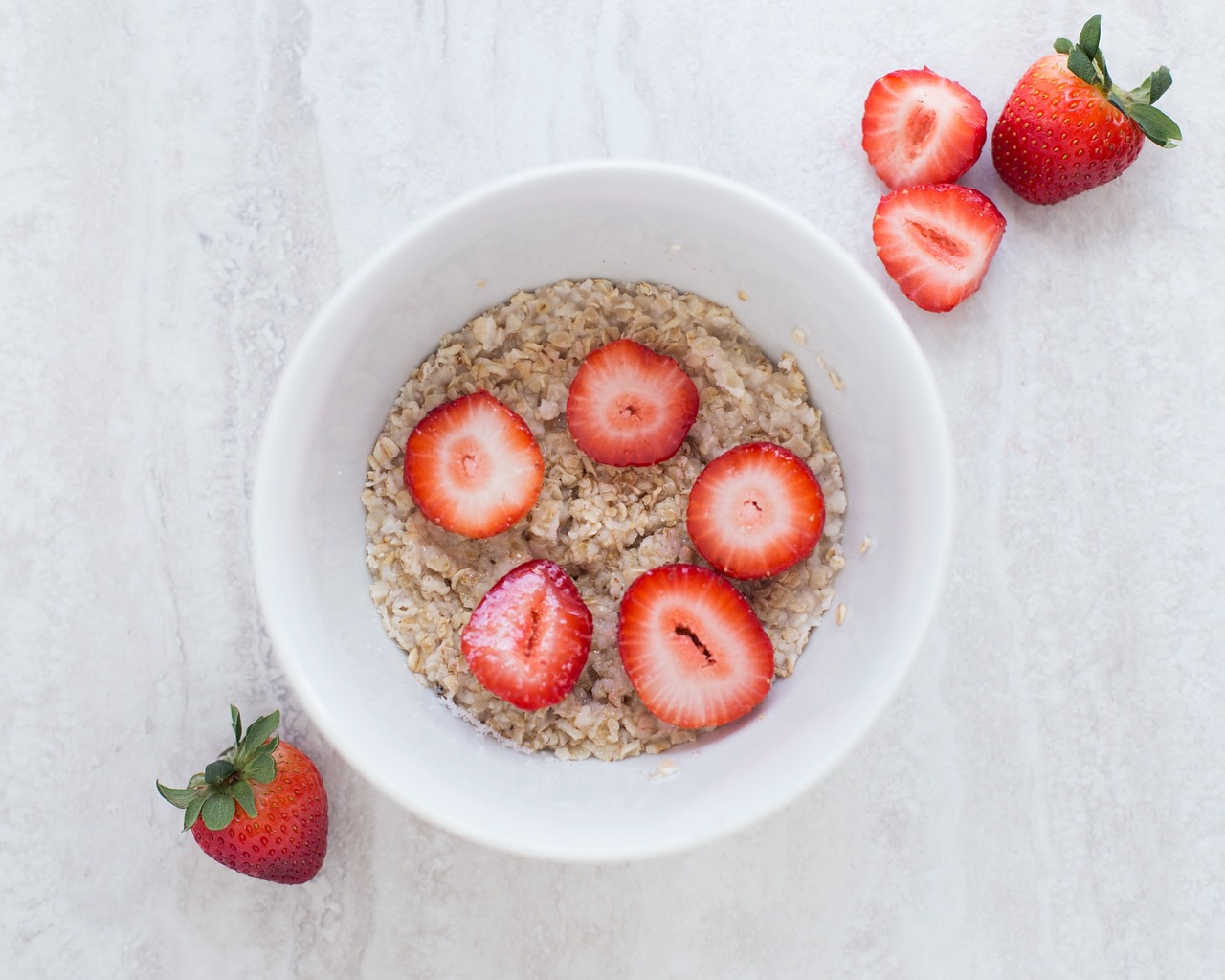
Instead of traditional oatmeal made solely from rolled oats, consider blending in protein powder or replacing half the oats with quinoa flakes. This simple modification can increase your protein intake from 5 grams to over 20 grams per serving. Greek yogurt can replace regular yogurt, tripling your protein while maintaining that creamy texture you love.
Cereal Swaps That Actually Satisfy
Commercial breakfast cereals often contain more sugar than substance. Swap out corn flakes or wheat-based cereals for high-protein alternatives like grain-free granola made with nuts and seeds, or try cereal made from chickpea flour or lentils. These protein-packed options provide 10-15 grams of protein per serving compared to the measly 2-3 grams in traditional cereals.
Another game-changing breakfast swap involves replacing pancake mix with protein pancake alternatives. Using protein powder, cottage cheese, and eggs as your base creates fluffy pancakes with 25-30 grams of protein instead of the typical 5 grams from regular pancakes.
🍝 Pasta and Grain Alternatives That Transform Your Plate
Traditional wheat pasta contains approximately 7 grams of protein per serving, but innovative alternatives can quadruple that amount while adding fiber and essential nutrients. The pasta aisle has evolved dramatically, offering options that cater to both taste and nutrition.
Chickpea pasta, lentil pasta, and edamame pasta have emerged as superior alternatives, delivering 20-25 grams of protein per serving. These legume-based pastas maintain satisfying textures while providing complete amino acid profiles. Black bean pasta offers a striking visual presentation alongside impressive nutritional credentials.
Rice Reimagined for Maximum Nutrition
White rice provides minimal protein at roughly 4 grams per cup. Cauliflower rice has become popular but offers even less protein. The superior swap? Quinoa delivers 8 grams of protein per cup with all nine essential amino acids, making it a complete protein source rare among plant foods.
For those seeking even higher protein content, consider rice alternatives made from lentils or beans. These provide 12-15 grams of protein per serving while maintaining familiar textures that work in stir-fries, burrito bowls, and side dishes.
🥛 Dairy and Milk Alternatives: Liquid Protein Upgrades
The beverage section of your pantry holds tremendous potential for protein enhancement. Traditional dairy milk contains 8 grams of protein per cup, but strategic swaps can increase this significantly.
Fairlife ultra-filtered milk offers 13 grams of protein per cup with lactose removed, making it ideal for smoothies and coffee. For plant-based options, pea protein milk delivers 8-10 grams per serving compared to almond milk’s single gram. Soy milk remains the plant-based champion at 7-9 grams per cup.
Yogurt Choices That Matter
Regular yogurt contains about 5-7 grams of protein per serving, but Greek yogurt provides 15-20 grams in the same portion. Skyr, an Icelandic yogurt, pushes this even higher with up to 25 grams per container. These substitutions work seamlessly in parfaits, smoothies, baking, and as sour cream replacements.
Cottage cheese deserves special mention as an underutilized protein powerhouse. At 25-30 grams of protein per cup, it can replace ricotta in lasagna, cream cheese in dips, or yogurt in breakfast bowls. Modern cottage cheese comes in various textures, eliminating the texture concerns that previously deterred consumers.
🍞 Bread and Baking Ingredient Transformations
Traditional bread offers minimal protein, typically 3-5 grams per two slices. High-protein bread alternatives using added wheat protein, seeds, and sprouted grains can provide 8-12 grams per serving. Some brands incorporate whey or plant proteins to reach even higher levels.
For home bakers, flour swaps create opportunities for protein enhancement. Replacing all-purpose flour with protein powder in recipes (up to 25% substitution) works well for pancakes, muffins, and cookies. Almond flour provides more protein than wheat flour while adding healthy fats and a subtle nutty flavor.
Protein-Packed Flour Alternatives
Chickpea flour contains 20 grams of protein per cup compared to all-purpose flour’s 13 grams. It works beautifully in flatbreads, socca, and as a binder in veggie burgers. Coconut flour, while lower in protein, allows for higher protein additions elsewhere in recipes due to its absorbent nature requiring more eggs.
Cricket flour might sound unconventional, but this sustainable option packs 60 grams of protein per cup with all essential amino acids. It works well in baked goods when combined with traditional flours, adding a mild, nutty flavor that most people cannot identify.
🥜 Snack Staple Upgrades for Sustained Energy
The snack category presents perhaps the easiest opportunity for protein upgrades. Chips, crackers, and traditional snack foods typically offer little nutritional value beyond calories and sodium. Modern alternatives change this equation entirely.
Replace potato chips with roasted chickpeas, edamame, or protein chips made from whey or plant proteins. These alternatives provide 10-15 grams of protein per serving while satisfying that crunch craving. Nuts have always been protein-rich, but pairing them with seeds creates amino acid synergy and textural variety.
Nut Butter Evolution
While peanut butter offers respectable protein at 7-8 grams per serving, powdered peanut butter concentrates this to 8 grams with 85% less fat. This makes it ideal for smoothies, oatmeal, and baking where you want peanut flavor without excessive calories. Mixing regular nut butter with protein powder creates a spread that delivers 15-20 grams of protein per serving.
Seed butters from pumpkin, sunflower, or hemp provide alternative options for those with nut allergies while maintaining solid protein content. Hemp hearts sprinkled on virtually anything add 10 grams of protein per three tablespoons with omega-3 fatty acids.
🍖 Meat and Protein Alternatives: Quality Over Quantity
Even within protein sources, strategic swaps optimize amino acid profiles and bioavailability. Ground beef can be extended or partially replaced with lentils, maintaining texture while adding fiber and reducing saturated fat. A 50-50 blend provides 20+ grams of protein per serving with improved nutritional balance.
Chicken breast remains the gold standard for lean protein at 30 grams per serving, but alternative cuts and preparations matter. Canned fish like salmon and sardines provide equivalent protein with omega-3 benefits. Rotisserie chicken offers convenience without sacrificing protein quality.
Plant-Based Protein Superstars
Tofu, tempeh, and seitan form the trinity of plant-based protein substitutes. Tempeh leads with 20 grams per serving alongside probiotics from fermentation. Seitan provides 25 grams of wheat protein per serving with a meaty texture that satisfies even committed carnivores. Extra-firm tofu delivers 20 grams per serving while absorbing flavors beautifully.
Textured vegetable protein (TVP) made from soy offers a ground meat substitute with 12 grams of protein per quarter cup dry. It rehydrates quickly and works in tacos, chili, and bolognese sauce. Jackfruit provides texture but minimal protein, so combining it with beans or lentils creates balanced plant-based meals.
🥗 Condiments and Flavor Enhancers with Protein Punch
Often overlooked, condiments and flavor additions present micro-opportunities for protein enhancement throughout the day. Nutritional yeast adds a cheesy, umami flavor while providing 8 grams of protein per quarter cup along with B vitamins.
Replace mayonnaise with Greek yogurt in dips, dressings, and spreads for a protein boost from 0 grams to 15 grams per serving. Hummus made from chickpeas provides 4-6 grams of protein per serving compared to cream cheese’s 2 grams, making it superior for sandwiches and snacking.
Sauce Secrets for Extra Protein
Tomato sauce can be enhanced by blending in white beans or silken tofu, adding protein without altering flavor significantly. Pesto becomes more substantial when you add hemp hearts or replace some olive oil with Greek yogurt. These modifications turn simple sauces into protein delivery systems.
Bone broth deserves special mention as a cooking liquid replacement. With 10 grams of protein per cup compared to regular broth’s 1-2 grams, using it for rice, quinoa, or soups multiplies protein content effortlessly. Collagen peptides dissolve invisibly in coffee, tea, or smoothies, adding 10-20 grams of protein per serving.
📊 Strategic Meal Building with High-Protein Swaps
Understanding individual swaps is valuable, but strategic meal construction multiplies their impact. A typical breakfast of cereal with milk and juice might provide 8 grams of protein. Swapping to protein cereal with Greek yogurt and a protein smoothie delivers 45+ grams instead.
Lunch traditionally centers around sandwiches with 15-20 grams of protein. Using high-protein bread, adding hummus instead of mayo, including extra lean meat or tempeh, and pairing with cottage cheese instead of chips elevates this to 50+ grams. These cumulative swaps transform nutritional outcomes without requiring culinary expertise.
Dinner Optimization Strategies
Evening meals typically provide the most protein but still benefit from strategic swaps. Replacing half the rice with quinoa, using lentil pasta, or incorporating legumes into meat dishes boosts protein while adding fiber and micronutrients. A standard dinner might provide 30 grams of protein; optimized versions easily reach 50-60 grams.
Desserts rarely contribute protein, but swaps change this paradigm. Protein ice cream, Greek yogurt-based treats, and baked goods using protein powder transform indulgences into opportunities. A protein brownie can deliver 15-20 grams while satisfying sweet cravings.
💪 Practical Implementation for Lasting Change
The most effective approach involves gradual implementation rather than complete pantry purging. Start with one meal category, master those swaps, then expand. Begin with breakfast since morning protein intake correlates strongly with reduced cravings and improved body composition.
Stock your pantry systematically, replacing items as they run out rather than discarding perfectly good food. This approach reduces waste while building new habits. Keep a variety of protein sources available to prevent boredom and ensure nutritional diversity.
Budget-Friendly Protein Swaps
High-protein eating needn’t strain budgets. Dried legumes, canned fish, eggs, and Greek yogurt provide exceptional protein per dollar. Buying protein powder in bulk reduces per-serving costs significantly. Seasonal produce paired with affordable protein sources creates nutritious, economical meals.
Generic brands of Greek yogurt, cottage cheese, and canned beans offer identical nutrition to name brands at lower prices. Buying whole chickens and breaking them down yourself, purchasing meat on sale and freezing, and choosing less popular fish varieties stretches protein budgets further.
🌟 Beyond the Numbers: Quality and Absorption
Protein quantity matters, but quality and absorption determine actual benefits. Complete proteins containing all essential amino acids come primarily from animal sources and select plant foods like quinoa and soy. Combining incomplete proteins throughout the day ensures adequate amino acid intake.
Digestibility varies among protein sources. Whey protein absorbs rapidly, making it ideal post-workout. Casein digests slowly, perfect for overnight muscle recovery. Plant proteins often require combining sources for optimal amino acid profiles, though this happens naturally in varied diets.
Timing and Distribution Throughout the Day
Research suggests distributing protein intake across meals optimizes muscle protein synthesis better than consuming most at dinner. Aim for 25-40 grams per meal rather than 10 grams at breakfast and 60 at dinner. These swaps facilitate better distribution by making protein-rich options convenient at every meal.
Pre-sleep protein intake supports overnight recovery and muscle building. A serving of cottage cheese, casein protein shake, or Greek yogurt before bed provides sustained amino acid delivery during sleep’s crucial recovery period.
🎯 Personalizing Your Protein Strategy
Individual protein needs vary based on activity level, age, health status, and goals. Athletes require more protein than sedentary individuals. Older adults benefit from higher protein intake to combat age-related muscle loss. Those managing weight find protein’s satiety effects valuable for appetite control.
Food preferences, dietary restrictions, and cultural considerations influence which swaps work best. Someone avoiding gluten naturally gravitates toward chickpea pasta and quinoa. Plant-based eaters rely on legumes, tofu, and tempeh. Finding swaps that align with your preferences ensures sustainable implementation.
These high-protein swaps transform everyday eating from a series of arbitrary choices into strategic nutrition that supports your health goals. The beauty lies in their simplicity—small changes compounding into significant results. You don’t need specialty stores or expensive ingredients; many swaps use readily available foods you’ve simply overlooked.
Start implementing one or two swaps this week. Notice how they affect your energy, satiety, and overall well-being. Build gradually, experimenting with different options until you’ve created a personalized approach that feels effortless. Your transformed pantry becomes the foundation for consistently nourishing, protein-rich meals that support whatever goals you’re pursuing. 💪