Transforming your favorite dishes doesn’t mean giving up on taste. Smart sauce substitutions can dramatically reduce sugar and fat content while keeping meals delicious and satisfying.

Modern cooking has evolved beyond the notion that healthier options must be bland or boring. With the right sauce swaps, you can create restaurant-quality meals at home that align with your wellness goals without compromising the flavors you love. Whether you’re managing dietary restrictions, trying to lose weight, or simply pursuing a healthier lifestyle, understanding how to replace heavy, sugar-laden sauces with lighter alternatives is a game-changing kitchen skill.
🍯 Why Traditional Sauces Pack Hidden Calories
Most commercial sauces contain shocking amounts of added sugars and unhealthy fats. A single serving of barbecue sauce can contain up to 16 grams of sugar—equivalent to four teaspoons. Creamy dressings often derive more than 80% of their calories from fat, with many using low-quality oils that contribute to inflammation.
These hidden ingredients accumulate quickly throughout your day. A seemingly healthy grilled chicken salad becomes a caloric bomb when drowning in sugary dressing. Stir-fries lose their nutritional advantage when coated in sauce containing corn syrup and hydrogenated oils. Recognizing these hidden sources is the first step toward making smarter choices.
Understanding Flavor Foundations 🎯
Before diving into specific swaps, it’s essential to understand what makes sauces appealing. Most successful sauces balance five fundamental taste profiles: sweet, salty, sour, bitter, and umami. When reducing sugar and fat, you need to compensate by enhancing other flavor dimensions.
Umami—that savory, meaty depth—becomes your secret weapon. Ingredients rich in natural glutamates like tomatoes, mushrooms, nutritional yeast, and fermented products can create satisfying richness without excess calories. Acidity from citrus or vinegar brightens dishes and reduces the need for salt. Strategic spice use adds complexity that makes lighter sauces taste indulgent.
The Role of Texture in Satisfaction
Mouthfeel matters tremendously in sauce perception. Full-fat versions coat the palate luxuriously, triggering satisfaction signals. Lighter alternatives must replicate this texture to feel complete. Techniques like blending roasted vegetables, using Greek yogurt, or incorporating small amounts of nut butters can provide creaminess with better nutritional profiles.
Smart Swaps for Common Sauce Categories 🔄
Creamy Sauce Alternatives
Traditional cream-based sauces rely on heavy cream, butter, and cheese for their luxurious texture. These alternatives deliver similar satisfaction with a fraction of the fat:
Cauliflower Cream Sauce: Steamed cauliflower blended with vegetable broth, garlic, and nutritional yeast creates an incredibly creamy base. This swap works beautifully in pasta dishes, over vegetables, or as a pizza sauce. One cup contains approximately 60 calories compared to 400+ calories in traditional alfredo sauce.
Cashew Cream: Soaked raw cashews blended until silky smooth provide healthy fats along with protein. Unlike heavy cream, cashews offer minerals like magnesium and zinc. Mix with lemon juice, garlic, and herbs for a versatile sauce that works in both savory and slightly sweet applications.
Greek Yogurt Base: Plain nonfat Greek yogurt delivers tangy creaminess with protein benefits. It works exceptionally well in cold sauces and dips. For warm applications, temper it carefully by mixing with a bit of hot liquid first to prevent curdling. Add cucumber, dill, and garlic for a tzatziki-style sauce, or blend with roasted red peppers for a vibrant pink cream.
Tomato-Based Sauce Upgrades
Commercial tomato sauces frequently contain added sugars to balance acidity. Making your own allows complete control over sweetness levels while boosting nutritional content.
Fresh Tomato and Roasted Pepper: Blend fresh tomatoes with roasted red bell peppers for natural sweetness without added sugar. The peppers’ caramelized flavors provide depth that makes the sauce taste slow-cooked in minutes. Add fresh basil, oregano, and a touch of balsamic vinegar for complexity.
Sun-Dried Tomato Paste: Rehydrated sun-dried tomatoes (oil-free variety) blended into a paste deliver concentrated tomato flavor with inherent sweetness. Mix with fresh tomatoes to create a sauce that tastes rich and cooked-down without hours of simmering or added sugar.
Asian-Inspired Sauce Substitutions 🥢
Traditional Asian sauces often balance sweet and salty in ways that create sugar bombs. These alternatives maintain authentic flavor profiles while cutting unnecessary additions.
Coconut Aminos Instead of Teriyaki: Coconut aminos provide the salty-sweet profile of soy sauce with 73% less sodium. Create a teriyaki-style sauce by combining coconut aminos with fresh ginger, garlic, a small amount of rice vinegar, and a touch of honey or date paste—controlling sweetness to your preference.
Peanut Sauce with PB2: Powdered peanut butter mixed with water, lime juice, sriracha, and a small amount of maple syrup creates a Thai-style peanut sauce with 85% less fat than traditional versions. The protein content remains high while calories drop dramatically.
Miso-Tahini Blend: Equal parts white miso and tahini thinned with water and flavored with rice vinegar and ginger creates an umami-rich sauce perfect for grain bowls, roasted vegetables, or as a noodle coating. This combination provides beneficial probiotics from the miso along with healthy fats from sesame.
Barbecue and Grilling Sauce Makeovers 🍖
Barbecue sauce ranks among the worst offenders for hidden sugar, with some brands containing more sugar per serving than chocolate syrup. Homemade versions allow you to control sweetness while intensifying smoky, tangy elements.
Tomato-Date BBQ Sauce: Blend tomato paste with soaked dates, apple cider vinegar, smoked paprika, garlic powder, and a touch of liquid smoke. The dates provide natural sweetness and fiber, creating a thick, clingy sauce with less than half the sugar of bottled versions.
Mustard-Based Carolina Style: Yellow mustard combined with apple cider vinegar, a small amount of honey, cayenne pepper, and black pepper creates a tangy sauce that needs minimal sweetener. This style highlights meat flavors rather than masking them with sugar.
Chimichurri Alternative: For grilled meats, skip sweet sauces entirely and opt for herbaceous chimichurri. Fresh parsley, cilantro, oregano, garlic, red wine vinegar, and a small amount of olive oil create a vibrant sauce with virtually no sugar and healthy fat from herbs.
Salad Dressing Transformations 🥗
Bottled dressings often contain high fructose corn syrup, inflammatory oils, and preservatives. Making dressings takes minutes and allows fresh flavors to shine through.
Citrus-Herb Vinaigrette: Fresh lemon or lime juice whisked with a small amount of extra virgin olive oil, Dijon mustard, minced shallot, and fresh herbs creates a bright dressing where acid takes center stage. The 3:1 acid-to-oil ratio (opposite of traditional vinaigrettes) dramatically reduces fat while increasing flavor.
Avocado-Lime Dressing: A quarter of an avocado blended with lime juice, cilantro, and water creates a creamy dressing with beneficial monounsaturated fats. Unlike mayo-based dressings, this provides fiber, vitamins, and satisfaction with better nutritional value.
Tahini-Lemon Base: Tahini thinned with lemon juice and water (it will seize up initially then smooth out) creates a creamy, nutty dressing perfect for grain bowls and roasted vegetable salads. Add garlic, cumin, and a pinch of cayenne for a Middle Eastern profile.
Dessert Sauce Alternatives That Satisfy 🍰
Sweet sauces don’t need refined sugar or heavy cream to deliver satisfaction. These alternatives provide sweetness with better nutritional profiles.
Date Caramel: Medjool dates blended with almond milk, vanilla extract, and a pinch of salt create a thick, caramel-like sauce. The fiber in dates slows sugar absorption while providing minerals like potassium and magnesium.
Coconut Whipped Cream: Refrigerated coconut cream (the solid part from a can of full-fat coconut milk) whips into peaks similar to dairy cream. Sweeten with a touch of maple syrup and vanilla. While coconut contains saturated fat, it’s medium-chain triglycerides that metabolize differently than dairy fat.
Berry Compote: Fresh or frozen berries simmered with a splash of water and a small amount of honey or maple syrup create a naturally sweet sauce. Berries’ high fiber content and antioxidants make this a nutritionally superior choice over chocolate or caramel sauces.
Practical Implementation Strategies 💡
Batch Preparation for Success
The key to maintaining healthier sauce habits is convenience. Dedicate one hour weekly to preparing three or four sauce bases. Store them in glass jars in the refrigerator where they’ll keep for five to seven days. Having these ready eliminates the temptation to reach for bottled options during busy weeknights.
Freezer-Friendly Options: Tomato-based sauces, pesto variations, and blended vegetable sauces freeze beautifully in ice cube trays. Once frozen, transfer cubes to freezer bags. This allows you to thaw exactly what you need for single servings without waste.
Gradual Palate Adjustment
If you’ve been consuming high-sugar, high-fat sauces for years, your palate may need time to adjust. Start by mixing traditional versions with healthier swaps in a 50-50 ratio. Gradually increase the proportion of the lighter version over several weeks. This approach prevents the shock of sudden change and allows taste preferences to evolve naturally.
Enhancing Through Technique
Cooking methods intensify flavors in ways that reduce dependence on sugar and fat. Roasting vegetables before blending them into sauces caramelizes natural sugars and deepens flavor. Toasting spices in a dry pan awakens aromatic oils. Reducing sauces by simmering concentrates flavors, creating richness without cream.
Measuring Success Beyond the Scale ⚖️
The benefits of sauce swapping extend far beyond calorie reduction. Many people report increased energy levels when reducing sugar intake, as blood glucose remains more stable throughout the day. Decreased consumption of inflammatory oils often correlates with reduced joint pain and improved skin clarity.
Digestive improvements are common when switching to sauces made from whole food ingredients. The fiber in vegetable-based sauces, nuts, and seeds supports gut health in ways processed sauces cannot. Probiotic-rich ingredients like miso contribute beneficial bacteria that support immune function and nutrient absorption.
Building Your Sauce Pantry 🏺
Stocking specific ingredients makes healthy sauce creation effortless. These staples cover most sauce categories and stay fresh for extended periods:
- Acids: Apple cider vinegar, rice vinegar, balsamic vinegar, fresh lemons and limes
- Umami boosters: White and red miso paste, nutritional yeast, tomato paste, coconut aminos
- Healthy fats: Tahini, raw cashews, extra virgin olive oil, avocados
- Natural sweeteners: Medjool dates, raw honey, pure maple syrup (used sparingly)
- Aromatics: Fresh garlic, ginger root, shallots, fresh herbs
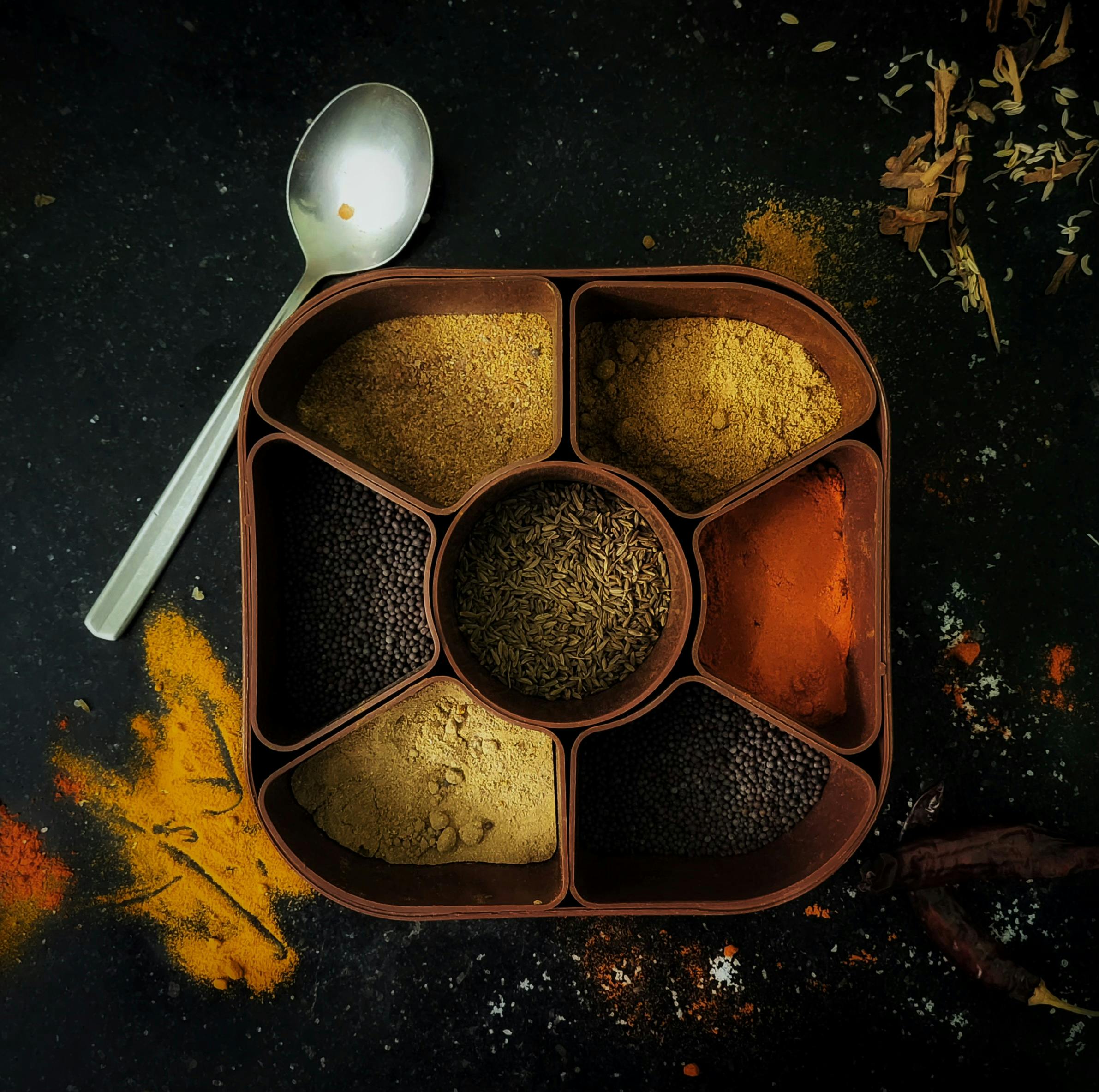
- Spices: Smoked paprika, cumin, cayenne, quality curry powder, dried oregano and basil
- Bases: Plain Greek yogurt, canned coconut milk, vegetable broth, canned tomatoes
Restaurant Dining Adaptations 🍽️
Your sauce-swapping knowledge translates to dining out. Request dressings and sauces on the side, allowing you to control portions. Ask for dishes to be prepared with minimal oil or sauce, then add your own flavor through provided lemon wedges, hot sauce, or vinegar. Many restaurants now accommodate requests for substitutions—grilled proteins with chimichurri instead of cream sauce, for example.
When ordering Asian cuisine, request sauces prepared with less sugar or choose naturally lighter options like steamed dishes with ginger-scallion sauce. At Italian restaurants, choose tomato-based sauces over cream-based, and ask if they can lighten the oil content.

The Flavor Evolution Journey 🌱
Transforming your relationship with sauces is a journey rather than a destination. Each swap teaches you more about flavor building and what satisfies your particular palate. You’ll discover that fresh herb intensity can replace the need for heavy cream, or that acid brightens dishes in ways sugar never could.
Over time, returning to old favorites often brings surprise at how cloying they now taste. Your palate recalibrates to appreciate subtlety and complexity. Foods’ natural flavors emerge from beneath heavy sauce blankets. This evolution represents true food freedom—enjoying maximum flavor while nourishing your body optimally.
The beauty of sauce swapping lies in its accessibility. You don’t need specialty equipment or obscure ingredients. A basic blender, fresh produce, and pantry staples create endless possibilities. Each meal becomes an opportunity to practice these skills, building confidence and expanding your healthy cooking repertoire.
Start with one or two swaps that appeal most to your current eating patterns. Master those, then gradually incorporate others. Before long, creating flavorful, lighter sauces becomes second nature—a permanent kitchen skill that serves your health and happiness for years to come. Your taste buds will thank you, your body will function better, and your meals will remain just as delicious as ever. 🎉