Blind tasting transforms an ordinary wine evening into an extraordinary sensory adventure, sharpening your palate while revealing the true essence of what’s in your glass.

Whether you’re a curious beginner or an enthusiastic wine lover, mastering blind tasting at home offers an engaging way to deepen your understanding of wine without pretension or intimidation. This comprehensive guide will walk you through everything you need to know to host successful blind tasting sessions that educate, entertain, and elevate your wine appreciation to remarkable new heights.
🍷 Why Blind Tasting Revolutionizes Your Wine Journey
Blind tasting removes all preconceptions about price, region, and reputation, forcing you to rely solely on your senses. This practice strips away the psychological influences that labels, brand recognition, and price tags exert on our perception, allowing your palate to speak truthfully about what it experiences.
When you taste without knowing what’s in the glass, you develop objective evaluation skills that professional sommeliers spend years refining. You’ll discover surprising truths about your preferences, often finding that expensive bottles don’t always outperform modest ones, and that your palate has unique sensitivities you never knew existed.
The educational value extends beyond personal enjoyment. Blind tasting trains your sensory memory, creating mental catalogs of aromas, flavors, and textures that you can recall and compare. This skill transfers to all aspects of wine appreciation, making every future tasting more informed and meaningful.
Setting Up Your Home Blind Tasting Experience
Creating the perfect environment for blind tasting doesn’t require a professional wine cellar or expensive equipment. Start with a neutral space free from strong odors like cooking smells, perfumes, or air fresheners that might interfere with the wine’s aromatic profile.
Good lighting is essential for evaluating color and clarity. Natural daylight works best, but if you’re tasting in the evening, use bright white lights that don’t distort the wine’s true hues. Avoid colored lighting or dim romantic settings that make visual assessment impossible.
Essential Equipment for Successful Blind Tastings
You’ll need proper stemware—standard wine glasses with clear bowls that allow you to observe color and swirl effectively. While varietal-specific glasses enhance certain wines, universal glasses work perfectly for blind tasting sessions where versatility matters most.
Invest in wine bags, foil wraps, or brown paper bags to conceal bottle identities. Number each concealed bottle to track which wine corresponds to your tasting notes. Keep a separate record of the reveal order in a sealed envelope to maintain suspense.
Provide palate cleansers like plain crackers or unsalted bread, along with water for rinsing between samples. Avoid strongly flavored foods that might interfere with taste perception during the evaluation process.
Structuring Your Blind Tasting Session
The classic blind tasting format involves four to six wines presented simultaneously or sequentially. This number prevents palate fatigue while offering enough variety for meaningful comparisons and learning opportunities.
Choose a theme to give your tasting focus and educational structure. You might compare the same grape variety from different regions, examine wines from a single region across different vintages, or contrast price points within the same category.
Thematic Approaches That Maximize Learning
A regional comparison might feature three Pinot Noirs from Burgundy, Oregon, and New Zealand, highlighting how terroir influences the same grape. This approach teaches you to identify regional signatures and climate impacts on wine character.
Vintage variation tastings use the same wine from different years, revealing how weather conditions affect flavor profiles. This advanced technique deepens understanding of how wines evolve and which vintages excel under specific conditions.
Price point challenges pit expensive bottles against budget-friendly options from the same category, often producing surprising results that question whether premium prices always deliver proportional quality improvements.
The Systematic Tasting Methodology 👁️
Professional tasters follow a structured approach that examines wines through three distinct phases: visual analysis, aromatic evaluation, and taste assessment. This systematic method ensures you don’t overlook important characteristics while building a comprehensive flavor profile.
Visual Examination Techniques
Hold your glass against a white background at a 45-degree angle, observing the wine’s color intensity, hue, and clarity. White wines range from pale straw to deep gold, with color intensity often indicating age, oak treatment, or grape ripeness at harvest.
Red wines display colors from pale ruby to opaque purple-black, with rim variation revealing age. Young reds show vibrant purple edges, while mature wines develop brick-orange or tawny rims that signal oxidative development over time.
Check for clarity and brightness. Quality wines should appear brilliant rather than hazy, though unfiltered natural wines may show slight cloudiness without indicating faults. Look for legs or tears running down the glass after swirling—these glycerol streaks suggest higher alcohol or residual sugar content.
Aromatic Analysis and Nose Development
Begin with a gentle sniff before swirling to capture the most volatile aromatic compounds that dissipate quickly. These delicate first impressions often reveal subtle floral or mineral notes that disappear after agitation releases more intense aromas.
Swirl vigorously to oxygenate the wine, then immediately bring the glass to your nose and inhale deeply. Your first impression captures the aromatic intensity and primary fruit character before your olfactory receptors adapt and become less sensitive.
Take multiple sniffs, searching for specific aroma categories: fruits, flowers, herbs, spices, earth, minerals, oak influences, and any off-odors. Build a mental or written inventory of everything your nose detects, from obvious to subtle.
Taste Evaluation Framework
Take a generous sip that coats your entire palate, drawing air through the wine to volatilize flavors across your taste buds. Assess the attack (initial impression), mid-palate development, and finish length after swallowing.
Evaluate structural components systematically: sweetness level, acidity (does it make your mouth water?), tannin quality (does it dry your gums?), alcohol warmth, body weight, and flavor intensity. These elements form the wine’s architecture and reveal its origin clues.
Consider how flavors evolve from entry through the finish. Do fruit characteristics dominate, or do savory, mineral, or oak elements take center stage? Does the wine finish clean and refreshing, or does it leave lingering bitterness or sweetness?
Developing Your Sensory Vocabulary 📝
Building a precise tasting vocabulary transforms vague impressions into specific, communicable observations. Instead of saying a wine tastes “fruity,” identify whether you detect citrus, stone fruit, red berries, black fruit, or tropical characteristics.
Common white wine descriptors include green apple, lemon, peach, pear, honeysuckle, jasmine, wet stone, chalk, butter, vanilla, and toast. These specific terms paint clearer pictures than generic adjectives like “pleasant” or “nice.”
Red wine vocabulary encompasses black cherry, raspberry, plum, blackberry, tobacco, leather, earth, mushroom, cedar, chocolate, coffee, and smoke. The more precise your language, the better you can remember wines and communicate preferences to others.
Making Educated Guesses About Identity
After thorough evaluation, use your observations to deduce the wine’s probable identity. Start broad with basic questions: Is it Old World or New World? What’s the climate indication? Which grape variety shows these characteristics?
Climate clues appear throughout the wine. Higher acidity and lower alcohol suggest cool climates, while ripe fruit, higher alcohol, and fuller body indicate warm regions. Earthy, mineral, or herbal notes often signal Old World origins, whereas fruit-forward profiles suggest New World production.
Specific aromatic and flavor signatures point toward particular varieties. Gooseberry and bell pepper suggest Sauvignon Blanc, while lychee and rose petal indicate Gewürztraminer. Black pepper spice points to Syrah, and violet florals suggest Malbec or Nebbiolo.
Regional Markers and Stylistic Signatures
Certain regions impose distinctive fingerprints on their wines. Chablis shows steely minerality and high acidity, Burgundy delivers elegant earthiness, and Napa Cabernet presents ripe, concentrated fruit with substantial oak influence.
Oak treatment reveals winemaking choices. American oak imparts vanilla, coconut, and sweet spice, while French oak contributes subtle toast, cedar, and baking spice notes. Neutral oak or stainless steel aging preserves pure fruit expression without woody influences.
Practice Exercises to Sharpen Your Palate 🎯
Regular, focused practice accelerates skill development more than occasional casual tastings. Dedicate time weekly to deliberate tasting sessions where you consciously analyze rather than simply enjoying wine with dinner.
Start with side-by-side comparisons of contrasting styles: crisp Sauvignon Blanc versus rich Chardonnay, or light Pinot Noir against bold Cabernet Sauvignon. These dramatic differences train your palate to recognize structural and flavor distinctions clearly.
Progress to subtle variations within the same category. Compare three Chardonnays with different oak treatments, or taste Cabernet Sauvignons from various price points. These nuanced exercises develop the discrimination skills that separate casual drinkers from true connoisseurs.
Sensory Training Beyond Wine
Expand your aromatic library by actively smelling everyday items. Visit produce sections to inhale fresh fruits mentioned in tasting notes—smell actual blackberries, green apples, and white peaches to create sensory memories you’ll recognize in wine.
Create an aroma kit with small containers of vanilla extract, ground coffee, dried herbs, leather scraps, and tobacco to familiarize yourself with common wine descriptors. Regular reference sessions cement these associations in your sensory memory.
Common Pitfalls and How to Avoid Them
Beginning tasters often rush through evaluation, missing subtle characteristics that reveal important clues. Take your time with each wine, revisiting the glass multiple times as it opens and evolves with air exposure.
Avoid the confirmation bias trap where you search only for characteristics that support your initial hypothesis. Remain open to contradictory evidence that might redirect your identification toward a different conclusion entirely.
Don’t let intimidation prevent you from making guesses. Wrong answers teach more than safe silence, revealing knowledge gaps and misconceptions that focused study can address. Every mistake is a learning opportunity that strengthens future identification skills.
Hosting Engaging Group Blind Tastings 🎉
Group sessions multiply the fun factor while exposing you to different perspectives and observations you might have missed. Each participant brings unique sensory sensitivities and experiences that enrich the collective learning experience.
Keep the atmosphere light and educational rather than competitive. Blind tasting should feel like collaborative detective work, not an exam where wrong answers carry embarrassment or judgment from others.
Encourage participants to share their observations before revealing identities. Discussing different impressions of the same wine demonstrates how personal physiology and experience shape perception, validating that there’s no single “correct” way to experience wine.
Revealing Results for Maximum Impact
The reveal represents the most exciting moment of any blind tasting. Unveil wines one at a time, discussing each bottle’s actual identity, price, region, and production details after participants share their impressions and guesses.
Compare actual characteristics with participants’ observations, highlighting correct identifications while gently correcting misperceptions. This debriefing solidifies learning and helps tasters understand which clues they interpreted correctly or missed entirely.
Tracking Progress and Building Knowledge
Maintain a tasting journal documenting each wine’s appearance, aroma, taste, your identification guess, and the actual identity. Over time, this record reveals patterns in your preferences and tracks improvement in identification accuracy.
Review past notes periodically to reinforce learning and identify recurring weaknesses. If you consistently misidentify certain varieties or regions, target those gaps with focused study and practice sessions specifically addressing those deficiencies.
Digital apps can streamline note-taking and organization, making it easier to search past tastings, track favorite wines, and analyze your evolving palate preferences over months and years of dedicated practice.
Advanced Techniques for Serious Enthusiasts
As your skills develop, introduce more challenging formats like completely blind lineups without any advance information about categories, regions, or varieties included. This advanced approach mirrors professional certification exams and truly tests identification abilities.
Practice triangle tastings where two glasses contain the same wine and one differs slightly—perhaps the same wine from different vintages or similar varieties from the same region. Identifying the odd glass out sharpens discrimination abilities considerably.
Join online blind tasting communities where members share experiences, discuss techniques, and participate in virtual group tastings. These networks provide accountability, motivation, and exposure to wines and perspectives beyond your immediate circle.
Transforming Knowledge Into Everyday Enjoyment 🌟
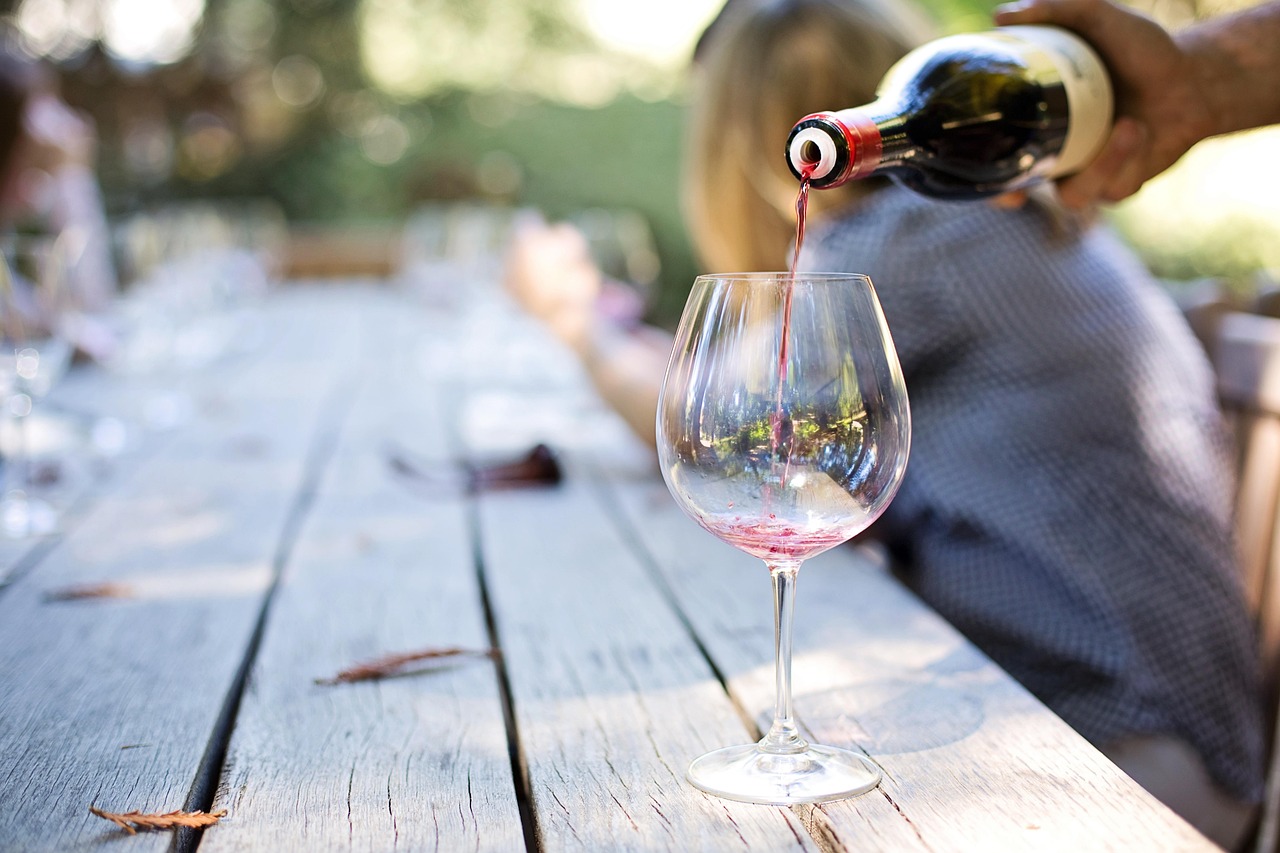
The ultimate goal of blind tasting practice isn’t just correct identification—it’s developing a sophisticated palate that enhances every wine experience. As your skills grow, casual drinking becomes more engaging because you automatically notice characteristics you previously overlooked.
You’ll make better purchasing decisions, recognizing quality indicators and value opportunities that less trained consumers miss. This knowledge helps you navigate wine lists confidently, select bottles for specific occasions appropriately, and communicate preferences clearly to wine professionals.
Most importantly, blind tasting removes intimidation from wine appreciation, replacing anxiety with curiosity and confidence. You learn to trust your palate, articulate your impressions clearly, and enjoy wine on your own terms rather than deferring to critics or price tags.
Start your blind tasting journey today with whatever wines you have available. Pour a glass, focus your attention, and begin training the remarkable sensory instrument you’ve possessed all along. With consistent practice and an open mind, you’ll discover that mastering blind tasting at home isn’t just achievable—it’s one of the most rewarding skills any wine lover can develop, transforming every bottle into an opportunity for discovery and delight.