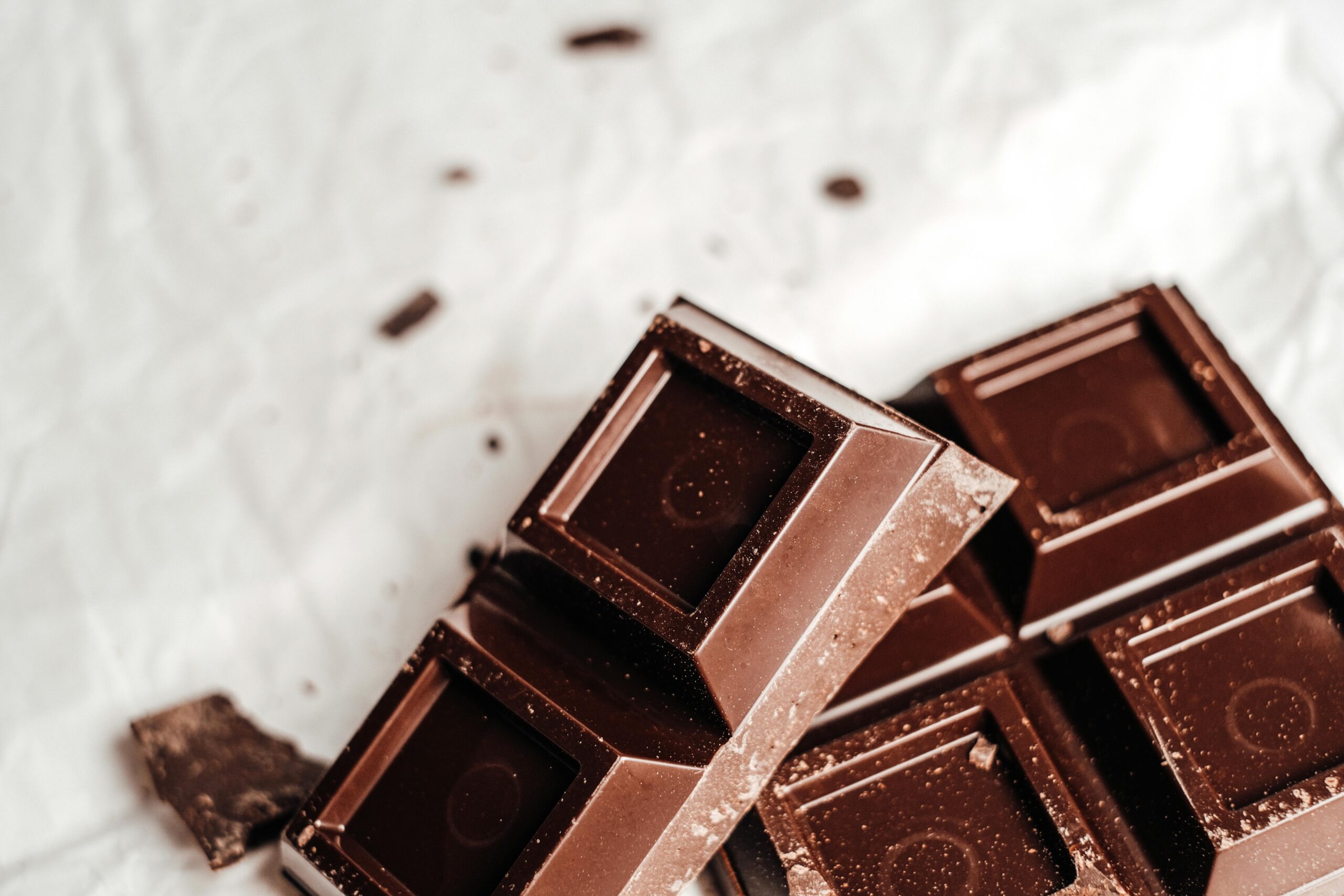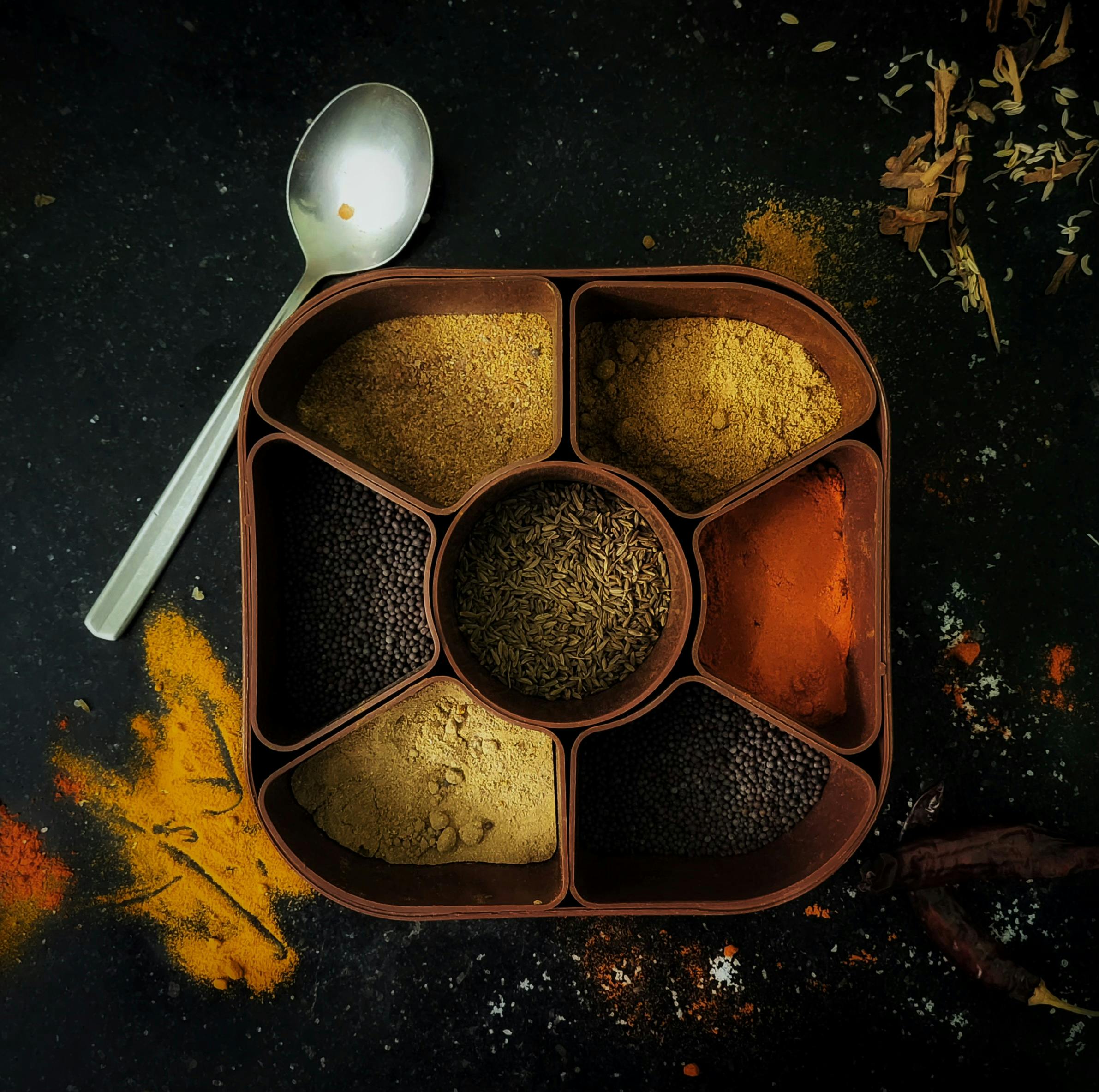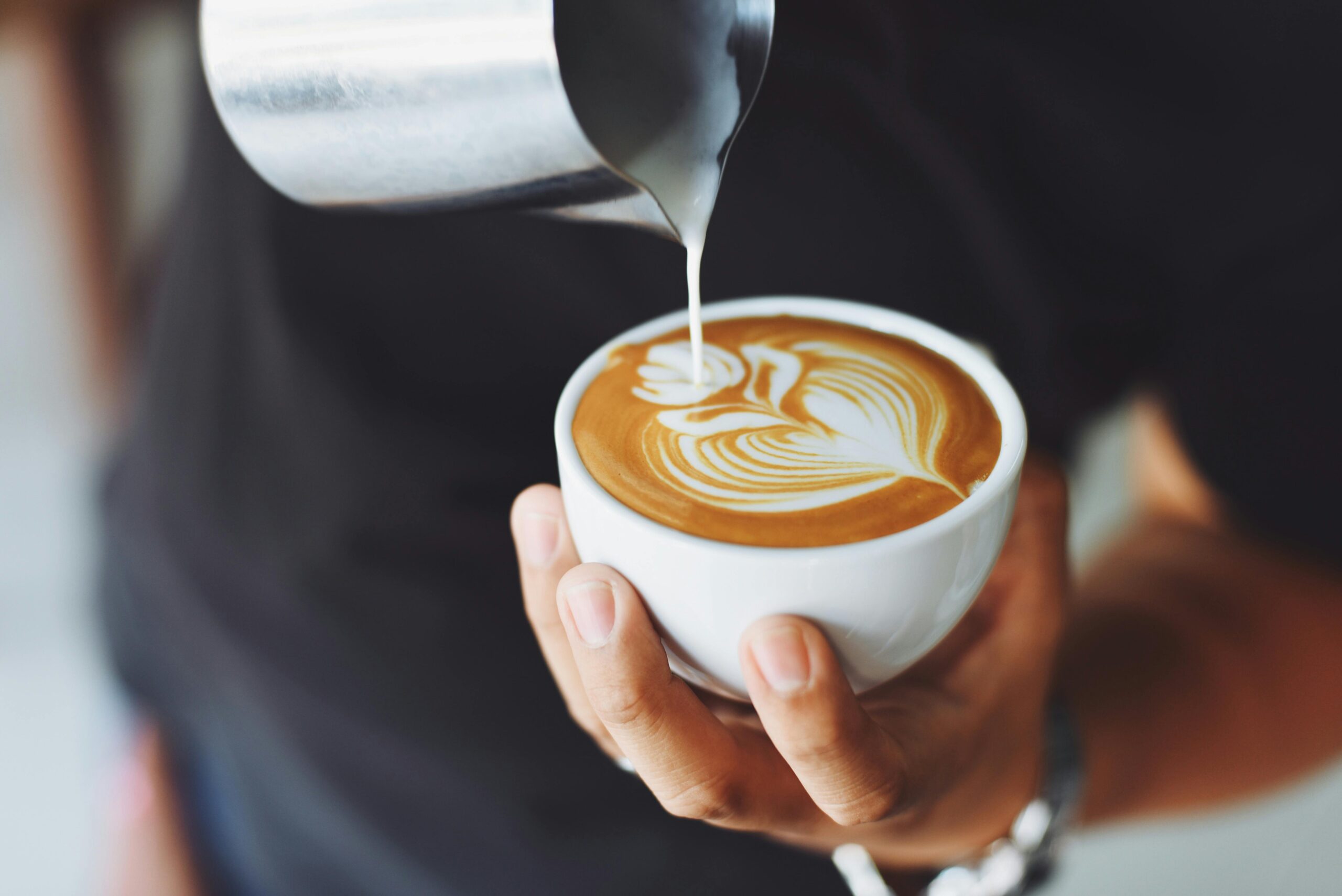
Food is more than just flavor. The way it feels in your mouth—crisp, creamy, or chewy—transforms every eating experience into something memorable and deeply satisfying.

Texture plays a silent yet powerful role in how we perceive and enjoy food. It influences our preferences, triggers memories, and even affects how much we eat. From the satisfying crunch of fresh vegetables to the luxurious smoothness of chocolate mousse, texture shapes our relationship with food in ways we often don’t consciously recognize. Understanding the world of food texture opens up new dimensions of culinary appreciation and helps explain why certain foods become our favorites while others leave us indifferent.
🎯 Why Texture Matters More Than You Think
Texture is one of the fundamental pillars of gastronomy, standing alongside taste, aroma, and visual appeal. Scientists have discovered that texture contributes up to 30% of our overall food enjoyment. When texture disappoints—think of soggy fries or grainy ice cream—even the most perfectly seasoned dish can fail to satisfy.
Our mouths are incredibly sensitive instruments equipped with thousands of nerve endings that detect pressure, temperature, and movement. These receptors send constant signals to our brain, creating a complete sensory profile of everything we eat. This tactile feedback happens simultaneously with taste and smell, creating the complete eating experience we call flavor.
Food scientists and chefs alike have long understood that texture can make or break a dish. The contrasts and harmonies between different textures in a single meal create complexity and interest. A perfectly composed dish often features multiple textures working together—the crunch of toasted nuts against smooth cream, or the tender bite of protein paired with crispy vegetables.
🥖 The Wonderful World of Crisp and Crunchy
Crispness represents one of the most universally beloved textures in food. The sound and sensation of biting into something crisp triggers pleasure responses in our brains. Fresh apples, potato chips, crackers, and toasted bread all deliver that satisfying snap that keeps us reaching for more.
The science behind crispness involves the fracture of cellular structures in food. When you bite into a crisp food, you’re literally breaking thousands of tiny cells, which creates both the sound and sensation we associate with freshness. This is why crisp foods often taste fresher—in many cases, they actually are.
Creating and Maintaining Crispness
Achieving perfect crispness requires controlling moisture content and temperature. Professional kitchens use various techniques to maximize crispiness:
- Double frying method for ultimate crunch in fried foods
- Proper drying before cooking to remove surface moisture
- High-heat cooking methods that rapidly evaporate water
- Strategic use of coatings and batters that protect against sogginess
- Immediate serving to prevent moisture absorption from the air
The battle against sogginess is constant in professional kitchens. Even the most perfectly crisped food will eventually succumb to humidity and lose its textural appeal. This is why freshly cooked crispy foods command such premium prices at restaurants—timing is everything.
🍦 Embracing the Luxurious Realm of Creamy Textures
Creamy textures represent comfort, indulgence, and sophistication in the culinary world. From silky sauces to velvety desserts, creaminess adds a dimension of luxury that few other textures can match. The smooth, coating sensation of creamy foods triggers pleasure centers in our brains associated with satiety and satisfaction.
Creating truly creamy textures requires understanding the science of emulsions, suspensions, and molecular interactions. Fat plays a crucial role in most creamy textures, coating our taste buds and carrying flavors throughout our mouths. This is why full-fat versions of foods often taste richer and more satisfying than their low-fat counterparts—the texture itself enhances the entire experience.
The Chemistry of Creaminess
Achieving perfect creaminess involves manipulating various ingredients and techniques. Dairy products naturally contain proteins and fats that create smooth textures when properly handled. However, plant-based alternatives can also achieve remarkable creaminess through careful formulation using nuts, seeds, and stabilizers.
Professional chefs employ numerous methods to enhance creamy textures. Emulsification blends ingredients that normally wouldn’t mix, creating stable, smooth mixtures. Temperature control prevents curdling and separation. Proper stirring techniques incorporate air while maintaining smoothness. These skills separate adequate cooking from exceptional culinary experiences.
🍬 Chewy Textures: The Satisfying Middle Ground
Chewiness offers a unique satisfaction that keeps our jaws working and our minds engaged with food. From al dente pasta to perfectly cooked steak, from gummy candies to fresh bread, chewy textures require effort and time to enjoy, which can actually enhance satisfaction and promote mindful eating.
The science of chewiness involves protein structures, starch organization, and moisture retention. Gluten in wheat products creates the characteristic chew of bread and pasta. Collagen in meat contributes to texture, breaking down during cooking to create either tender or tough results depending on technique.
Mastering the Perfect Chew
Different foods require different approaches to achieve ideal chewiness. Pasta cooked al dente maintains structural integrity while remaining pleasantly resistant to the bite. Meat requires understanding muscle fibers and connective tissue—some cuts need quick, high-heat cooking while others demand low and slow methods to achieve perfect chewiness.
Bakers manipulate gluten development to control chewiness in bread products. Kneading develops gluten strands that create structure and chew. Fermentation time affects both flavor and texture. Hydration levels in dough dramatically impact the final chewiness of baked goods.
🎨 Combining Textures for Maximum Impact
The most memorable dishes often feature carefully orchestrated textural contrasts. A salad becomes extraordinary when it includes crispy croutons, creamy dressing, tender greens, and chewy dried fruits. Each bite offers variety and interest, keeping your palate engaged throughout the meal.
Texture pairing follows certain principles that chefs use intuitively. Contrasting textures within a dish create excitement—think of a crème brûlée with its crispy caramelized top and smooth custard beneath. Complementary textures can also work beautifully together, like the layered softness of a perfectly made lasagna.
| Texture Combination | Classic Examples | Why It Works |
|---|---|---|
| Crispy + Creamy | Fried chicken with mashed potatoes | Contrasting sensations keep palate interested |
| Chewy + Crunchy | Granola with dried fruit | Varied resistance creates complex mouthfeel |
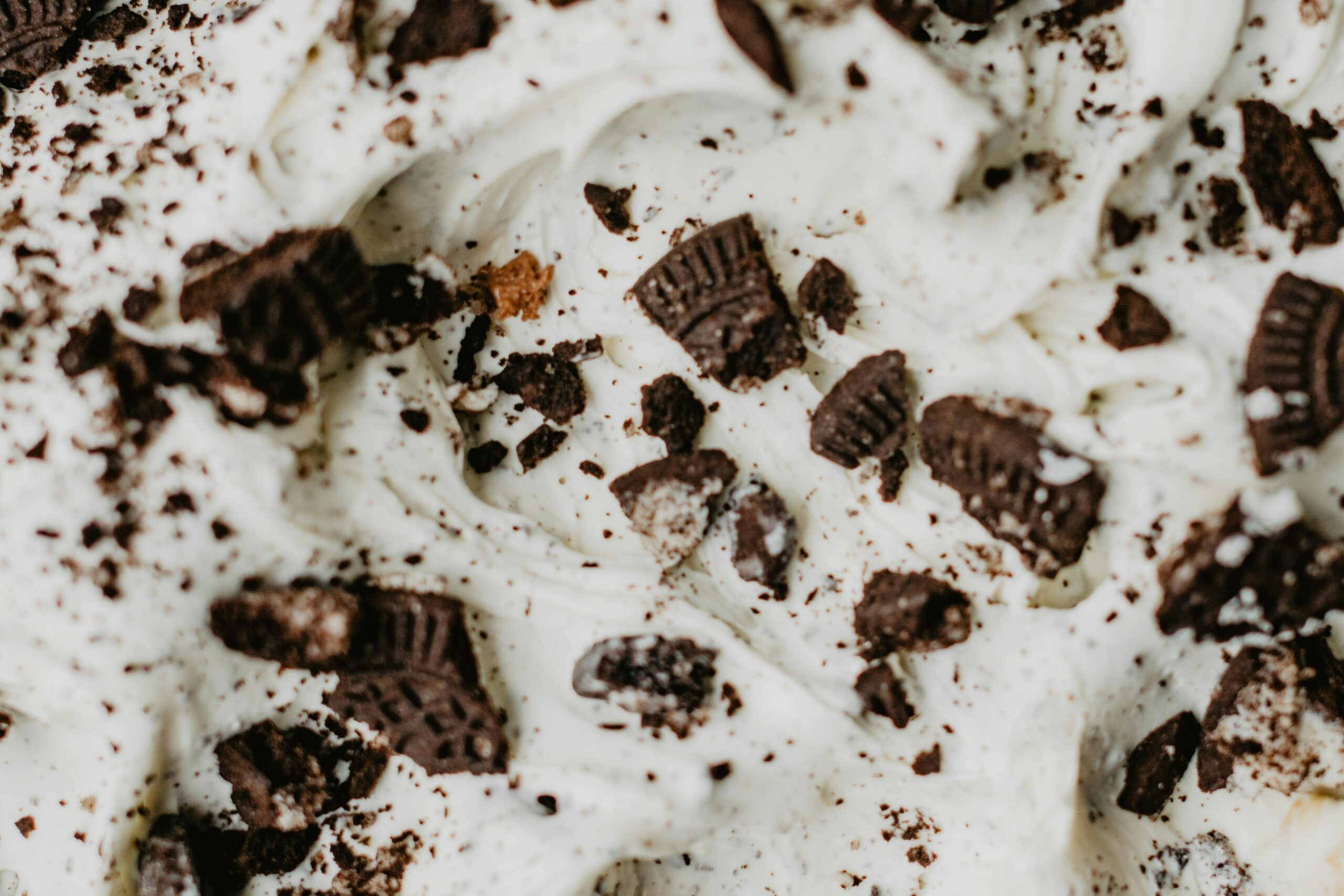
| Smooth + Crispy | Ice cream with cone or toppings | Temperature and texture contrast heightens enjoyment |
| Tender + Chewy | Steak with mushrooms | Subtle variation adds sophistication |
🌍 Cultural Perspectives on Texture Preferences
Food texture preferences vary significantly across cultures, reflecting different culinary traditions and philosophies. Asian cuisines often emphasize textural variety more explicitly than Western cuisines, with specific words describing dozens of different textural qualities. Chinese cooking, for example, prizes textures like “QQ” (bouncy and chewy) and “crispy-tender” that don’t have direct English equivalents.
Japanese cuisine elevates texture appreciation to an art form. The concept of “mouthfeel” or “kuchi-atari” influences everything from sushi rice preparation to the perfect doneness of vegetables. Traditional Japanese meals deliberately include various textures to create a complete sensory experience.
Western cuisines traditionally focused more on flavor combinations, but modern gastronomy increasingly recognizes texture’s importance. Molecular gastronomy experiments extensively with unexpected textures, creating foams, gels, and spheres that challenge our expectations and expand our textural vocabulary.
💡 Texture and Nutrition: An Important Connection
Texture significantly influences our eating behavior and nutritional choices. Crunchy foods generally require more chewing, which slows eating pace and can promote better portion control. The extended chewing time allows satiety signals to reach your brain before you’ve overeaten.
Creamy, smooth textures can be consumed more quickly, potentially leading to overconsumption before fullness registers. However, they also tend to feel more satisfying in smaller quantities due to their richness. Understanding these dynamics helps in making mindful eating choices.
Food manufacturers carefully engineer textures to influence consumption patterns. The “melt-in-your-mouth” quality of certain processed foods can override natural satiety signals, encouraging overconsumption. Awareness of these manipulations empowers better food choices.
🔬 The Science Behind Texture Perception
Our perception of texture involves complex interactions between multiple senses. While touch receptors in the mouth provide primary textural information, sound plays a surprisingly important role. Studies show that people perceive foods as crisper when they can hear the crunching sound clearly.
Vision also influences texture perception before food even enters our mouths. We make predictions about texture based on visual cues—glossy surfaces suggest smoothness, while rough appearances indicate crunchiness. When actual texture doesn’t match visual expectations, satisfaction decreases regardless of actual quality.
Temperature affects texture perception significantly. Cold numbs taste buds slightly, which is why ice cream can be sweeter than expected when melted. Warmth can make textures seem softer and more comforting, explaining why many ultimate comfort foods are served hot.
👨🍳 Practical Tips for Texture Excellence at Home
Creating excellent textures at home doesn’t require professional equipment or advanced techniques. Simple attention to detail makes enormous differences in final results. Temperature control ranks among the most important factors—letting meat rest before cutting, serving salads cold, and keeping hot foods genuinely hot all preserve optimal textures.
Timing your cooking precisely prevents texture disasters. Vegetables should maintain some firmness rather than becoming mushy. Pasta needs constant monitoring to achieve that perfect al dente bite. Baked goods require accurate oven temperatures and proper cooling techniques to develop their intended textures.
Storage Solutions for Texture Preservation
Proper storage maintains textures between cooking and serving. Crispy foods need protection from moisture—store them in airtight containers with humidity-absorbing packets if possible. Creamy foods require consistent cold temperatures to prevent separation or graininess. Chewy foods benefit from moderate moisture levels that prevent them from becoming either hard or soggy.
- Store crispy items separately from moist foods to prevent texture transfer
- Reheat foods using methods that restore original textures when possible
- Allow refrigerated ingredients to reach room temperature before cooking for even texture development
- Use proper cooling techniques for baked goods to set textures correctly
- Invest in quality storage containers that maintain optimal conditions
🍽️ Texture as a Tool for Culinary Creativity
Understanding texture opens new avenues for creative cooking. Experimenting with unexpected textural combinations can lead to exciting discoveries. Try adding crispy elements to traditionally soft dishes, or incorporating smooth components into typically crunchy preparations.
Texture can compensate when other elements are limited. Vegetarian dishes gain substance and interest through textural variety even without meat. Low-sodium preparations become more satisfying when they feature compelling textures that keep your mouth engaged.
Modern cooking techniques like sous vide, dehydration, and spherification allow home cooks to achieve previously impossible textures. These tools aren’t necessary for excellent cooking, but they expand the textural palette available to adventurous cooks willing to experiment.
🌟 The Future of Texture in Food Innovation
Food technology continues advancing our ability to create and modify textures. Plant-based meat alternatives focus intensively on replicating the texture of animal products, recognizing that texture often matters more than taste in consumer acceptance. Companies invest millions in research to perfect the “bite” and “mouthfeel” of alternative proteins.
3D food printing promises to create previously impossible texture combinations and structures. Imagine customized texture profiles tailored to individual preferences or dietary needs. These technologies could revolutionize how we think about and experience food texture.
Personalized nutrition may soon include texture customization based on genetic preferences and sensory profiles. Some people are naturally more sensitive to certain textures, and understanding these differences could lead to more satisfying, sustainable eating patterns for everyone.
✨ Rediscovering Food Through Texture Awareness
Paying attention to texture transforms ordinary eating into extraordinary experiences. Next time you eat, notice the textures consciously. How does crispness add excitement to your salad? Does creaminess make your soup more comforting? Does chewiness make your bread more satisfying?
This awareness enhances enjoyment and promotes mindful eating. Slowing down to appreciate texture helps you recognize satiety signals, potentially supporting better portion control and healthier relationships with food. Texture mindfulness turns every meal into an opportunity for sensory exploration.
The world of texture offers endless discoveries for curious eaters and passionate cooks alike. From the scientific principles governing crispy perfection to the cultural traditions celebrating chewiness, from the luxurious appeal of creaminess to the innovative future of textural engineering, understanding texture enriches every aspect of our culinary lives. Embrace the full spectrum of textural experiences, experiment with combinations, and let texture guide you toward more delicious, satisfying, and memorable meals.