Ever wonder why some foods and drinks captivate your senses beyond just taste? The secret lies in mouthfeel, an often-overlooked dimension that transforms ordinary eating and drinking experiences into extraordinary sensory adventures.

Mouthfeel encompasses the physical sensations your mouth perceives when consuming food or beverages. It includes texture, temperature, viscosity, and even the way ingredients interact with your tongue and palate. Understanding this culinary element can revolutionize how you appreciate and enjoy everything from your morning coffee to an elegant dinner.
🌟 What Exactly Is Mouthfeel and Why Does It Matter?
Mouthfeel refers to the tactile sensations experienced in the mouth when eating or drinking. While taste buds detect sweet, salty, sour, bitter, and umami, your entire oral cavity evaluates texture, consistency, temperature, and physical properties of what you consume.
This sensory dimension significantly influences food preferences and satisfaction. Research shows that people often reject foods not because of taste, but due to unpleasant textures or mouthfeel characteristics. A perfectly seasoned soup with a gritty texture will disappoint, while a silky-smooth version delights.
The science behind mouthfeel involves mechanoreceptors in your mouth that detect pressure, temperature, and texture. These receptors send signals to your brain, creating a comprehensive sensory profile that determines whether you find something appealing or off-putting.
The Five Fundamental Elements of Mouthfeel
Understanding the core components of mouthfeel helps you appreciate why certain foods and beverages resonate with your palate while others fall flat.
Viscosity: The Flow Factor
Viscosity describes how thick or thin a liquid feels in your mouth. Honey has high viscosity, flowing slowly and coating your tongue, while water has low viscosity, moving quickly and leaving minimal residue. Beverages like smoothies, milkshakes, and cream-based soups derive much of their appeal from carefully calibrated viscosity.
The perfect viscosity varies by product. Coffee enthusiasts debate espresso body, wine connoisseurs discuss legs on glass, and craft beer lovers analyze mouthfeel weight. Each beverage category has ideal viscosity ranges that signal quality and proper preparation.
Temperature: Hot, Cold, and Everything Between
Temperature dramatically affects mouthfeel perception. Ice cream delivers a cooling sensation that numbs taste buds temporarily, allowing subtle flavors to emerge gradually as it melts. Hot soup provides warmth that spreads throughout your mouth, enhancing aromatic compounds and creating comfort.
Certain foods play with temperature contrasts. Baked Alaska combines hot meringue with frozen ice cream, creating a thrilling sensory experience. Vietnamese coffee over ice transitions from hot to cold, changing mouthfeel as you drink.
Texture: Smooth, Crunchy, Creamy, and Beyond
Texture might be the most immediately recognizable mouthfeel component. Crispy fried chicken skin, creamy avocado, crunchy raw vegetables, and chewy caramel each provide distinct textural experiences that define their appeal.
Multi-textured dishes create complexity and interest. A parfait layers smooth yogurt with crunchy granola and soft fruit. Asian cuisine frequently combines contrasting textures in single dishes, from crispy spring rolls with tender filling to silky tofu with crunchy peanuts.
Astringency: That Puckering Sensation
Astringency creates a drying, puckering sensation in your mouth. Red wine tannins, black tea, and unripe persimmons all exhibit astringency. This mouthfeel comes from compounds called tannins that bind with proteins in your saliva, creating that characteristic dry feeling.
Astringency isn’t always negative. Wine enthusiasts value tannin structure, tea lovers appreciate the cleansing sensation, and certain cuisines use astringent ingredients to balance rich foods. The key is appropriate levels and context.
Carbonation: The Fizz Factor ✨
Carbonation adds a tactile dimension beyond taste. Those tiny bubbles create a tingling, almost prickling sensation that enhances refreshment perception. Champagne, sparkling water, beer, and soda all rely heavily on carbonation for their characteristic mouthfeel.
The size and persistence of bubbles matter significantly. Fine champagne bubbles create elegant effervescence, while aggressive soda carbonation delivers bold fizz. Some beverages use nitrogen instead of carbon dioxide for smoother, creamier bubbles, as seen in nitro cold brew coffee.
🍷 Mouthfeel in Beverages: From Coffee to Cocktails
Beverages offer particularly interesting mouthfeel experiences because liquids interact with your entire mouth surface rapidly and completely.
Coffee: Body, Texture, and Finish
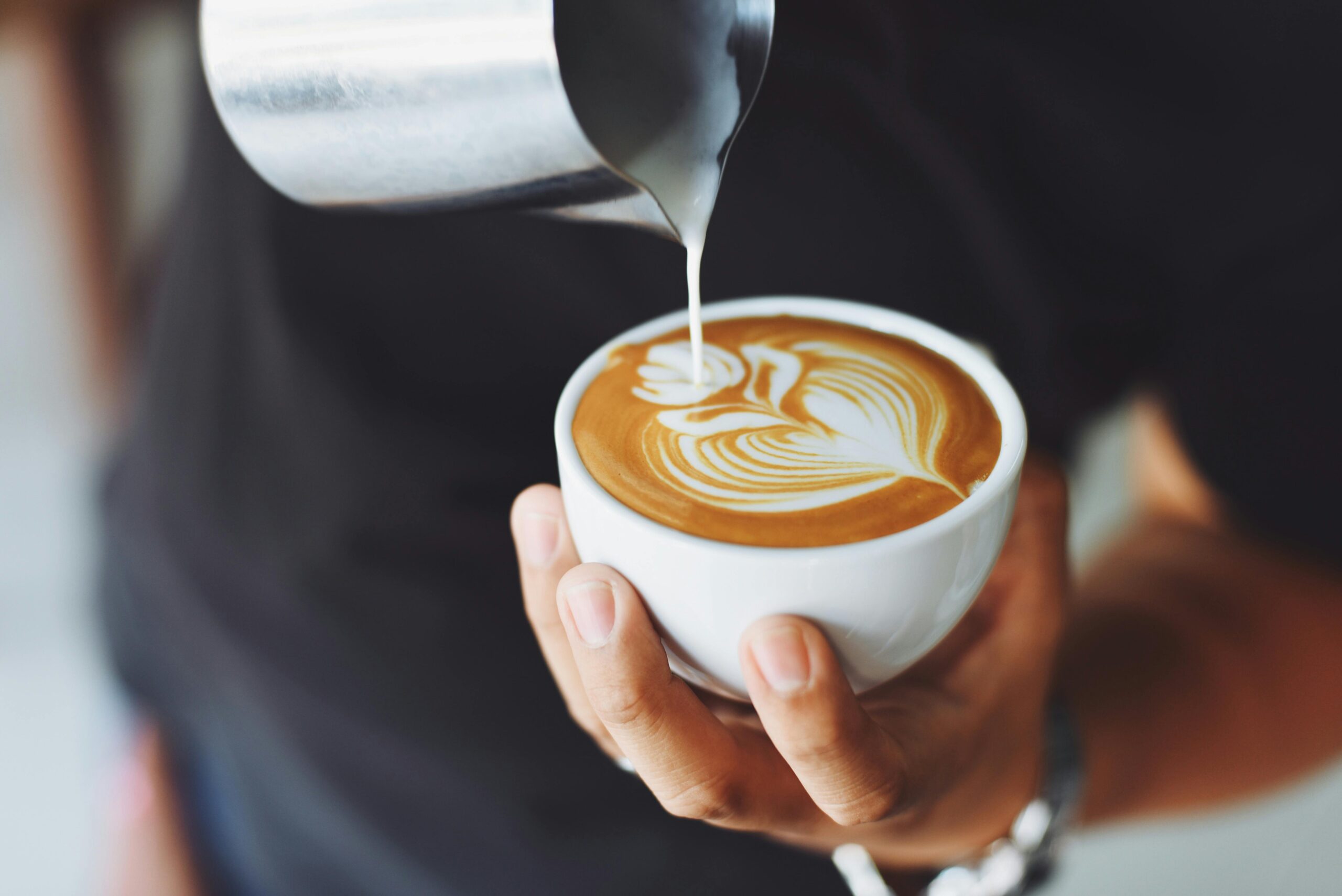
Coffee professionals evaluate mouthfeel through body, texture, and aftertaste. Body refers to weight and viscosity—light, medium, or full. Texture describes smoothness or grittiness. Finish involves lingering sensations after swallowing.
Brewing method dramatically affects coffee mouthfeel. French press produces heavy body with more oils and sediment. Pour-over creates clean, lighter body with clarity. Espresso delivers concentrated, syrupy texture with persistent crema. Cold brew offers smooth, low-acid body that many find easier on the palate.
Wine: Tannins, Body, and Texture
Wine appreciation heavily emphasizes mouthfeel. Tannin structure, body weight, alcohol warmth, acidity, and texture all contribute to overall wine experience. Sommeliers train extensively to identify and describe these characteristics.
Red wines typically offer more pronounced mouthfeel than whites due to tannins from grape skins and oak aging. However, full-bodied white wines like aged Chardonnay provide rich, creamy textures from malolactic fermentation and barrel aging. Sparkling wines add carbonation complexity to the equation.
Craft Beer: Exploring Complexity
The craft beer revolution brought renewed attention to mouthfeel. Beer styles range from light, crisp lagers to thick, chewy imperial stouts. Mouthfeel descriptors include watery, light, medium, full, creamy, silky, smooth, coating, and sticky.
Ingredients and techniques shape beer mouthfeel. Oats add silky smoothness to oatmeal stouts. Lactose provides creamy sweetness in milk stouts. High alcohol content creates warming sensation. Carbonation levels vary from still cask ales to highly carbonated Belgian styles.
Cocktails: Engineered Sensations
Mixologists craft cocktails with deliberate mouthfeel considerations. Shaking versus stirring affects texture and temperature. Egg whites create silky foam. Cream adds richness. Ice dilution impacts viscosity and temperature throughout the drinking experience.
Classic cocktails demonstrate mouthfeel mastery. A properly made whiskey sour balances spirit strength with citrus acidity and egg white creaminess. Martinis showcase spirit character through careful dilution and temperature control. Tiki drinks layer multiple textures for complexity.
🍽️ Mouthfeel in Solid Foods: Texture Takes Center Stage
While beverages flow around your mouth, solid foods require chewing, adding mechanical breakdown to the mouthfeel equation.
The Crunch Factor: Why We Love Crispy Foods
Humans are inherently attracted to crunchy foods. The sound and sensation of biting into crispy foods trigger pleasure responses. Potato chips, fried chicken, fresh vegetables, and toasted bread all capitalize on this preference.
Food scientists work tirelessly to maintain crispness. Packaging technology prevents moisture infiltration. Cooking techniques maximize crunch. Some restaurants even have protocols ensuring fried items reach tables within specific timeframes to preserve optimal texture.
Creamy Indulgence: The Appeal of Smooth Textures
Creamy mouthfeel signals richness and indulgence. Ice cream, chocolate mousse, mashed potatoes, and avocado toast all deliver satisfying smoothness. This texture typically comes from fat content, emulsification, or specific ingredient properties.
The food industry invests heavily in creating creamy textures without excessive calories. Low-fat products use hydrocolloids, starches, and other ingredients to mimic fat’s creamy mouthfeel. Success varies, as experienced eaters often detect differences between full-fat originals and reduced-fat alternatives.
Chewiness: Finding the Sweet Spot
Optimal chewiness depends entirely on context. Perfectly chewy bagels delight, while chewy crackers disappoint. Gummy candies should be pleasantly chewy, but chewy steak indicates poor quality. Understanding appropriate chewiness for each food type is essential.
Asian cuisines particularly celebrate specific chewy textures. Japanese mochi offers unique glutinous chew. Korean tteokbokki features distinctive rice cake texture. Chinese noodles range from soft to extremely chewy based on preparation. These textures often lack direct English equivalents, demonstrating cultural specificity in mouthfeel preferences.
🔬 The Science Behind Mouthfeel Enhancement
Food scientists and chefs employ various techniques to optimize mouthfeel in culinary creations.
Fats and Oils: The Ultimate Mouthfeel Enhancers
Fat provides unmatched mouthfeel benefits. It creates smoothness, carries flavors, adds richness, and produces satisfying coating sensation. Butter, cream, olive oil, and animal fats all contribute distinctive mouthfeel characteristics.
Different fats behave differently. Coconut oil remains solid at room temperature, creating unique texture in vegan desserts. Olive oil provides fruity, slightly peppery mouthfeel in Mediterranean cuisine. Butter adds both flavor and creamy richness to countless dishes.
Hydrocolloids: Modern Texture Magic
These water-loving molecules allow food scientists to create specific textures and mouthfeel characteristics. Xanthan gum thickens without heat. Gelatin creates firm gels. Agar provides vegetarian gelling. Carrageenan stabilizes dairy products.
Molecular gastronomy embraced hydrocolloids for dramatic effect. Chefs create spheres that burst in your mouth, foams with unexpected flavors, and gels from unlikely ingredients. These techniques demonstrate ultimate control over mouthfeel independent of traditional ingredients.
Temperature Control and Phase Changes
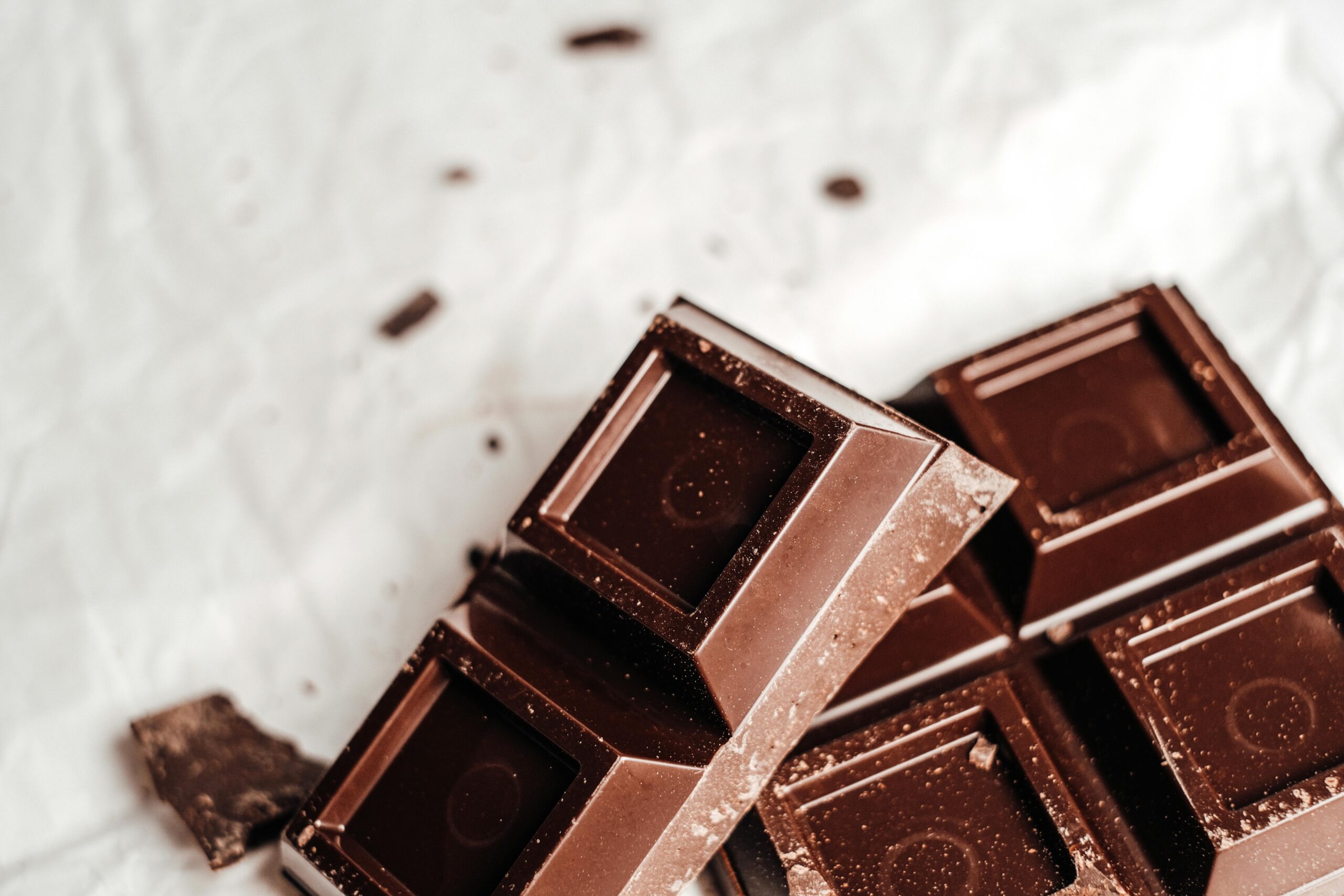
Temperature transitions create dynamic mouthfeel experiences. Chocolate’s melting point sits just below body temperature, creating that melt-in-your-mouth sensation. Ice cream quality depends on ice crystal size and melting behavior. Hot cheese pulls and stretches differently than cold cheese.
Chefs manipulate temperature for effect. Serving temperatures are carefully specified. Some dishes intentionally combine hot and cold elements. Molecular gastronomy techniques like flash-freezing with liquid nitrogen create unusual temperature experiences.
💡 Practical Tips for Enhancing Your Mouthfeel Awareness
Developing mouthfeel sensitivity enriches every eating and drinking experience. Here’s how to cultivate this skill.
Mindful Tasting Exercises
Practice paying attention to physical sensations beyond taste. When drinking coffee, notice body weight, smoothness, and how long flavors linger. When eating chocolate, focus on melting behavior and texture changes. Compare similar products side-by-side, noting mouthfeel differences.
Professional tasters use structured evaluation forms that prompt systematic assessment of appearance, aroma, taste, and mouthfeel. Creating your own simple evaluation framework helps develop consistent observation skills.
Experiment with Contrasts
Intentionally combine contrasting textures and temperatures. Add crispy toppings to creamy soups. Serve ice cream with warm brownies. Include crunchy vegetables with soft proteins. These contrasts highlight individual mouthfeel components through comparison.
Many celebrated dishes succeed precisely through textural contrast. Greek salad combines creamy feta with crisp vegetables. Peanut butter provides creamy-crunchy options. Indian cuisine layers soft curries with crispy papadums and varied vegetable textures.
Explore Cultural Differences
Different cultures value different mouthfeel characteristics. Exploring international cuisines expands your textural vocabulary and appreciation. Japanese cuisine emphasizes subtle textural variations. Mexican food celebrates combinations of soft, crispy, and creamy. Ethiopian injera provides unique spongy texture.
Food tourism offers incredible opportunities for mouthfeel exploration. Street food markets present diverse textures. Traditional restaurants showcase cultural mouthfeel preferences. Cooking classes teach techniques for achieving authentic textures.
Creating Mouthfeel Magic at Home 🏠
You don’t need professional training to improve mouthfeel in home cooking and beverage preparation.
Simple Techniques for Better Texture
Several straightforward methods enhance mouthfeel immediately. Finish soups with cream or butter for richness. Toast nuts before adding to dishes for crunch. Let steaks rest after cooking to improve juiciness. Properly emulsify salad dressings for smooth coating.
Temperature management matters tremendously. Serve foods at appropriate temperatures. Allow refrigerated items to come to room temperature when appropriate. Keep hot foods hot and cold foods cold during serving.
Ingredient Upgrades That Make a Difference
Quality ingredients often provide superior mouthfeel. Real butter tastes and feels better than margarine. Fresh vegetables have better texture than old ones. Properly aged cheese develops complex texture. Freshly ground coffee produces better body than pre-ground.
Sometimes a single ingredient transforms mouthfeel. Adding a tablespoon of butter to pasta water creates silky coating. A splash of cream rounds out tomato sauce. A pinch of salt enhances texture perception in desserts. These small additions yield disproportionate improvements.
The Future of Mouthfeel Innovation 🚀
Food technology continues advancing mouthfeel possibilities, from plant-based meat alternatives to personalized nutrition.
Plant-Based Foods and Mouthfeel Challenges
Creating satisfying mouthfeel in plant-based alternatives represents a major challenge. Animal products provide textures difficult to replicate with plants alone. Companies invest millions developing plant-based burgers that “bleed,” dairy-free ice cream that melts properly, and vegan cheese that stretches convincingly.
Success requires understanding both the chemistry of animal products and plant ingredient properties. Combining multiple plant proteins, fats, and hydrocolloids allows formulators to approximate traditional mouthfeel characteristics while maintaining plant-based status.
3D Printing and Customized Textures
Food 3D printing enables unprecedented texture control. Printers can create intricate structures impossible to achieve manually. They can customize texture for specific populations, like elderly individuals with swallowing difficulties who need specific consistencies.
This technology remains emerging but shows enormous potential. Imagine customizing pasta shapes for optimal sauce retention or printing desserts with precisely engineered melt behavior. The intersection of culinary arts and technology continues expanding possibilities.
🎯 Bringing It All Together: Your Mouthfeel Journey
Mastering mouthfeel appreciation transforms you from passive consumer to active participant in culinary experiences. Every meal becomes an opportunity to notice, evaluate, and enjoy the physical sensations that make eating and drinking so pleasurable.
Start small by focusing on one aspect at a time. Notice coffee body tomorrow morning. Pay attention to vegetable crispness at lunch. Evaluate ice cream texture at dessert. Gradually, these observations become automatic, enriching every eating occasion.
Remember that mouthfeel preferences are personal. While general principles exist, individual preferences vary widely. Some people love creamy textures while others prefer lighter sensations. Honor your own preferences while remaining open to new experiences.
The magic of mouthfeel lies in its ability to elevate the ordinary into the extraordinary. A simple glass of water can be refreshing or disappointing based on temperature and mouthfeel. A chocolate bar can be transcendent or mediocre depending on melting characteristics and texture. Attention to these details separates memorable experiences from forgettable ones.
Whether you’re a casual food enthusiast or aspiring culinary professional, understanding mouthfeel enhances appreciation and enjoyment. It provides vocabulary for describing experiences, framework for evaluation, and pathway toward continual discovery in the endlessly fascinating world of food and drink.
So take that next sip, that next bite, with heightened awareness. Notice how it feels, not just how it tastes. Let the texture dance across your palate. Feel the temperature shifts and textural transformations. Welcome to the wonderful world of mouthfeel—where physical sensation meets culinary artistry, creating moments of pure sensory delight.