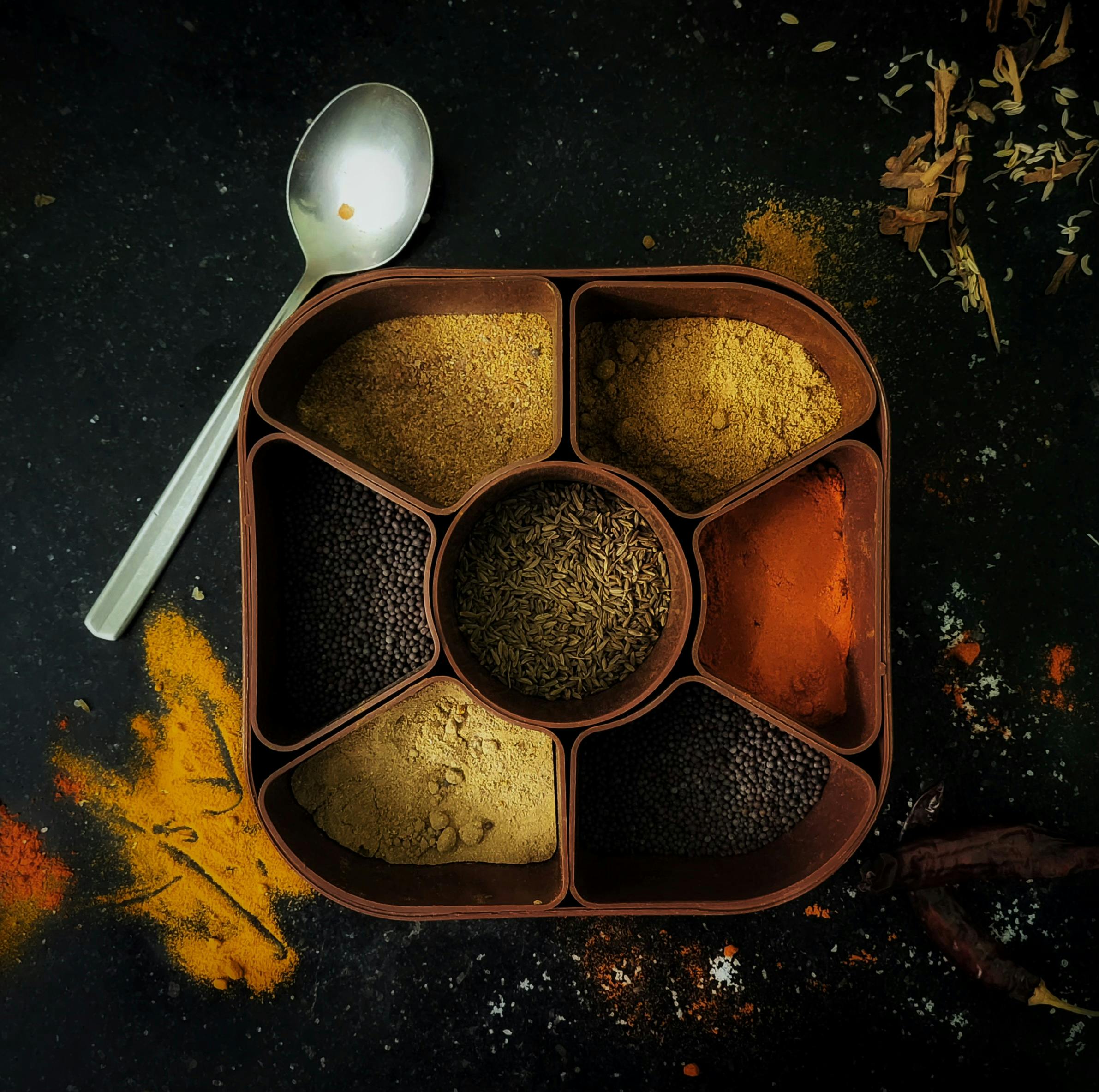
The world of spicy foods is far more complex than a simple burn on the tongue. Each hot sauce, pepper, and spicy product carries a unique flavor profile that deserves appreciation beyond heat alone.

When we talk about spicy products, we’re opening a door to a sensory adventure that spans cultures, cuisines, and centuries of culinary evolution. The experience of heat is just the beginning—beneath that fiery sensation lies an intricate landscape of flavors, aromas, and textures that can transform ordinary meals into extraordinary experiences. From the smoky depth of chipotle to the bright, citrusy notes of habanero, spicy products offer a palette as diverse as wine or coffee, yet often go unappreciated by those who see only the heat.
🌶️ Beyond the Burn: Understanding the Complexity of Spicy Flavors
The perception of spiciness isn’t actually a taste—it’s a pain response triggered by capsaicin, the compound responsible for heat in peppers. But this fiery sensation serves as a canvas upon which countless other flavors paint their masterpiece. When you move past the initial shock of heat, you’ll discover that different spicy products possess distinct characteristics that can enhance, complement, or completely transform a dish.
Premium hot sauces and fresh peppers contain layers of flavor that reveal themselves at different moments during the eating experience. The initial taste, the building heat, and the lingering aftertaste all contribute to the complete flavor profile. This complexity is what separates artisanal spicy products from basic hot sauces that offer nothing but capsaicin punch.
The Science Behind Spicy Tasting Notes
Understanding why different peppers and spicy products taste so different requires a look at their chemical composition. Beyond capsaicin, peppers contain various aromatic compounds, sugars, acids, and volatile oils that contribute to their unique flavor signatures. The growing conditions, soil composition, and ripeness at harvest all influence these compounds, creating terroir-driven flavors similar to those found in wine.
The Scoville scale measures heat intensity but tells us nothing about flavor. A ghost pepper and a habanero might share similar Scoville ratings, yet taste completely different. The ghost pepper brings earthy, almost smoky notes with a fruity undertone, while the habanero explodes with tropical fruit flavors reminiscent of mango and citrus.
Mapping the Flavor Profiles of Popular Spicy Products
Each category of spicy product brings its own characteristic tasting notes to the table. By understanding these profiles, you can select the perfect heat for any culinary application, whether you’re crafting a complex curry or simply elevating your morning eggs.
Fresh Peppers: Nature’s Spicy Spectrum
Fresh peppers offer the purest expression of spicy flavor. Jalapeños deliver a bright, vegetal taste with grassy notes and moderate heat that builds gradually. Their flavor is clean and straightforward, making them incredibly versatile in both raw and cooked applications. When smoked and dried to create chipotles, jalapeños develop deep, complex flavors with hints of chocolate, tobacco, and dried fruit.
Serrano peppers step up the heat while maintaining a similar flavor profile to jalapeños, though with more pronounced citrus notes and a crisper bite. They’re excellent for fresh salsas where you want clean heat without overwhelming other ingredients.
Habanero peppers represent a significant leap in both heat and flavor complexity. Behind their intense burn lies a tropical fruit cocktail of flavors—apricot, mango, and citrus dominate, with floral undertones that add elegance to their fierce heat. Orange habaneros tend toward sweeter notes, while red varieties can have deeper, slightly earthier characteristics.
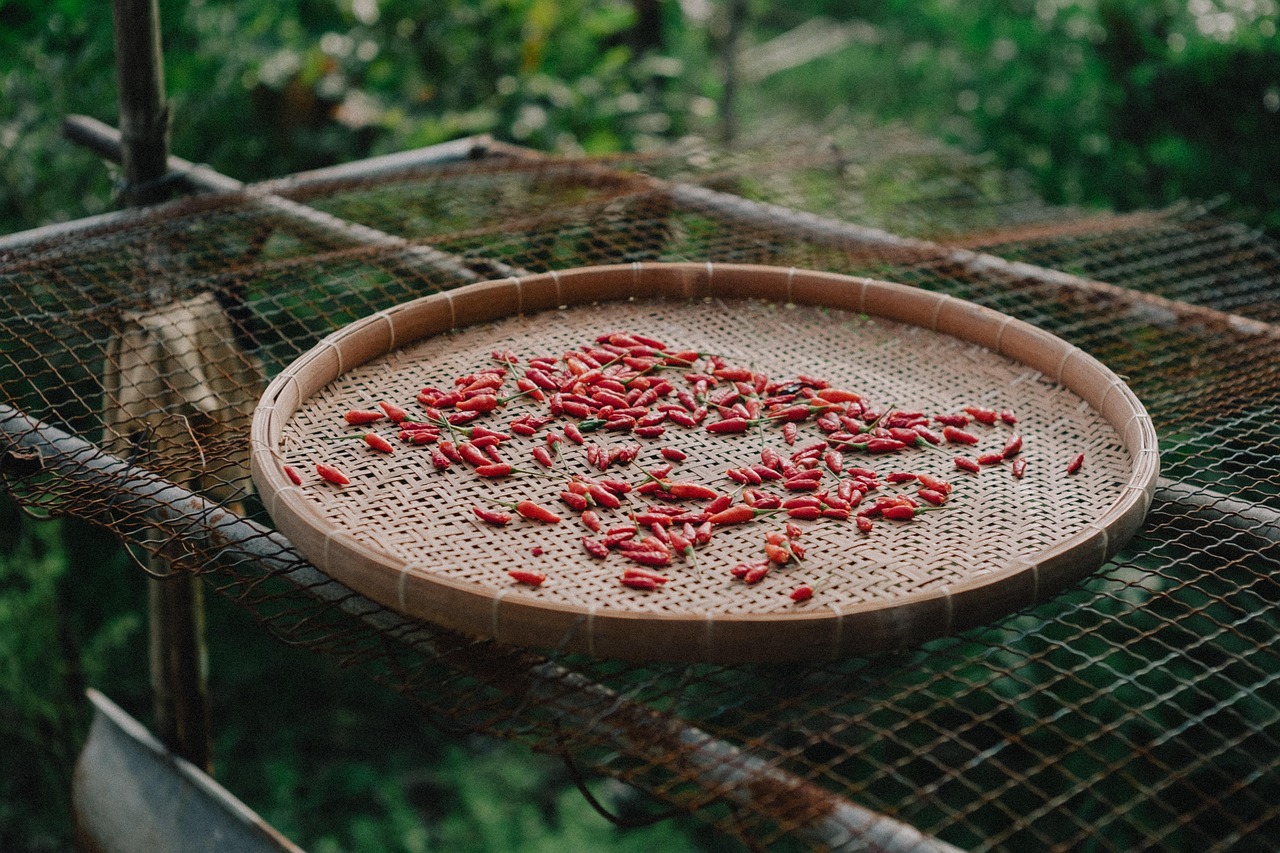
Thai bird’s eye chilies pack concentrated heat in tiny packages, with bright, sharp flavors that carry hints of pepper and a quick, clean burn. Their intensity makes them perfect for Southeast Asian cuisines where they provide heat without masking delicate flavors like lemongrass or fish sauce.
Fermented Hot Sauces: Depth Through Transformation
Fermentation adds another dimension to spicy products, creating complex umami notes and tangy undertones that balance heat beautifully. Traditional Louisiana-style hot sauces like Tabasco undergo fermentation that mellows the pepper’s raw edge while developing vinegary brightness and subtle depth. The result is a hot sauce that enhances rather than dominates.
Sriracha, perhaps the most famous fermented hot sauce globally, combines red jalapeños with garlic, sugar, and salt through fermentation. This process creates its signature balance of heat, sweetness, garlic punch, and slight tanginess. The thickness of sriracha also contributes to its flavor delivery, coating the palate and providing sustained flavor release.
Korean gochujang takes fermentation even further, blending red chili powder with fermented soybeans, rice, and salt. The result is a thick paste with remarkable complexity—sweet, savory, spicy, and funky all at once. Its tasting notes include caramel, miso, and dried fruit alongside moderate, building heat.
🔥 Regional Variations: How Culture Shapes Spicy Flavor
Different culinary traditions have developed unique approaches to spicy flavors, creating products that reflect regional tastes and available ingredients. These cultural expressions of heat offer fascinating diversity in tasting notes.
Latin American Spicy Products
Mexican hot sauce culture celebrates the pepper itself, often using minimal ingredients to let the chile’s natural flavors shine. Salsas range from the bright, acidic verde made with tomatillos and serrano peppers to rich, dark moles that combine dried chiles with chocolate, nuts, and dozens of spices. Each region has signature preparations—Yucatecan habanero salsas emphasize citrus and tropical fruit notes, while Oaxacan pastes highlight the smoky, raisin-like flavors of dried chiles.
South American aji-based sauces bring different flavor profiles entirely. Peruvian aji amarillo peppers offer fruity, slightly tropical heat with notes reminiscent of passion fruit and bell pepper. Colombian aji sauces often incorporate cilantro and lime, creating fresh, herbaceous heat that brightens rich, heavy dishes.
Asian Spicy Traditions
Chinese chili oils showcase heat infused with aromatics—Sichuan peppercorns add their distinctive numbing sensation alongside citrusy, floral notes, while fried garlic and shallots contribute savory depth. The oil itself carries flavor, becoming a condiment that adds both heat and richness.
Japanese spicy products tend toward subtlety and balance. Yuzu kosho combines fermented chili peppers with yuzu citrus zest and salt, creating a paste that’s simultaneously spicy, sour, salty, and aromatic. The yuzu provides distinctive citrus notes unlike any other—tart, floral, and complex.
Indian spicy flavors are inseparable from complex spice blends where heat plays one role among many. Kashmiri chili powder provides vibrant color with mild heat and slightly sweet notes, while bird’s eye chiles add sharp punctuation. The interplay between heat and spices like cumin, coriander, and fenugreek creates layered flavor experiences where identifying individual elements becomes delightfully challenging.
Pairing Spicy Products with Food and Beverages
Understanding the tasting notes of spicy products allows for sophisticated pairing decisions that elevate both the heat and the dish it accompanies. Like wine pairing, successful spicy product pairing considers complementary and contrasting flavors.
Complementary Pairings
Smoky chipotle hot sauces pair beautifully with grilled meats, where the smokiness echoes and amplifies. The chocolate and tobacco notes in chipotle also complement rich, fatty cuts like pork shoulder or beef brisket, cutting through the richness while adding complexity.
Fruity habanero sauces work wonderfully with tropical flavors—think mango, pineapple, or coconut-based dishes. The heat highlights the fruit’s sweetness while the sauce’s own fruity notes create harmony rather than competition. This makes habanero excellent in Caribbean and tropical fusion cuisine.
Garlic-forward sauces like sriracha complement umami-rich foods. The garlic in the sauce resonates with the savory depth of aged cheeses, mushrooms, soy sauce, or roasted vegetables, creating satisfying flavor synergy.
Beverage Pairings That Work 🍺
Contrary to popular belief, water does little to alleviate spicy heat—capsaicin is oil-soluble, not water-soluble. Beer, particularly malty, slightly sweet styles like amber ales or wheat beers, provides better relief while complementing spicy food. The carbonation cleanses the palate, while malt sweetness balances heat.
Wines with slight sweetness and good acidity work well with spicy foods. Riesling, Gewürztraminer, and rosé offer enough sugar to temper heat while their acidity refreshes the palate. Full-bodied reds often clash with serious heat, their tannins amplifying the burning sensation.
Dairy-based beverages remain the most effective heat neutralizers. The casein protein in milk binds to capsaicin and washes it away. This explains why lassi accompanies Indian food so perfectly—it’s not just tradition but chemistry.
Developing Your Spicy Product Palate
Like appreciating wine or coffee, developing sensitivity to the nuances of spicy products requires intentional practice. Start by tasting spicy products on their own, in small amounts, to identify their core flavors before the heat overwhelms your palate.
The Tasting Process
Begin with a small amount—a few drops of sauce or a thin slice of fresh pepper. Let it sit on your tongue for a moment before swallowing. Notice the initial flavors before the heat builds. Is it sweet, sour, smoky, fruity? Does it taste green and fresh or deep and fermented?
As the heat develops, pay attention to where you feel it most—tip of the tongue, back of the throat, roof of the mouth—and how it evolves. Does it come on immediately or build gradually? Is it sharp and aggressive or warm and spreading?
After the initial heat fades, notice the lingering flavors. Many premium spicy products reveal their most interesting notes in the finish. That’s when you might detect chocolate in a chipotle or floral notes in a habanero.
Building Tolerance and Sensitivity
Regular exposure to capsaicin increases tolerance, allowing you to perceive flavors that heat previously masked. Start with milder products and gradually work up the Scoville scale. This progression helps your palate adapt while training it to identify subtle differences between similar heat levels.
Keep tasting notes like you would for wine. Record the product name, heat level, primary flavors, texture, and how it evolved from first taste to finish. Over time, patterns will emerge, and you’ll develop preferences for certain flavor profiles.
The Artisan Spicy Product Movement 🌶️
Recent years have seen explosive growth in craft hot sauce production, with makers treating spicy products as serious culinary creations rather than mere condiments. These artisans experiment with pepper varieties, fermentation techniques, aging processes, and unexpected ingredient combinations to create complex, sophisticated products.
Small-batch producers often source heirloom pepper varieties with unique flavor characteristics. These peppers might not ship well or have commercial viability for large-scale production, but they offer flavor profiles you’ll never find in mass-market products. Some craft sauces incorporate ingredients like coffee, bourbon, fruit purees, or exotic spices to create truly original flavor experiences.
The craft movement has also elevated transparency. Many producers now list pepper varieties, not just “red peppers,” allowing consumers to seek out specific flavors. Origin information, harvest dates, and detailed tasting notes help enthusiasts navigate the expanding world of premium spicy products.
Cooking with Spicy Products: Technique Matters
How you incorporate spicy products into cooking dramatically affects their flavor contribution. Raw additions preserve bright, fresh notes but can taste harsh or one-dimensional. Cooking mellows heat while developing deeper, more integrated flavors.
When to Add Heat
Adding spicy products early in cooking allows their flavors to infuse throughout the dish. This works well with stews, braises, and sauces where you want integrated heat rather than a spicy topping. The extended cooking time also mellows the heat slightly while concentrating flavors.
Finishing with spicy products preserves their bright, punchy characteristics. A drizzle of fresh hot sauce on completed dishes adds immediate heat and vibrant flavor without cooking off volatile compounds that contribute to complexity. This approach works well when you want the spicy product’s flavor to be identifiable rather than blended.
Blooming dried chiles or chili powder in hot oil before adding other ingredients releases fat-soluble flavor compounds, creating deeper, richer heat. This technique is fundamental to many cuisines and transforms the flavor profile of dried spicy products.
Health Benefits Hidden in the Heat
Beyond flavor, spicy products offer genuine health benefits that make indulging in heat a wellness practice. Capsaicin has been studied extensively for its anti-inflammatory properties, metabolism-boosting effects, and pain relief applications. Regular consumption of spicy foods correlates with lower rates of certain health conditions in population studies.
The endorphin release triggered by capsaicin creates natural pain relief and mood elevation—the famous “spice high” that keeps heat seekers coming back for more. This response is genuine biochemistry, not imagination, and explains the almost addictive quality of spicy foods for enthusiasts.
Many spicy products also deliver significant amounts of vitamins, particularly vitamin C and vitamin A from the peppers themselves. Fresh chiles rank among the most nutrient-dense vegetables, offering antioxidants alongside their heat.
🔥 Building Your Spicy Product Collection
A well-curated spicy product collection gives you flavor options for any culinary situation. Rather than accumulating dozens of similar products, focus on building diversity across flavor profiles and heat levels.
Start with foundational products: a vinegar-based Louisiana-style sauce for brightness, a fermented sauce like sriracha for garlic-forward heat, a smoky chipotle sauce for depth, and a fruity habanero sauce for tropical applications. These four categories cover most flavor needs and can be combined for even greater complexity.
Add specialty products as you discover your preferences. Maybe you love the numbing sensation of Sichuan preparations, or perhaps Korean gochugaru’s fruity, smoky heat becomes your secret weapon. Your collection should reflect your cooking style and taste preferences, not chase completeness.
Store spicy products properly to maintain their flavor. Most hot sauces benefit from refrigeration after opening, which preserves color and fresh flavors. Whole dried chiles should be stored in airtight containers away from light and heat. Fresh peppers can be frozen whole for long-term storage with minimal flavor loss.
The Future of Spicy Flavor Exploration
The spicy product landscape continues evolving as consumers become more sophisticated and adventurous. Crossover products blend culinary traditions—Korean-Mexican fusion sauces, Indian-inspired wing sauces, and Japanese-influenced hot condiments demonstrate how heat transcends cultural boundaries.
Sustainability concerns are driving innovation in pepper cultivation and product creation. Heirloom variety preservation ensures flavor diversity for future generations, while eco-conscious production methods reduce the environmental impact of commercial hot sauce manufacturing.
Technology also plays a role, with precision fermentation and controlled growing environments allowing consistent production of peppers with specific flavor profiles. This consistency helps consumers find products they love and trust while enabling makers to create reliably excellent spicy products year-round.
The appreciation for spicy products has matured from machismo-driven heat challenges to genuine culinary appreciation. Today’s spice enthusiasts seek flavor complexity first, with heat as one component rather than the sole goal. This shift has elevated the entire category, encouraging producers to prioritize taste alongside Scoville ratings and inspiring consumers to explore the remarkable diversity of spicy flavors available worldwide. Whether you’re just beginning your journey into heat or you’re a seasoned chile head, there’s always another flavor waiting to be discovered in the bold, diverse, and endlessly fascinating world of spicy products.