The world of zero-proof beverages has evolved far beyond simple sodas and juices. Today’s sophisticated non-alcoholic drinks deserve equally thoughtful food pairings that enhance both the beverage and the culinary experience.

Creating memorable moments around the table isn’t solely about what you drink—it’s about the harmonious dance between flavors, textures, and aromas. Whether you’re choosing mocktails for health reasons, pregnancy, religious beliefs, or simply prefer to skip the alcohol, understanding how to pair these beverages with food transforms ordinary meals into extraordinary celebrations. The art of pairing zero-proof drinks with food follows many of the same principles as traditional wine or cocktail pairings, focusing on complementary and contrasting flavors that bring out the best in both elements.
Understanding Flavor Profiles in Non-Alcoholic Beverages 🍋
Before diving into specific pairings, it’s essential to understand the fundamental flavor profiles present in zero-proof beverages. These drinks range from botanical and herbal to fruity, spicy, bitter, sweet, and acidic. Each profile interacts differently with food components.
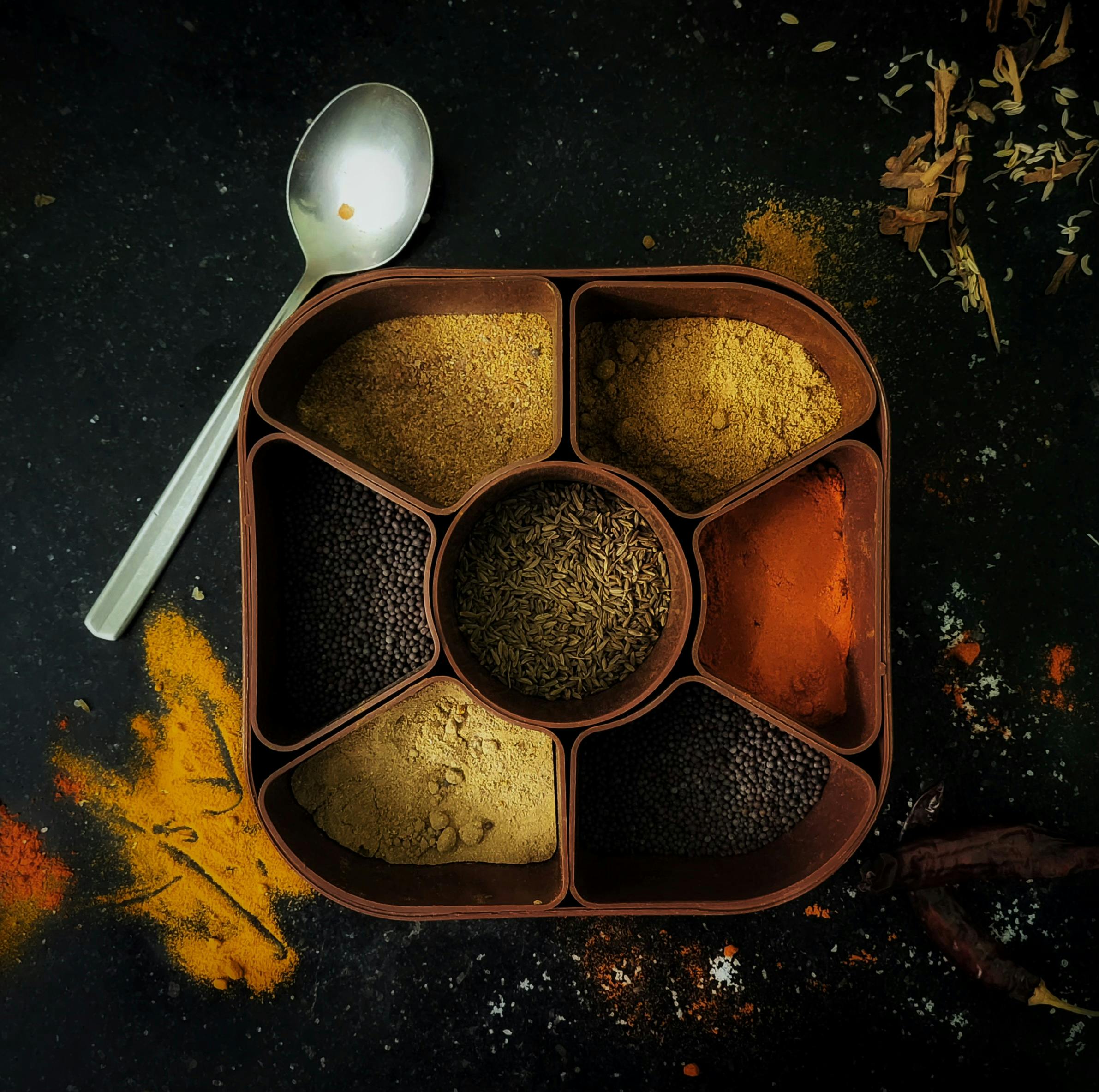
Botanical-based drinks featuring ingredients like juniper, rosemary, or thyme work beautifully with dishes that share similar herbal notes. Fruity beverages containing citrus, berries, or tropical fruits provide acidity and sweetness that can cut through rich foods or complement lighter fare. Spiced drinks with ginger, cinnamon, or cardamom add warmth and complexity that pairs wonderfully with both sweet and savory dishes.
The absence of alcohol actually allows the nuanced flavors in these beverages to shine more clearly. Without the burning sensation or numbing effect of alcohol, your palate remains more sensitive to subtle taste variations, making thoughtful pairings even more important.
The Five Fundamental Pairing Principles
Successful food and beverage pairings rely on five fundamental principles that work whether you’re pairing wine, cocktails, or zero-proof drinks. Understanding these principles empowers you to create your own successful combinations beyond specific recipe suggestions.
Complement and Mirror
Look for shared flavor notes between your beverage and dish. If your mocktail features lavender and lemon, consider pairing it with a lemon tart or herb-crusted chicken. This creates a harmonious experience where flavors reinforce each other rather than compete.
Contrast and Balance
Sometimes opposites attract beautifully. A sweet, fruit-forward drink can balance spicy foods, while a tart, acidic beverage cuts through rich, fatty dishes. Think of sparkling citrus drinks alongside creamy pasta or tangy kombucha with fried appetizers.
Consider Intensity
Match the weight and intensity of your beverage to your food. Delicate drinks pair best with lighter fare, while bold, complex beverages can stand up to heartier dishes. A subtle cucumber-mint spritzer would be overwhelmed by spicy barbecue, just as a robust ginger beer might dominate delicate seafood.
Acidity as Your Secret Weapon
Acidic beverages refresh the palate and cut through fat, making them incredibly versatile. Drinks with citrus, vinegar-based shrubs, or fermented components work magic with rich cheeses, fried foods, and creamy sauces.
Sweetness Strategy
Your beverage should typically be as sweet or sweeter than your food. A dry, unsweetened drink paired with a sweet dessert can taste bitter and unpleasant. Conversely, a sweet drink with savory food can create interesting contrasts when done thoughtfully.
Perfect Pairings for Appetizers and Small Plates 🍴
Starting your meal with the right beverage sets the tone for the entire dining experience. Appetizers often feature bold, concentrated flavors that need beverages capable of holding their own.
For cheese boards featuring aged varieties, try botanical-forward drinks with herbal notes. A rosemary and grapefruit mocktail complements sharp cheddar beautifully, while a non-alcoholic vermouth-style drink pairs wonderfully with aged gouda. Fresh cheeses like mozzarella or burrata sing alongside sparkling beverages with subtle fruit notes.
Fried appetizers benefit enormously from beverages with acidity and carbonation. The effervescence and tartness cut through oil and refresh the palate between bites. Consider pairing tempura vegetables with yuzu-based sparkling drinks, or crispy calamari with a tart cranberry shrub soda.
Cured meats and charcuterie boards pair excellently with drinks that have both sweetness and acidity. A pomegranate and black pepper mocktail provides the perfect counterpoint to salty prosciutto, while a cherry and balsamic spritzer complements the richness of salami.
Elevating Main Course Experiences
Main courses present the greatest opportunity for creative pairings, as they typically feature the most complex flavor profiles of any meal. Your beverage choice can either highlight specific elements of the dish or provide pleasant contrast.
Seafood and Light Proteins
Delicate fish and shellfish require beverages that won’t overpower their subtle flavors. Citrus-forward drinks work exceptionally well here. A lemon and elderflower sparkler enhances grilled white fish, while a cucumber and lime cooler complements ceviche beautifully.
For richer fish like salmon or tuna, consider drinks with slightly more body and complexity. A peach and thyme mocktail or a ginger-infused kombucha provides enough character to match the fish’s richness without overwhelming it.
Poultry Pairings
Chicken and turkey offer versatility in preparation methods, each calling for different beverage approaches. Herb-roasted chicken pairs wonderfully with drinks featuring complementary herbs—think sage and apple, or tarragon and pear.
Spicy preparations like buffalo wings or jerk chicken need beverages that can cool the palate while standing up to bold flavors. Creamy coconut-based drinks, sweet pineapple mocktails, or cooling cucumber beverages all work beautifully.
Red Meat and Hearty Dishes
Robust meats require equally substantial beverages. Non-alcoholic options that incorporate darker fruits, warming spices, and complex botanical notes work best. A blackberry and rosemary mocktail complements grilled steak, while a cranberry and cinnamon drink pairs beautifully with lamb.
For braised or slow-cooked meats, consider drinks with depth and slight earthiness. Beet-based beverages, mushroom-infused broths as drink bases, or dark cherry mocktails provide the weight and complexity needed.
Vegetarian and Plant-Based Main Courses
Vegetable-forward dishes range from delicate to intensely flavored, requiring thoughtful beverage selection. Roasted vegetable dishes with caramelized edges pair wonderfully with drinks that have subtle smokiness or earthiness—try a charred pineapple mocktail or a drink featuring roasted beet juice.
Fresh, raw preparations like salads benefit from bright, acidic drinks. A green apple and mint spritzer or a citrus-forward kombucha enhances fresh greens and vinaigrettes. For grain bowls and heartier vegetarian fare, consider fuller-bodied drinks with nuts, seeds, or tahini-based components.
The Sweet Finish: Dessert Pairings 🍰
Dessert pairings present unique challenges and opportunities. The key principle remains that your beverage should be at least as sweet as your dessert to avoid unpleasant bitterness.
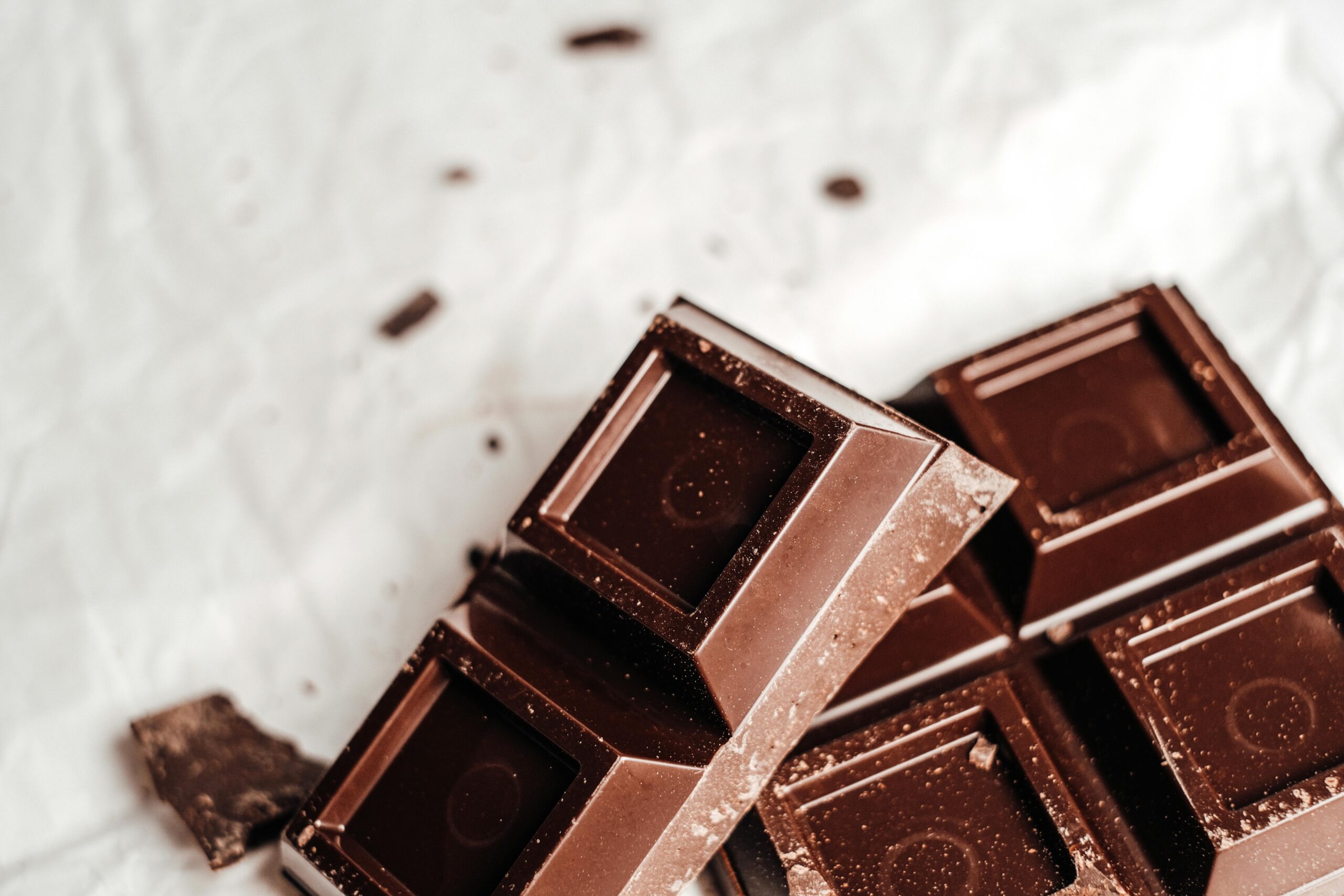
Chocolate desserts pair exceptionally well with drinks featuring complementary flavors like cherry, raspberry, orange, or mint. A dark cherry and vanilla mocktail enhances chocolate cake, while an orange and cardamom drink complements chocolate truffles beautifully.
Fruit-based desserts work best with beverages that either mirror or contrast the fruit flavors. A berry tart pairs wonderfully with a sparkling elderflower drink, while a lemon dessert shines alongside a lavender and honey mocktail.
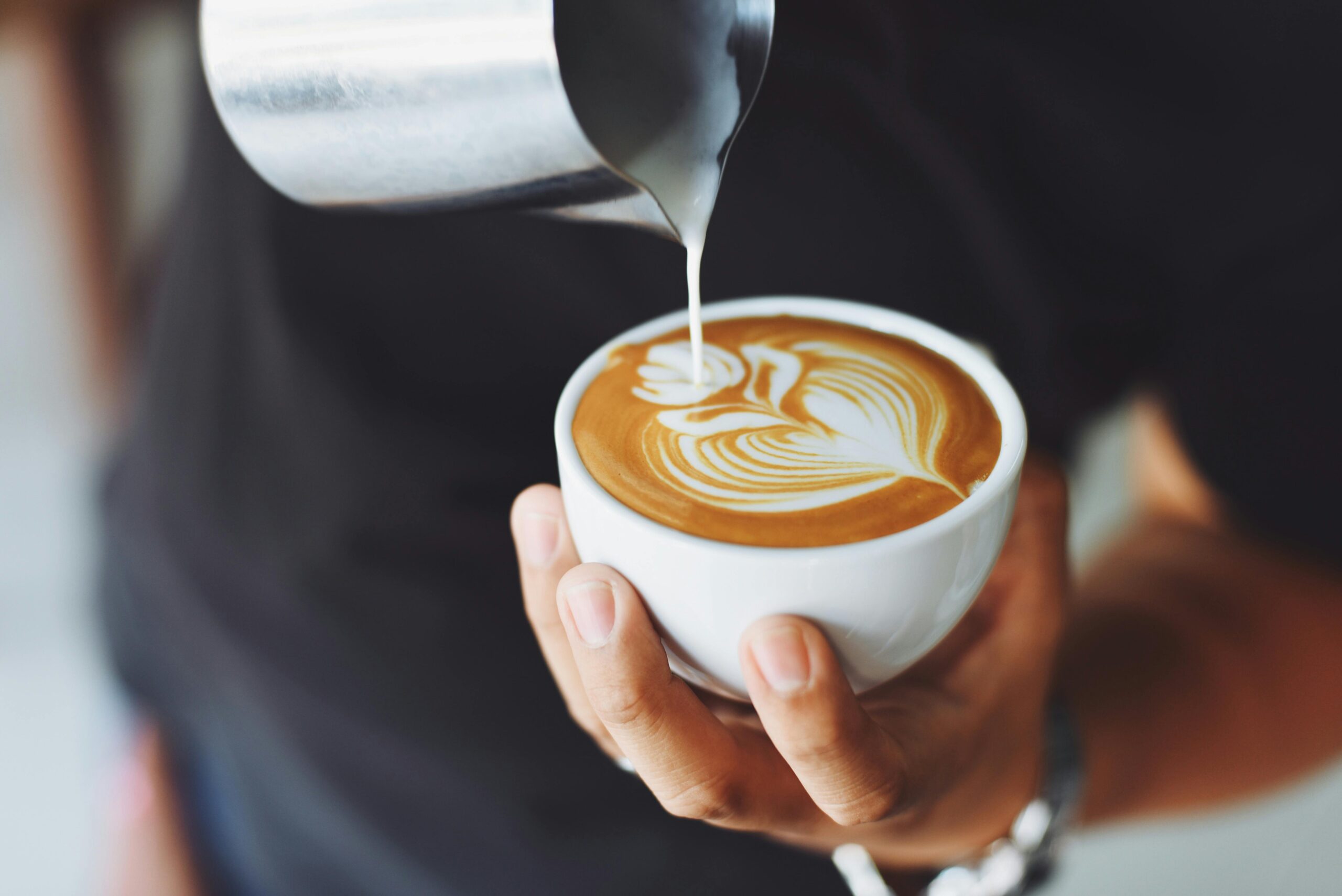
Creamy desserts like panna cotta or crème brûlée benefit from beverages with acidity to cut through richness. Consider coffee-based non-alcoholic drinks, tart passion fruit mocktails, or drinks featuring tangy yogurt or kefir components.
Seasonal Pairing Strategies 🍂
Aligning your beverage choices with seasonal ingredients creates more satisfying and memorable pairings. Seasonal drinking isn’t just about temperature—it’s about matching the flavors and ingredients that naturally complement the season’s foods.
Spring and Summer Lightness
Warmer months call for refreshing beverages that complement lighter fare. Herbs like basil, mint, and cilantro shine in spring drinks, pairing beautifully with fresh salads and grilled vegetables. Summer fruits like watermelon, peach, and strawberry create perfect matches for outdoor dining and barbecue.
Consider sparkling beverages with high carbonation during hot weather—the bubbles provide extra refreshment. Cucumber, citrus, and floral notes work particularly well when temperatures rise.
Fall and Winter Warmth
Cooler months invite richer, spiced beverages that complement heartier comfort foods. Warming spices like cinnamon, nutmeg, and ginger create cozy drinks perfect for roasted meats and root vegetables. Apple, pear, and cranberry-based beverages align naturally with autumn and winter menus.
Don’t overlook hot zero-proof beverages during cold months. Spiced apple cider, herbal teas with complex flavoring, and hot chocolate variations provide warmth while pairing beautifully with seasonal dishes.
Cultural Cuisine Considerations 🌍
Different culinary traditions offer unique opportunities for zero-proof beverage pairings that honor authentic flavor profiles while creating harmonious experiences.
Asian cuisines with complex spice profiles benefit from beverages that provide cooling contrast or complementary heat. Thai dishes pair excellently with coconut-based drinks or lemongrass-infused beverages. Japanese cuisine’s delicate flavors shine alongside subtle green tea-based mocktails or yuzu drinks.
Mediterranean foods with their emphasis on olive oil, herbs, and bright flavors work wonderfully with citrus-forward drinks and herbal infusions. A rosemary and lemon sparkler complements Greek dishes, while a mint and pomegranate mocktail enhances Middle Eastern fare.
Latin American cuisines’ bold flavors call for drinks that can match their intensity. Tamarind, hibiscus, and tropical fruit-based beverages provide authentic pairings for Mexican, Central, and South American dishes.
Creating Your Personal Pairing Portfolio
Developing your pairing expertise requires experimentation and attention to your own preferences. Keep notes on successful combinations, and don’t be afraid to try unconventional pairings—some of the best discoveries come from unexpected matches.
Start by identifying the dominant flavors in both your food and beverage. Ask yourself whether you want to complement, contrast, or create a bridge between flavors. Consider texture as well as taste—smooth drinks can contrast with crunchy foods, while effervescent beverages add textural interest to any dish.
Host tasting events where you experiment with multiple beverage options alongside the same dish. This side-by-side comparison rapidly develops your palate and helps you understand which principles work best for your personal preferences.
Practical Tips for Home Entertaining 🏡
When hosting guests, offering thoughtfully paired zero-proof options demonstrates sophistication and inclusivity. Create a beverage menu that mirrors your food offerings, providing at least two non-alcoholic options that work across multiple courses.
Prepare beverage components in advance—infused simple syrups, herb-steeped waters, and fresh juices can be made ahead and assembled quickly when needed. This allows you to enjoy your gathering while still offering impressive drink options.
Present zero-proof beverages with the same care as alcoholic options. Use appropriate glassware, garnish thoughtfully, and describe the pairing rationale to your guests. This elevates the entire experience and helps everyone appreciate the intentionality behind your choices.
Building Your Zero-Proof Beverage Pantry
Stocking a well-equipped pantry for zero-proof beverage creation enables spontaneous pairing creativity. Essential ingredients include various citrus fruits, fresh herbs, quality sparkling water, and a selection of bitters (which contain minimal alcohol but provide complex flavor).
Invest in specialty ingredients like elderflower cordial, orgeat syrup, shrubs in various flavors, and non-alcoholic spirits designed to mimic traditional alcohol profiles. These products have improved dramatically in recent years, offering genuine complexity and depth.
Keep garnishing ingredients on hand—fresh herbs, edible flowers, quality citrus, and interesting salts or sugars for rim decoration. Presentation significantly impacts perception of flavor and elevates the entire experience.
The Future of Zero-Proof Pairing Excellence
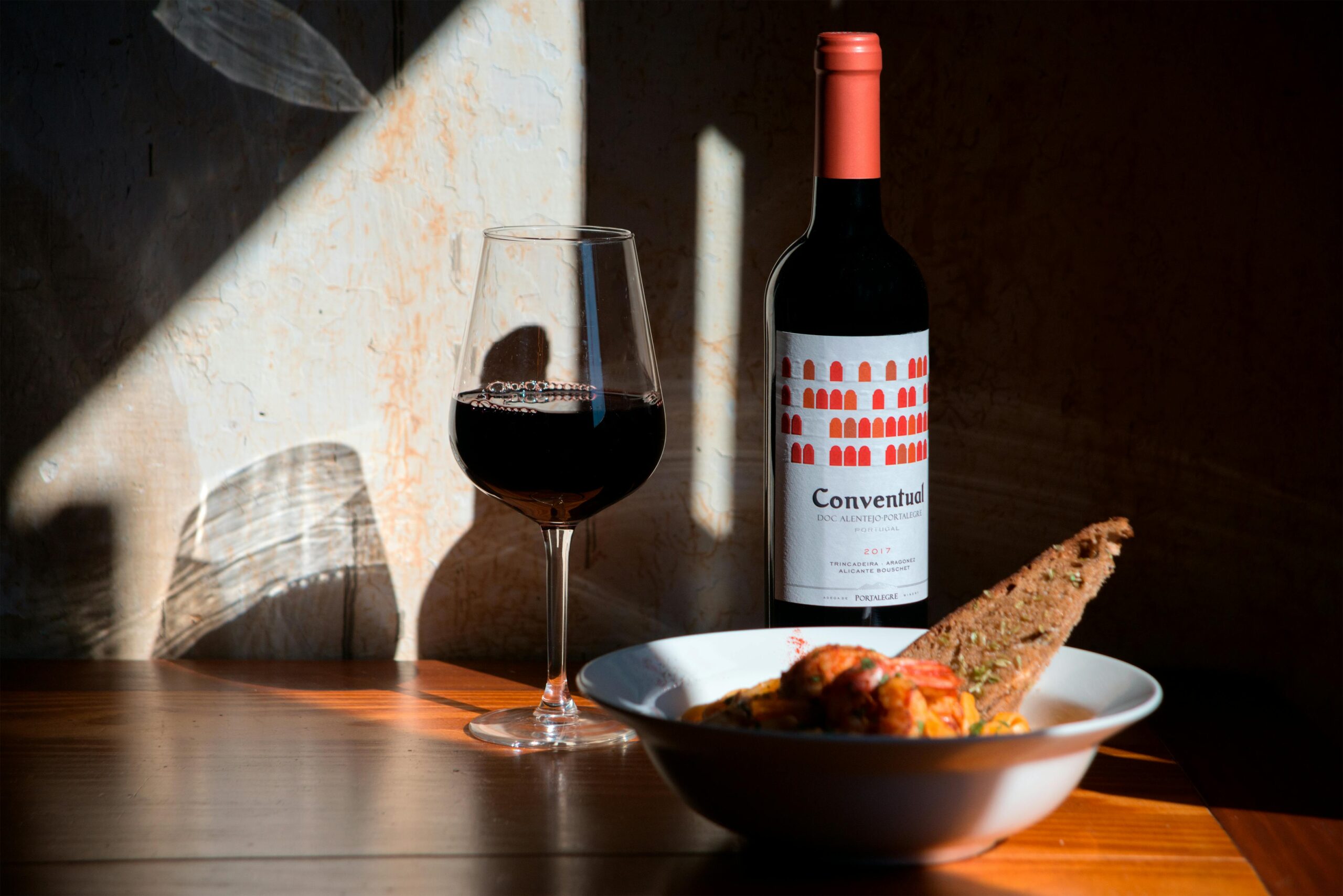
As the sober curious movement continues growing and zero-proof beverages become increasingly sophisticated, the possibilities for creative pairings expand exponentially. Restaurants worldwide now offer dedicated non-alcoholic pairing menus, and home enthusiasts have access to ingredients and information previously available only to professional sommeliers.
This evolution benefits everyone at the table, creating inclusive dining experiences where beverage choices don’t limit culinary enjoyment. Whether you abstain from alcohol completely or simply want options beyond wine and cocktails, mastering zero-proof pairings opens new dimensions of flavor exploration.
The art of pairing food with zero-proof beverages ultimately comes down to curiosity, experimentation, and attention to how flavors interact on your palate. By understanding fundamental principles while remaining open to creative combinations, you’ll discover that the absence of alcohol doesn’t mean the absence of sophistication, complexity, or pure enjoyment. Each meal becomes an opportunity to explore new flavor territories and create memorable experiences that satisfy every sense. The perfect pairing awaits your discovery—all it takes is willingness to taste, adjust, and savor the journey.