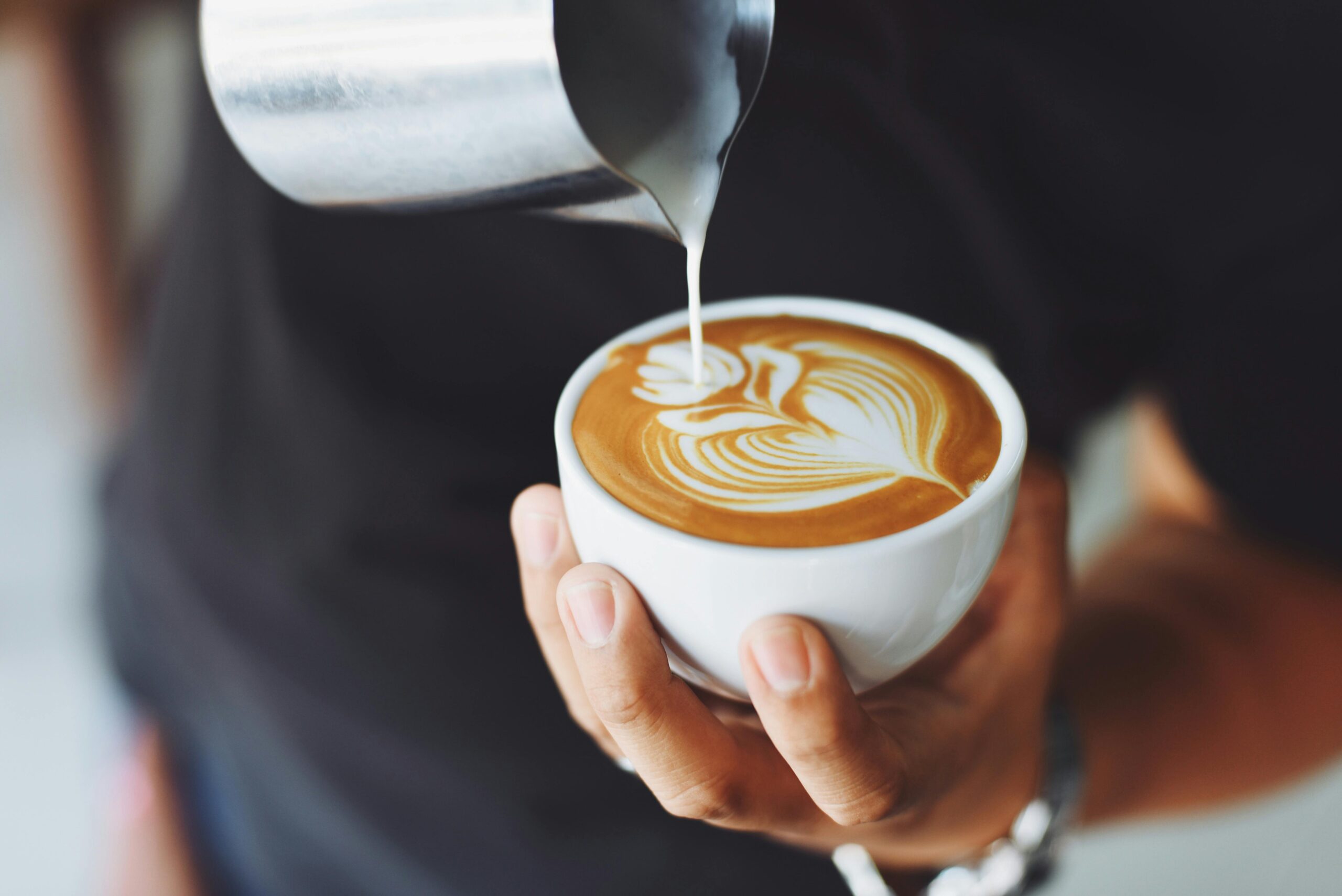
The culinary world is experiencing a sensory revolution, where texture plays a leading role in creating unforgettable dining experiences. From the delicate foam crowning a cappuccino to the fizzy excitement of molecular gastronomy, mastering texture transforms ordinary dishes into extraordinary creations.

Today’s most innovative chefs and home cooking enthusiasts understand that taste alone isn’t enough. The mouthfeel, visual appeal, and interactive elements of foam, fizz, and crush techniques have become essential tools for anyone seeking to elevate their culinary game and create truly memorable dishes that engage all the senses.
🎨 The Science Behind Sensory Excellence
Understanding the science of texture begins with recognizing how our brains process food experiences. Research shows that up to 40% of our enjoyment comes from texture rather than taste alone. When we introduce contrasting textures like airy foam against dense custard or effervescent fizz alongside smooth purees, we activate multiple sensory receptors simultaneously, creating a more complex and satisfying experience.
The physics of these textures involves manipulating air, liquid, and solid states in creative ways. Foams trap air bubbles within a liquid matrix, creating lightness and volume. Fizz introduces carbon dioxide for dynamic movement and subtle acidity. Crush elements provide satisfying crunch and visual drama. Each technique requires specific knowledge of ingredients, temperatures, and tools to achieve consistent results.
Foam: The Art of Ethereal Elegance ☁️
Foam has evolved from simple whipped cream to sophisticated culinary expressions that can carry intense flavors in remarkably light packages. Modern foam techniques range from espuma made with siphons to naturally aerated preparations using lecithin or egg whites. The key to exceptional foam lies in understanding stabilizers and the relationship between fat, protein, and air incorporation.
Essential Foam Techniques for Every Kitchen
Creating restaurant-quality foam at home requires mastering several fundamental approaches. The immersion blender method works beautifully for vegetable and broth-based foams, where you blend rapidly at the surface to incorporate maximum air. For more stable, long-lasting foams, whipping siphons charged with nitrous oxide cartridges provide consistent results and allow for both hot and cold preparations.
Natural stabilizers like soy lecithin have revolutionized foam creation, allowing you to transform any liquid into an airy texture without adding cream or eggs. Just 0.5% lecithin by weight enables vegetables juices, cocktails, or broths to form impressive foams when blended vigorously. The foam remains light and allows the pure flavor of the base ingredient to shine through without dilution.
Flavor Combinations That Shine in Foam Form
Selecting the right flavors for foam applications requires considering how aeration affects taste perception. Delicate flavors become even more subtle when aerated, so you’ll want to intensify your base by reducing liquids or adding concentrated elements. Bright, acidic flavors like citrus work exceptionally well in foam, as do earthy notes from mushrooms or herbs.
Sweet foams pair beautifully with rich desserts, providing contrast without heaviness. A passion fruit foam over chocolate tart, or vanilla bean foam alongside berry compote creates visual drama and textural interest. For savory applications, consider truffle foam over pasta, smoked paprika foam with seafood, or wasabi foam accompanying sushi for modern presentations.
Fizz: Creating Dynamic Culinary Excitement 🥂
The sensation of fizz adds excitement and liveliness to any dish or drink. Carbonation doesn’t just provide bubbles—it affects pH levels, enhances aromatic compounds, and creates a tingling sensation that awakens the palate. From carbonated fruits to effervescent sauces, fizz techniques open endless creative possibilities.
Home Carbonation Methods That Actually Work
Achieving professional carbonation at home has become increasingly accessible. Carbonation systems designed for home use can carbonate almost any liquid, from cocktails to broths. The key is understanding that cold liquids absorb carbon dioxide more effectively than warm ones, and sugar content affects carbonation retention.
For fruits and vegetables, vacuum marination followed by carbonation creates surprising textures and intensifies flavors. Grapes become like natural champagne caviar, while carbonated watermelon offers a refreshing twist. The process involves placing prepared ingredients in a sealed container, introducing CO2 under pressure, and allowing several hours for absorption.
Molecular Fizz: Beyond Traditional Carbonation
Advanced techniques like reverse spherification combined with carbonation create exploding flavor pearls that fizz on the tongue. Using sodium alginate and calcium lactate, you can encapsulate carbonated liquids in delicate membranes that burst with effervescence. This technique works exceptionally well for cocktail garnishes, amuse-bouche presentations, and dessert elements.
Dry ice provides another avenue for creating dramatic fizz effects, though it requires careful handling. When used properly in punch bowls or under serving platters, it creates cascading fog and subtle carbonation. Never place dry ice directly in individual servings, but use it for tableside presentations that add theatrical flair to special occasions.
Crush: The Power of Satisfying Crunch 💥
Textural contrast through crushed, crumbled, and crunchy elements provides both auditory and tactile satisfaction. The sound of crunching activates pleasure centers in our brains, while the textural variety keeps each bite interesting. From delicate tuile shards to robust nut pralines, crush elements serve as both garnish and integral components.
Freeze-Dried Magic for Intense Crunch
Freeze-dried ingredients have transformed textural possibilities in modern cooking. The process removes moisture while preserving intense flavor and creating an ultra-crisp texture. Freeze-dried fruits can be crushed into vibrant powders or left as crunchy whole pieces. Strawberries, raspberries, and passion fruit work particularly well, adding both color and concentrated taste.
Creating your own freeze-dried elements requires specialized equipment, but purchasing commercial freeze-dried products and incorporating them creatively offers excellent results. Crush freeze-dried raspberries over panna cotta, sprinkle powdered freeze-dried mango on ice cream, or incorporate crushed freeze-dried corn into breadings for unique flavor layers.
Tempering and Texture: The Chocolate Connection
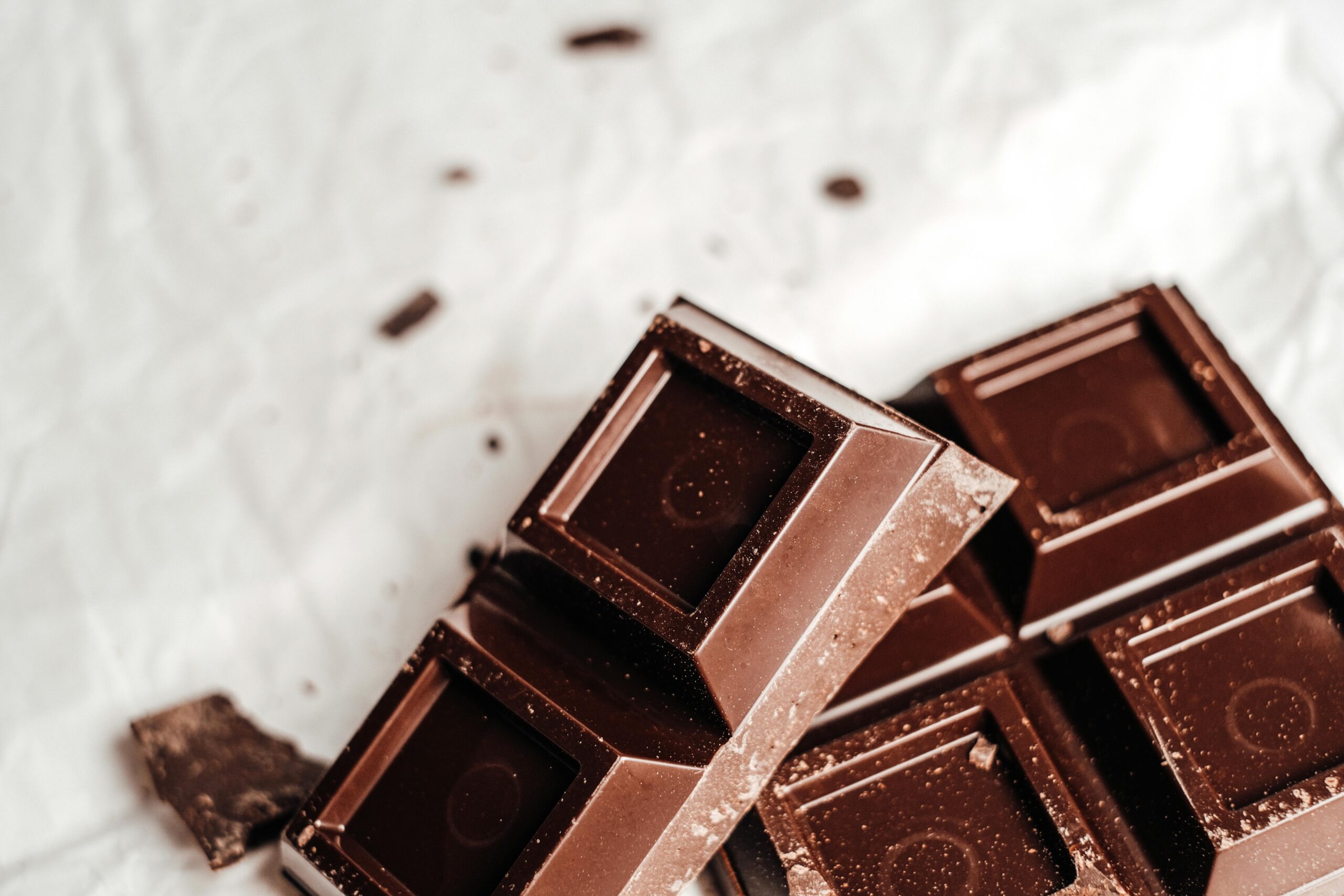
Properly tempered chocolate provides the perfect crush—a clean snap followed by smooth melting. Understanding chocolate tempering allows you to create thin shards, curls, and decorative elements that add sophistication to desserts. The technique involves precise temperature control: melting to 45°C (113°F), cooling to 27°C (81°F), then warming to 31°C (88°F) for dark chocolate.
Beyond traditional applications, tempered chocolate can be combined with other crush elements. Mix crushed freeze-dried berries into tempered chocolate for fruit-studded bark, or spread thin layers over textured surfaces before breaking into dramatic shards. These elements transform simple desserts into restaurant-worthy presentations.
🍽️ Combining Techniques for Maximum Impact
The true mastery comes from thoughtfully combining foam, fizz, and crush elements within a single dish. A deconstructed key lime pie might feature lime foam, fizzy compressed cucumber, and crushed graham cracker tuile. The interplay of textures creates a dynamic eating experience where each bite offers something new.
Consider temperature contrast alongside texture variety. A warm chocolate fondant with cold vanilla foam and crushed praline provides thermal and textural excitement. The foam melts into the warm cake while the praline maintains its crunch, creating layers of sensation that unfold as you eat.
Building a Textural Framework
When designing dishes with multiple textures, establish a framework that guides the experience. Start with a base element that provides substance—a protein, starch, or rich component. Add a contrasting soft texture like foam or purée, then introduce crunch through crush elements. Finally, consider whether fizz would add excitement without overwhelming other components.
Balance is essential. Too many competing textures create confusion rather than harmony. Limit yourself to three or four distinct textures per dish, ensuring each has a clear purpose. The foam should enhance rather than mask, the fizz should refresh rather than dominate, and the crush should punctuate rather than overwhelm.
Tools and Equipment Worth the Investment 🔧
While creativity matters more than equipment, certain tools significantly expand your textural repertoire. An immersion blender serves as the foundation for foam work, offering versatility and ease of use. Look for models with variable speed control and enough power to maintain consistent blending without overheating.
A whipping siphon opens professional-level foam possibilities. Quality siphons maintain pressure effectively and distribute gas evenly throughout the mixture. They’re particularly valuable for hot foams, which are difficult to achieve through other methods. Invest in extra chargers and experiment with both half-liter and one-liter sizes depending on your needs.
Specialized Tools for Advanced Techniques
For serious texture enthusiasts, a vacuum sealer enables compression and rapid infusion techniques. Compressed fruits develop intensified flavors and modified textures, while vacuum-marinated ingredients absorb seasonings deeply. This tool bridges traditional cooking and modern techniques, offering applications beyond texture work in sous vide cooking and food preservation.
Digital thermometers with quick response times become crucial for tempering chocolate and monitoring foam temperatures. Precision matters when working with temperature-sensitive techniques, and investing in reliable measurement tools prevents frustration and wasted ingredients. Look for waterproof models with wide temperature ranges.
Overcoming Common Texture Challenges ⚡
Even experienced cooks encounter texture troubles. Foams that collapse immediately often lack sufficient stabilizer or contain too much fat, which inhibits bubble formation. Add more lecithin or gelatin, and ensure you’re incorporating enough air during blending. Temperature also affects stability—most foams hold better when served immediately at their intended temperature.
Carbonation that fades quickly typically results from inadequate chilling or insufficient pressure. Ensure liquids are thoroughly cold before carbonating, and maintain pressure for at least several hours. Sugar content helps retain carbonation, so consider adjusting sweetness in beverages meant to stay fizzy longer.
Texture Timing and Service Strategies
Managing texture elements during service presents unique challenges. Prepare crush components ahead and store them in airtight containers with desiccant packets to maintain crispness. Foam bases can be prepared in advance, but aerate them just before plating. For fizzy elements, time preparation so carbonation remains active when served.
Consider the dining timeline when planning textural elements. A seven-course tasting menu allows for last-minute texture additions between courses, while buffet service requires more stable preparations. Match your texture ambitions to the service style, accepting that some techniques work better in certain contexts.
Flavor and Texture: The Inseparable Partnership 🌟
Texture without flavor is merely novelty, but flavor enhanced by texture becomes extraordinary. When planning textural elements, ensure they contribute meaningfully to the overall taste profile. A foam should intensify existing flavors or provide complementary contrast, not simply add visual interest.
Seasonal ingredients naturally inspire textural treatments. Spring peas become vibrant foam, summer berries gain intensity through freeze-drying and crushing, autumn’s carbonated apple cider sparkles with harvest flavors, and winter citrus foams brighten rich braises. Allow ingredients to guide technique selection rather than forcing textures onto inappropriate applications.

Taking Your Textural Skills Forward 🚀
Mastering foam, fizz, and crush techniques represents an ongoing journey rather than a destination. Start with one technique that excites you most, practice until it becomes intuitive, then gradually expand your repertoire. Document your experiments, noting what works and what needs adjustment. Photography helps track visual progress while written notes capture technical details.
Join online communities focused on modern cooking techniques. Sharing experiences with fellow enthusiasts provides inspiration, troubleshooting assistance, and exposure to creative applications you might not discover independently. Many professional chefs generously share knowledge through social media, offering glimpses into high-level technique applications.
The sensory revolution in texture isn’t about fancy equipment or expensive ingredients—it’s about understanding how different structures affect our perception and enjoyment of food. Whether you’re preparing a simple weeknight dinner or an elaborate celebration meal, incorporating thoughtful textural elements elevates the experience from merely eating to truly dining.
By mastering foam’s ethereal lightness, fizz’s dynamic excitement, and crush’s satisfying crunch, you gain powerful tools for creating memorable culinary moments. These techniques transform familiar ingredients into new experiences, surprise guests with unexpected sensations, and demonstrate that cooking is both art and science. The journey toward textural mastery offers endless creativity and the deep satisfaction of crafting dishes that engage every sense.