The mocktail revolution is here, and it’s time to stop settling for flat, uninspired non-alcoholic drinks. Mastering bitters and syrups transforms simple ingredients into sophisticated beverages that rival any cocktail bar creation.

Gone are the days when abstaining from alcohol meant relegating yourself to sugary sodas or plain sparkling water. Today’s zero-proof movement celebrates complexity, depth, and artistry in every glass. The secret weapons? Bitters and syrups—two powerful ingredients that professional bartenders have relied on for centuries to create memorable flavor profiles.
🍹 Why Bitters and Syrups Are Your Mocktail Secret Weapons
Bitters and syrups serve fundamentally different but complementary roles in mocktail construction. While syrups provide sweetness, body, and flavor foundation, bitters add complexity, balance, and that essential “bite” that makes drinks feel complete and adult.
Traditional cocktails rely heavily on the complexity of spirits—their botanical infusions, barrel aging, and fermentation processes. When you remove alcohol from the equation, you lose these layers. This is precisely where artisanal bitters and thoughtfully crafted syrups step in, filling the flavor void with aromatic compounds, herbal notes, and balanced sweetness.
Professional mixologists understand that a few dashes of the right bitters can elevate a simple citrus and soda combination into something restaurant-worthy. Similarly, a homemade herb-infused syrup transforms ordinary sparkling water into a conversation-starting beverage.
Understanding Bitters: The Aromatic Powerhouse
Bitters are concentrated flavor extracts made by infusing botanicals, herbs, spices, roots, and fruits into a high-proof alcohol base. While they do contain alcohol, the amount used in drinks (typically just a few dashes) is negligible—usually less than what’s found naturally in ripe fruit.
Types of Bitters for Mocktail Creation
The bitters landscape has expanded dramatically beyond the classic Angostura. Each variety brings distinct characteristics to your zero-proof creations:
- Aromatic bitters: The foundation of any bitters collection, featuring warming spices like cinnamon, clove, and cardamom with bitter gentian root
- Citrus bitters: Bright and zesty, perfect for tropical and refreshing mocktails with orange, lemon, or grapefruit profiles
- Herbal bitters: Featuring botanicals like mint, lavender, or rosemary for garden-fresh complexity
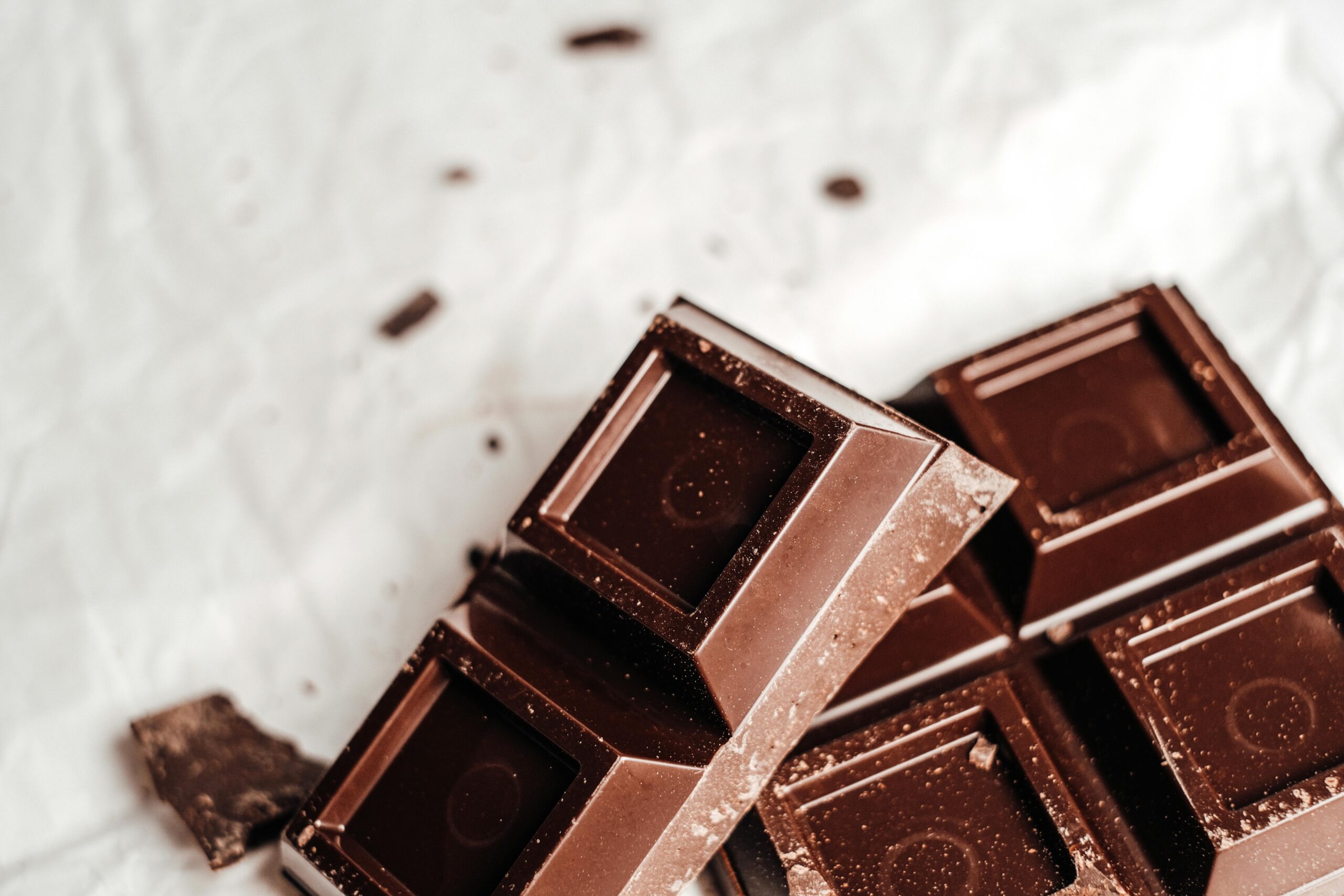
- Chocolate or coffee bitters: Adding depth and richness to cream-based or dessert-style mocktails
- Fruit bitters: Concentrated essence of cherry, peach, or berry for natural sweetness enhancement
When selecting bitters for your home bar, start with aromatic and citrus varieties as your base. These two types work across the widest range of flavor profiles and provide the most versatility.
Working With Bitters: Dosage and Technique
The cardinal rule with bitters is restraint. These concentrated extracts pack extraordinary punch—typically 2-4 dashes suffice for a single serving. A “dash” equals approximately 1/8 teaspoon, though dasher bottles make precise measurement unnecessary.
Add bitters at different stages to achieve varying effects. Incorporating them early allows flavors to integrate fully with other ingredients. Adding a final dash on top of the finished drink creates an aromatic experience as soon as the glass reaches your nose.
🌿 Crafting Homemade Syrups: Your Flavor Canvas
While quality commercial syrups exist, homemade versions offer unmatched freshness, customization, and cost-effectiveness. Simple syrup—the foundation of all flavored syrups—requires just equal parts sugar and water heated until dissolved.
This basic formula becomes your blank canvas. From here, you can infuse endless flavors by adding herbs, spices, fruits, flowers, or combinations thereof during the heating process or while the syrup cools.
Essential Syrup Recipes for Your Mocktail Arsenal
Building a core collection of versatile syrups prepares you for spontaneous mocktail creation. These foundational recipes adapt to countless variations:
Ginger Honey Syrup: Combine one cup honey, one cup water, and a four-inch piece of sliced fresh ginger. Simmer for 15 minutes, strain, and store refrigerated for up to three weeks. This syrup adds warming spice and natural sweetness to citrus-based mocktails.
Herb Garden Syrup: Use the basic simple syrup ratio but add a generous handful of fresh herbs—rosemary, thyme, basil, or mint work beautifully. Remove from heat, let steep for 30 minutes, then strain. Herb syrups bring sophisticated, savory notes that balance sweet and sour elements.
Vanilla Bean Syrup: Split two vanilla beans lengthwise and scrape seeds into your simple syrup base while heating. Add the pods too for maximum flavor extraction. This creates a luxurious foundation for cream-based mocktails and pairs exceptionally with coffee or chocolate bitters.
Seasonal Fruit Shrub: Technically a drinking vinegar, shrubs combine fruit, sugar, and vinegar for tangy, complex syrups. Macerate two cups chopped fruit with one cup sugar overnight, strain, then add one cup apple cider vinegar. The acidity mimics the brightness alcohol typically provides.
Advanced Syrup Techniques
Once you’ve mastered basic infusions, experiment with these professional approaches:
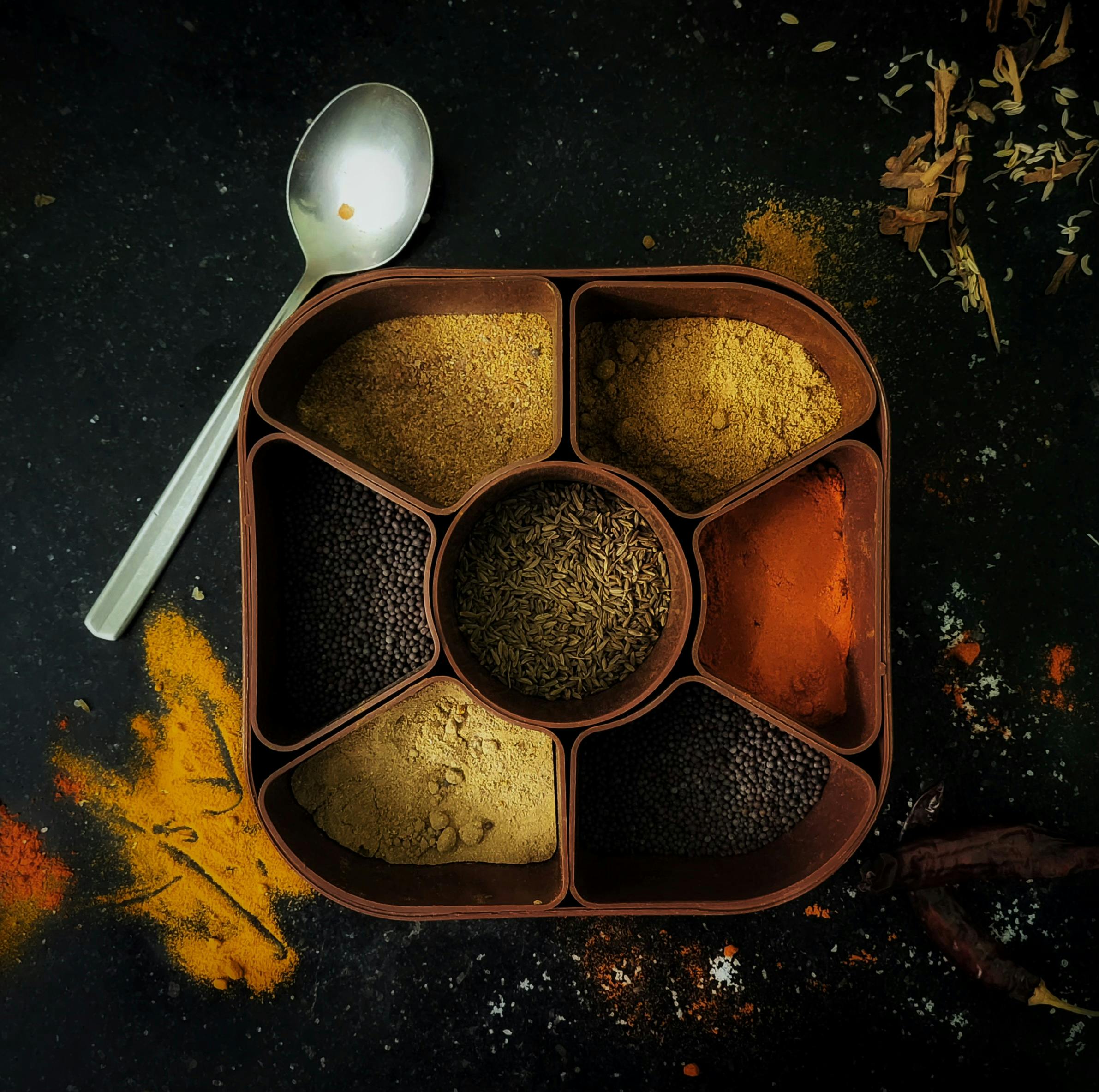
Toast your spices before adding them to syrups. This technique releases essential oils and deepens flavors dramatically. Cinnamon sticks, cardamom pods, and coriander seeds benefit especially from light toasting in a dry pan.
Create layered flavors by combining multiple ingredients with varying infusion times. Add hardy ingredients like citrus peels or cinnamon at the beginning, then delicate herbs or flowers during the cooling phase to preserve their subtle aromatics.
Adjust your sugar-to-water ratio based on intended use. Standard 1:1 simple syrup works for most applications, but rich syrup (2:1 sugar to water) provides more sweetness per volume and extends shelf life.
Building Balanced Mocktails: The Formula
Professional mocktail construction follows the same principles as traditional mixology—balancing sweet, sour, bitter, and aromatic elements into harmonious whole. Understanding this framework empowers you to create original recipes rather than merely following formulas.
The Core Components
Every successful mocktail contains these essential elements in varying proportions:
- Base: Non-alcoholic spirit, tea, juice, or flavored water providing the primary flavor
- Sweet: Your homemade syrups balancing acidity and bitterness
- Sour: Fresh citrus juice, shrubs, or kombucha adding brightness
- Bitter/Aromatic: Bitters providing complexity and adult sophistication
- Dilution: Sparkling water, tonic, or still water achieving proper strength
A typical ratio might be 2 parts base, 1 part sweet, 1 part sour, 2-4 dashes bitters, topped with dilution to taste. This guideline adjusts based on ingredient intensity and personal preference.
Practical Flavor Pairing Strategies
Certain flavor combinations consistently deliver outstanding results. These proven pairings serve as launchpads for experimentation:
| Syrup Base | Complementary Bitters | Ideal Citrus | Perfect For |
|---|---|---|---|
| Ginger Honey | Aromatic or Citrus | Lemon or Lime | Refreshing daytime drinks |
| Lavender | Citrus or Herbal | Grapefruit | Elegant evening mocktails |
| Vanilla Bean | Chocolate or Coffee | Orange | Dessert-style beverages |
| Rosemary | Grapefruit or Aromatic | Lime | Savory, complex drinks |
| Berry Shrub | Aromatic or Fruit | Lemon | Bright, celebratory mocktails |
✨ Signature Mocktail Recipes to Master
These recipes demonstrate how bitters and syrups work together to create restaurant-quality zero-proof beverages you’ll be proud to serve.
The Garden Refresher
This herbaceous mocktail showcases how simple ingredients create sophisticated results. Muddle four cucumber slices with 0.75 oz rosemary syrup in a shaker. Add 1 oz fresh lime juice, 2 oz premium tonic water, and 3 dashes grapefruit bitters. Shake with ice, strain over fresh ice in a highball glass, and top with sparkling water. Garnish with a rosemary sprig and cucumber ribbon.
The rosemary syrup provides an aromatic foundation while grapefruit bitters add citrus complexity without additional fruit. The cucumber offers cooling freshness, creating a perfectly balanced summer sipper.
Spiced Apple Mocktail Mule
Combine 2 oz fresh apple juice, 0.75 oz ginger honey syrup, 0.5 oz lemon juice, and 4 dashes aromatic bitters in a copper mug filled with ice. Top with ginger beer and stir gently. Garnish with apple slices and a cinnamon stick.
This mocktail demonstrates layering similar flavors for depth—ginger appears in both the syrup and ginger beer, while aromatic bitters echo the warming spices in both elements. The result tastes intentional and complex rather than one-dimensional.
Midnight Garden
For an elegant evening option, shake 1.5 oz cold-brewed hibiscus tea, 0.75 oz lavender syrup, 0.75 oz lemon juice, and 3 dashes citrus bitters vigorously with ice. Double-strain into a coupe glass and top with a splash of sparkling wine alternative or high-quality sparkling water. Express lemon peel over the drink and discard.
The floral notes from lavender and hibiscus create a sophisticated profile, while citrus bitters brighten the naturally tart hibiscus. This mocktail proves zero-proof drinks can be just as celebration-worthy as champagne cocktails.
Advanced Techniques for Mocktail Excellence
Clarification for Crystal-Clear Syrups
Professional bartenders often clarify fruit syrups using milk washing or agar clarification techniques. While optional, clarification removes cloudiness and creates visually stunning drinks with pure, bright flavors.
For basic clarification, mix your finished syrup with a small amount of egg white, freeze overnight, then strain through coffee filters. The proteins bind to particles causing cloudiness, leaving crystal-clear syrup behind.
Smoke and Aromatics
Adding smoke to mocktails creates depth typically associated with aged spirits. Use a smoking gun with wood chips, or simply place a glass upside down over smoldering rosemary or cinnamon. Trap the smoke inside before building your drink.
Aromatic mists also enhance the drinking experience. Use a small spray bottle to mist herb-infused water or floral essences over the finished drink, creating an aromatic cloud that engages the senses before the first sip.
Temperature and Texture Considerations
Professional drinks consider temperature and texture as carefully as flavor. Serve refreshing citrus-based mocktails ice-cold in chilled glasses. Rich, creamy drinks benefit from slightly warmer serving temperatures that allow flavors to bloom.
Texture matters too. Shaking drinks with ice creates tiny air bubbles and dilution that soften harsh edges. Stirring maintains clarity and creates silky mouthfeel. Choose your technique based on desired results.
🛒 Stocking Your Zero-Proof Bar
Building an effective mocktail station requires strategic investment in quality ingredients and tools. Unlike spirits that last indefinitely, fresh ingredients form the foundation of excellent zero-proof drinks.
Essential Ingredients
Maintain a core inventory of versatile building blocks. Fresh citrus fruits—lemons, limes, grapefruits, and oranges—are non-negotiable. Rotate through seasonal produce for syrup inspiration. Keep high-quality sparkling water, ginger beer, and premium tonic waters stocked.
Invest in 3-4 varieties of quality bitters. Store dried spices, herbs, and vanilla beans for syrup creation. A selection of quality teas—green, black, herbal, and floral—provides endless base options.
Equipment That Makes a Difference
You don’t need extensive bar equipment, but certain tools elevate results significantly. A cocktail shaker, mixing glass, strainer, and jigger ensure proper technique and proportions. A citrus juicer extracts maximum juice efficiently. A muddler releases essential oils from herbs and fruits.
For syrup production, invest in fine-mesh strainers, clean glass bottles with tight-sealing lids, and labels for tracking creation dates. A kitchen scale allows precise recipe replication.
Troubleshooting Common Mocktail Challenges
Even experienced mixologists encounter occasional mocktail missteps. Understanding common problems and their solutions improves your results dramatically.
Too sweet: If your mocktail tastes cloying, add fresh citrus juice, increase bitter components, or dilute with unsweetened sparkling water. Proper balance requires all flavor elements working together.
Flat or boring: Lacking complexity usually means insufficient bitter or aromatic elements. Add another dash or two of bitters, incorporate an aromatic garnish, or introduce contrasting flavors through a different syrup.
Too bitter: While bitters add essential complexity, heavy-handedness creates unpleasant astringency. Balance excessive bitterness with additional sweetener or citrus juice rather than starting over.
Watery or weak: Over-dilution from excessive ice or too much sparkling water dilutes carefully crafted flavors. Use less ice, larger ice cubes that melt slower, or reduce dilution ratios.
Embracing the Zero-Proof Lifestyle
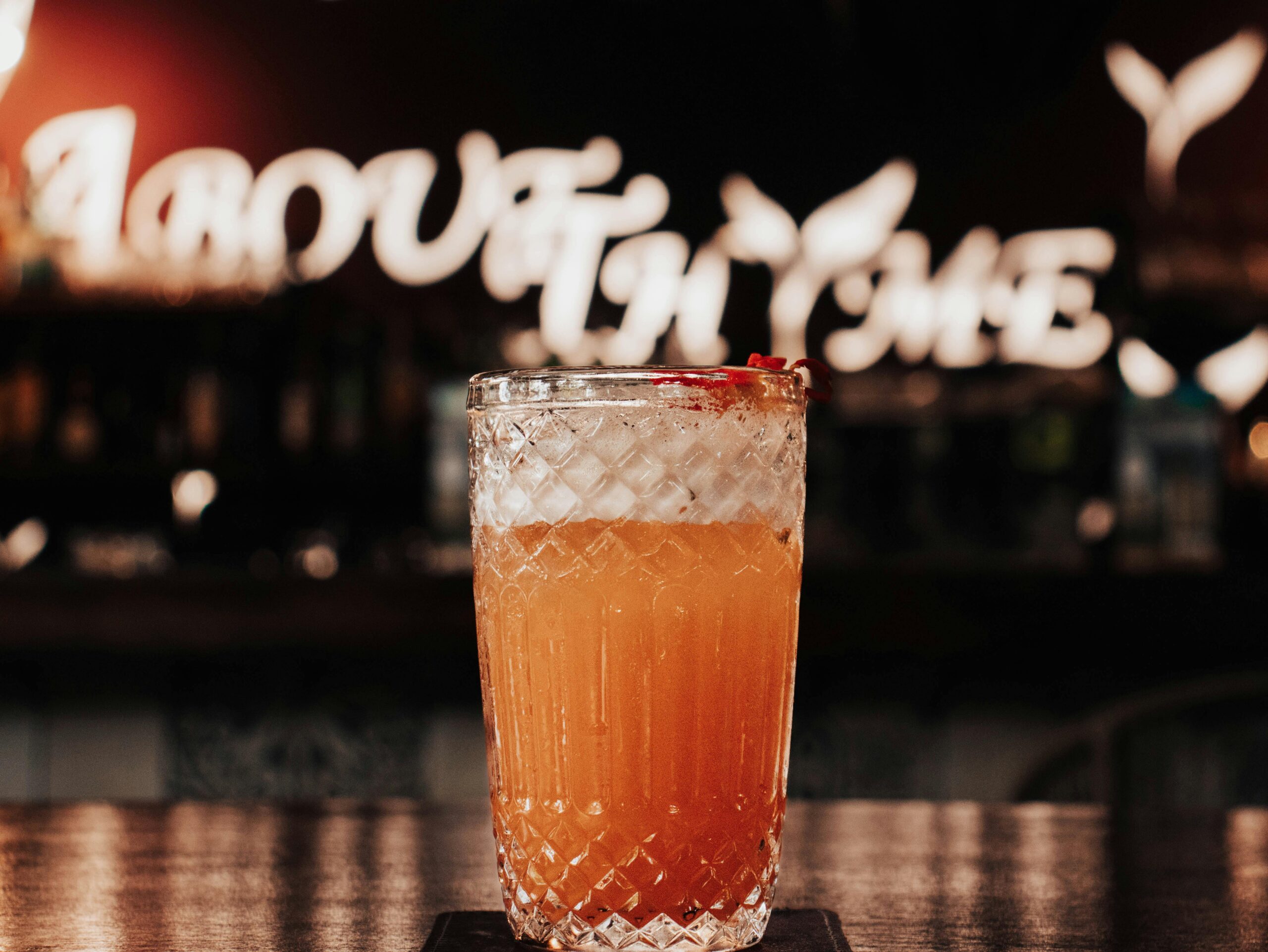
Mastering bitters and syrups transcends simple beverage preparation—it represents a commitment to intentional drinking and sophisticated flavor experiences regardless of alcohol content. These skills position you as a thoughtful host who ensures all guests enjoy memorable drinks.
The beauty of zero-proof mixology lies in its accessibility and creativity. Unlike craft cocktails requiring expensive spirits and professional training, exceptional mocktails emerge from fresh ingredients, quality bitters, homemade syrups, and thoughtful technique. Anyone can achieve professional results with practice and attention to balance.
As the mocktail movement continues gaining momentum, your mastery of these fundamental ingredients sets you apart. Whether hosting sophisticated dinner parties, seeking alternatives to alcoholic beverages, or simply exploring creative expression through drinks, bitters and syrups unlock endless possibilities. The elevated zero-proof game isn’t about what you’re missing—it’s about discovering complex, nuanced flavors that deserve celebration in their own right.
Start experimenting today. Create your first batch of homemade syrup, invest in quality bitters, and begin developing your signature mocktail repertoire. Your journey toward zero-proof mastery begins with a single, perfectly balanced sip. 🥂