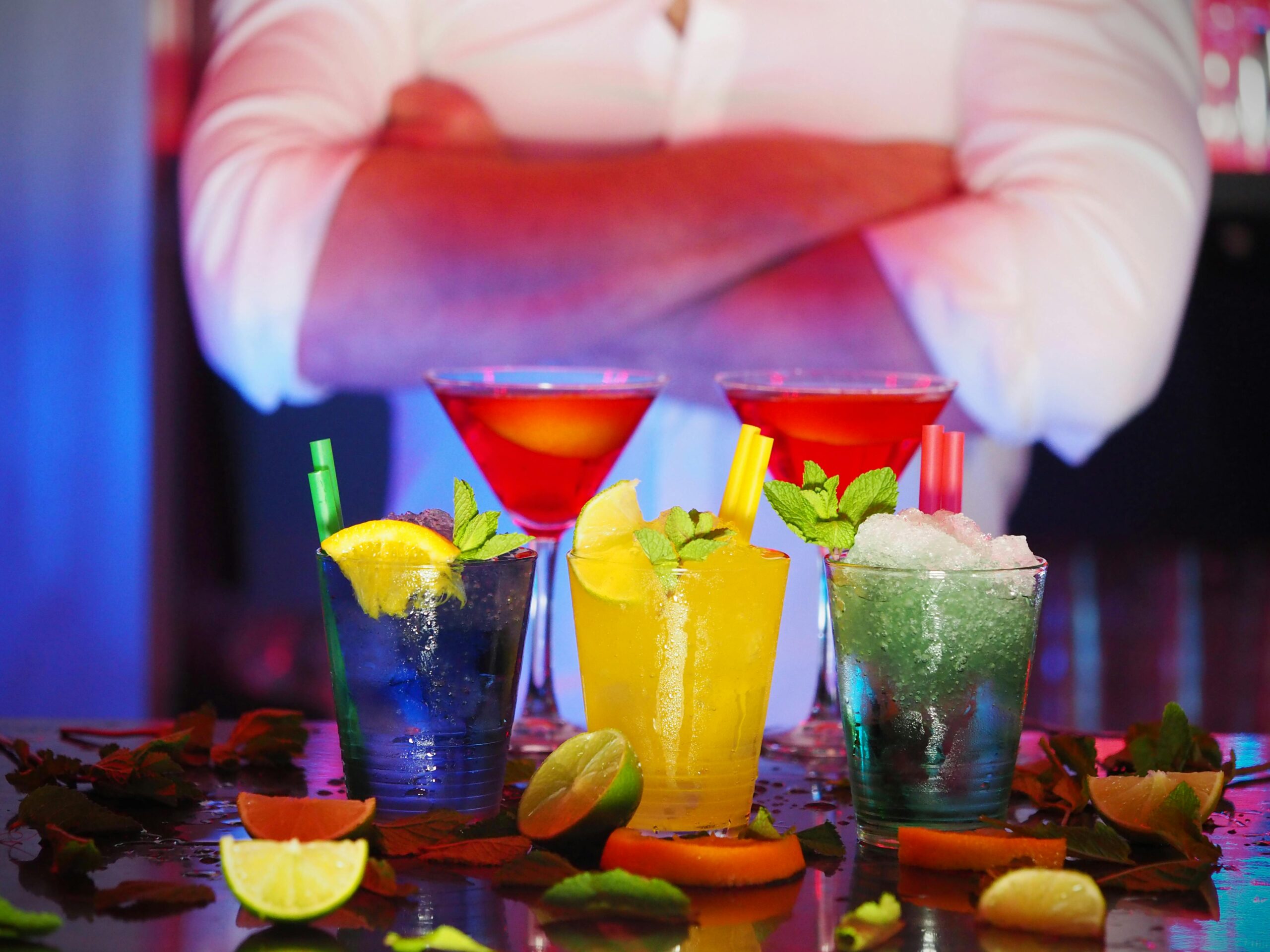
The art of crafting beautiful zero-proof drinks has evolved far beyond simply skipping the alcohol. Today’s mocktails deserve garnishes that rival their spirited counterparts.

Whether you’re hosting a sophisticated dinner party, running a trendy bar, or simply elevating your everyday hydration, the right garnish transforms a simple beverage into an Instagram-worthy masterpiece. These next-level garnishing techniques will help you create drinks that look as spectacular as they taste, proving that alcohol-free doesn’t mean flavor-free or style-free.
🌿 Why Garnishes Matter More Than Ever in the Alcohol-Free Movement
The zero-proof cocktail revolution has taken the beverage world by storm, with more people embracing mindful drinking without sacrificing sophistication. Garnishes play a crucial role in this transformation, engaging multiple senses before the first sip even touches your lips.
A well-executed garnish provides visual appeal, aromatic enhancement, and can even add complementary flavors to your mocktail. It signals to your guests that their alcohol-free option was crafted with the same care and attention as any premium cocktail. In the world of non-alcoholic beverages, presentation isn’t just decoration—it’s an essential component of the drinking experience.
Professional bartenders understand that garnishes serve functional purposes beyond aesthetics. They can balance sweetness, add textural contrast, provide aromatic complexity, and create anticipation for the flavors to come. When you invest time in thoughtful garnishing, you’re showing respect for the drink and the person enjoying it.
🍊 Citrus Beyond the Basic Wheel
Everyone knows the classic lemon wedge or lime wheel, but modern mocktail garnishing takes citrus to extraordinary new heights. These techniques transform ordinary citrus fruits into architectural elements that command attention.
Dehydrated Citrus Wheels
Dehydrated citrus creates stunning translucent discs that look like stained glass windows on your drink. Simply slice lemons, limes, oranges, or grapefruits into thin rounds and dry them in a low oven or dehydrator for several hours. The result is a lightweight, beautiful garnish that won’t sink and maintains its appearance throughout the drink’s life.
These dehydrated beauties can be stored for weeks, making them perfect for busy home entertainers. They work especially well with botanical sodas, citrus-forward mocktails, and herbal tonics. Experiment with blood oranges for dramatic color or Meyer lemons for subtle sweetness.
Flamed Citrus Peels
Though traditionally associated with cocktails, expressing citrus oils over a flame creates theatrical aromatics that work beautifully with zero-proof drinks. The technique involves holding a flame near the drink while squeezing a citrus peel skin-side down, releasing volatile oils that briefly ignite.
This adds a smoky, caramelized citrus aroma that elevates the entire drinking experience. It pairs wonderfully with dark, complex mocktails featuring notes of coffee, chocolate, or spice. The visual spectacle also makes guests feel special, reinforcing that their alcohol-free choice is equally celebrated.
Citrus Twists and Spirals
Using a channel knife or vegetable peeler, create long, elegant spirals of citrus peel that can be twisted around bar spoons, draped over glass rims, or formed into rosettes. These add height and drama to your presentation while providing intermittent bursts of essential oil aromatics as guests sip.
🌺 Edible Flowers and Herb Arrangements
Florals have become signature elements in modern mocktail culture, bringing garden-fresh beauty and delicate flavors to alcohol-free beverages. The key is selecting varieties that are genuinely edible and complement your drink’s flavor profile.
Best Edible Flowers for Mocktails
Not all flowers belong in your drink. Stick with certified edible varieties like pansies, violas, nasturtiums, borage, hibiscus, lavender, rose petals, and marigolds. Each brings unique colors and subtle flavor notes that can enhance your beverage.
Pansies and violas offer stunning color variations without strong flavors, making them versatile for nearly any drink. Nasturtiums add a peppery kick perfect for savory mocktails. Hibiscus provides tartness and vibrant color, while lavender brings calming floral notes ideal for evening refreshments.
Always source edible flowers from reputable suppliers or grow your own. Never use flowers from florists, as these are typically treated with non-food-safe chemicals. Rinse flowers gently before use and pat dry carefully to preserve their delicate structure.
Herb Bouquet Garnishes
Create miniature herb bouquets using combinations like mint, basil, and thyme tied together with kitchen twine. These aromatic clusters provide multiple scent layers that evolve as guests interact with their drinks.
For added impact, gently slap herbs between your palms before garnishing to release their essential oils. This activates aromatics that will greet your guests with each sip. Rosemary sprigs can be lightly torched for a smoky dimension, while Thai basil adds unexpected anise notes to tropical mocktails.
❄️ Frozen and Ice-Based Artistic Elements
Ice doesn’t have to be boring cubes that simply chill your drink. Innovative frozen garnishes serve dual purposes as both decoration and functional components that enhance flavor as they melt.
Floral and Herb Ice Cubes
Freeze edible flowers, herbs, or citrus pieces inside ice cubes for a surprise element that reveals itself as the drink is enjoyed. Use distilled water for crystal-clear results, and freeze in layers for best positioning of botanical elements.
These work particularly well in tall glasses where the ice is visible. Consider color coordination—purple pansies in lavender lemonade, mint leaves in cucumber coolers, or pomegranate seeds in cranberry spritzers. The melting ice subtly infuses additional flavor throughout the drinking experience.
Large Format Ice Spheres
Oversized ice spheres melt slowly and create an upscale presentation that signals quality. Use sphere molds to create perfectly round ice, or freeze water in balloons for irregular organic shapes.
For next-level presentation, create hollow ice spheres with flowers or herbs suspended inside. This requires specialty molds but creates jaw-dropping results that will have guests reaching for their cameras before taking a sip.
Colored Ice for Visual Drama
Freeze natural juices, herbal teas, or butterfly pea flower water to create colored ice that gradually changes your drink’s hue as it melts. This adds an interactive element that keeps the beverage interesting from first pour to final sip.
Butterfly pea flower ice is particularly magical, as it creates color-changing effects when introduced to acidic ingredients. Watch as deep blue ice transforms a clear drink into shades of purple and pink—pure beverage theatre that requires no alcohol whatsoever.
🍬 Sweet and Savory Rim Treatments
The rim of your glass provides prime real estate for flavor enhancement and visual impact. Moving beyond simple salt or sugar opens up endless creative possibilities for zero-proof drinks.
Spiced and Flavored Sugars
Create custom rim sugars by blending granulated sugar with spices, dried citrus zest, freeze-dried fruits, or edible glitter. Cardamom-rose sugar, chili-lime salt, or lavender-vanilla sugar each transforms an ordinary glass into something special.
To apply, run a citrus wedge around the glass rim, then dip into your custom mixture. For partial rims that allow guests to choose their intensity, coat only half the glass circumference. This technique works beautifully with sparkling mocktails where the bubbles interact with the rim coating.
Crushed Freeze-Dried Fruits
Pulverize freeze-dried strawberries, raspberries, mango, or pineapple into fine powders for intensely flavored, vibrantly colored rim treatments. These provide concentrated fruit flavor without moisture that might make rims soggy.
Combine freeze-dried fruit powders with sugar or salt for balanced flavor profiles. Strawberry-basil sugar works wonderfully on summer mocktails, while lime-coconut combinations complement tropical zero-proof drinks perfectly.
Savory Rim Options
Don’t limit rim garnishes to sweet applications. Savory mocktails benefit from treatments like everything bagel seasoning, smoked salt, togarashi, or dried herb blends. These work especially well with vegetable-based drinks, savory shrubs, or mocktails designed as dinner accompaniments.
🎨 Artistic Syrups and Drizzles
Internal garnishes using colorful syrups create stunning visual effects while adding complementary flavors. These techniques turn your glass into a canvas for edible art.
Grenadine and Ombré Effects
Layer syrups of different densities to create gradient effects that transition from one color to another. Start with the densest syrup at the bottom, then slowly add lighter liquids, pouring over the back of a spoon to minimize mixing.
Common layering combinations include grenadine to orange juice to lemon-lime soda, or blue butterfly pea syrup to coconut cream to pineapple juice. The visual impact is immediate, though ingredients will gradually mix as guests enjoy their drinks.
Inside-Glass Designs
Before pouring your mocktail, drizzle chocolate syrup, fruit reductions, or colored simple syrups down the inside of the glass in artistic patterns. Stripes, dots, or abstract designs visible through the glass add sophisticated flair.
For best results, chill your glass first so syrups cling to the sides rather than running. Pour your mocktail slowly and carefully to preserve the design. This technique particularly suits clear or light-colored drinks where the internal artwork remains visible.
🍒 Beyond the Cherry: Innovative Fruit Garnishes
While maraschino cherries have their place, modern mocktail garnishing explores more creative fruit applications that provide both beauty and flavor complexity.
Fruit Fans and Accordions
Create elegant fruit fans by making several parallel cuts through strawberries, mango slices, or kiwi rounds, then gently spreading them into fan shapes. These add height and architectural interest to your glass rim.
Accordion-style fruit garnishes involve making alternating cuts from opposite sides, creating a flexible piece that can be stretched along a glass rim or draped over the edge. This works beautifully with thin citrus slices, strawberries, or stone fruits.
Candied and Caramelized Fruits
Take fruit garnishes to the next level by candying or caramelizing them first. Brush fruit slices with simple syrup and torch them with a kitchen torch until the sugars caramelize, creating glossy, intensely flavored garnishes with added textural interest.
Candied citrus peels, caramelized pineapple spears, or torched peach slices add sophistication that signals serious beverage craftsmanship. These prepared garnishes can be made ahead and stored, making them practical for entertaining.
Fruit Skewers and Kabobs
Thread complementary fruits onto cocktail picks or small skewers for garnishes that double as snacks. Combine berries with melon balls, or create tropical combinations with pineapple, mango, and star fruit.
For added flair, use decorative picks shaped like arrows, hearts, or geometric designs. These work especially well for batch mocktails at parties where guests can customize their drinks with various skewer options.
🌟 Unexpected Garnish Elements
The most memorable mocktail garnishes often come from thinking outside the traditional bartending playbook. These unexpected elements create conversation-starting drinks that guests will remember long after the party ends.
Cotton Candy Clouds
Top your mocktail with a tuft of cotton candy that gradually dissolves into the drink, adding sweetness and creating a magical transformation. Choose cotton candy colors that complement your drink—pink for berry flavors, blue for tropical drinks, or stick with classic white for universal appeal.
This garnish works best when served immediately, as the cotton candy begins dissolving on contact with liquid and humidity. The theatrical element makes it perfect for special occasions or signature drinks that need extra wow factor.
Smoke and Aromatics
Use a smoking gun to infuse drinks with hickory, applewood, or other aromatic smoke trapped under a glass dome. When the dome is lifted, cascading smoke creates drama while adding complex flavor dimensions to zero-proof beverages.
For simpler smoke effects, burn a sprig of rosemary or cinnamon stick tableside before garnishing. The aromatic smoke provides multisensory engagement that elevates the entire experience beyond just taste.
Miniature Dessert Garnishes
Crown your mocktails with tiny dessert elements like mini donuts, macaron halves, cookie pieces, or brownie bites secured to glass rims. This approach works particularly well for dessert-style mocktails featuring chocolate, coffee, or vanilla notes.
These indulgent garnishes transform your beverage into a complete treat, blurring the lines between drink and dessert. They’re especially popular for brunch mocktails or evening sipper-style drinks meant to replace after-dinner cocktails.
🔧 Essential Tools for Next-Level Garnishing
Achieving professional-quality garnishes requires investing in a few specialized tools that make advanced techniques accessible to home enthusiasts.
A quality channel knife creates perfect citrus spirals, while a Y-peeler produces wide citrus strips ideal for twists. Invest in a kitchen torch for caramelizing sugars and torching herbs. Sharp paring knives are essential for detailed fruit work, and precision tweezers help position delicate elements like edible flowers.
Other useful tools include sphere ice molds, dehydrator trays, small cookie cutters for shaped fruit pieces, and decorative cocktail picks in various styles. A smoking gun opens up aromatic possibilities, though it’s optional for beginners. Start with basics and expand your toolkit as your garnishing skills develop.
💡 Garnishing Principles for Maximum Impact
Regardless of which specific garnishes you choose, following these fundamental principles ensures your zero-proof drinks always look their absolute best.
First, consider proportion—garnishes should enhance rather than overwhelm your drink. A towering garnish that obscures the beverage itself often signals inexperienced presentation. Aim for balance where the garnish complements the drink’s scale and style.
Second, ensure everything is edible and serves a purpose. Avoid purely decorative plastic elements or non-edible items that add no value to the drinking experience. Every garnish component should either enhance flavor, provide aromatics, or be safely consumable.
Third, think about color theory and visual harmony. Complementary colors create vibrant contrast, while analogous colors produce sophisticated cohesion. A bright red hibiscus flower pops against a pale yellow drink, while various shades of green create calming, natural presentations.
Finally, prepare garnishes fresh whenever possible. Wilted herbs, browning fruit, or melted ice sculptures undermine even the most carefully crafted mocktail. Set up a garnish station before guests arrive with all elements prepped and ready for quick assembly.
🌈 Matching Garnishes to Mocktail Styles
Different mocktail categories benefit from specific garnishing approaches that enhance their particular characteristics and serving contexts.
Light, refreshing mocktails like cucumber-mint coolers or citrus spritzers pair beautifully with simple herb sprigs, cucumber ribbons, or single citrus wheels. These drinks emphasize freshness and hydration, so garnishes should feel clean and uncomplicated.
Complex, spirit-free cocktails mimicking classics like negronis or old fashioneds deserve equally sophisticated garnishes—expressed citrus peels, luxardo cherries, or large ice cubes. These drinks target discerning palates expecting cocktail-level presentation.
Tropical mocktails welcome bold, playful garnishes like pineapple fronds, umbrella picks, orchid flowers, and colorful fruit skewers. These drinks embrace fun and vacation vibes, so garnishes can be more exuberant and whimsical.
Dessert mocktails featuring cream, chocolate, or coffee notes pair perfectly with sweet rim treatments, whipped cream dollops, chocolate shavings, and cookie garnishes. These rich drinks can handle indulgent garnishing that would overwhelm lighter beverages.
✨ Creating Your Signature Garnish Style
The most memorable zero-proof drinks often feature signature garnishes that become associated with your personal style or brand identity. Developing this requires experimentation, observation, and willingness to take creative risks.
Start by identifying your aesthetic preferences—do you gravitate toward minimalist elegance, botanical abundance, playful whimsy, or architectural drama? Your garnishing style should reflect your overall design sensibility and the experience you want to create for guests.
Study professional bartenders and mixologists for inspiration, but don’t simply copy. Instead, identify techniques you admire and adapt them to your own ingredients, flavor preferences, and presentation style. Innovation comes from combining existing ideas in new ways.
Document your experiments with photos and notes about what worked and what didn’t. Over time, you’ll identify garnish combinations that consistently impress and that you can execute reliably. These become your signature touches that guests will associate with your mocktails.
Remember that garnishing trends evolve, so stay current by following beverage industry publications, social media accounts from leading bartenders, and emerging zero-proof brands. The alcohol-free beverage movement continues growing rapidly, bringing fresh garnishing ideas with it.
Most importantly, garnish with intention and authenticity. The best presentations come from genuinely caring about creating beautiful, delicious experiences rather than simply following formulas. When you approach garnishing as an art form that enhances hospitality, your zero-proof drinks will consistently transform into show-stopping sips that delight all the senses.