Hosting a dinner party or gathering doesn’t have to mean spending hours in the kitchen while your guests enjoy themselves without you. The secret to becoming a relaxed, confident host lies in mastering the art of make-ahead menu planning.

With strategic preparation and thoughtful recipe selection, you can create memorable dining experiences that leave you free to actually enjoy your own party. The key is understanding which dishes travel well through time and how to organize your cooking schedule for maximum efficiency with minimum stress.
🎯 The Philosophy Behind Make-Ahead Entertaining
Make-ahead menu planning transforms the hosting experience from frantic to fabulous. Instead of juggling multiple pots on the stove while greeting guests, you’ll have dishes ready to warm, assemble, or simply plate. This approach isn’t about cutting corners—it’s about working smarter, not harder.
The best make-ahead menus focus on dishes that actually improve with time. Braised meats become more tender, flavors in stews deepen and meld, and many desserts set properly when given adequate chilling time. Understanding this fundamental principle changes your entire approach to party planning.
Professional caterers have used these techniques for decades. They know that successful entertaining depends on timing, organization, and choosing recipes that maintain quality when prepared in advance. By adopting their strategies, home cooks can achieve restaurant-quality results with significantly less stress.
Strategic Timeline Planning: Your Secret Weapon
The difference between chaotic hosting and effortless entertaining often comes down to timeline management. Creating a detailed preparation schedule eliminates guesswork and ensures nothing gets forgotten in the rush.
The Two-Week Countdown Approach
Start your planning fourteen days before your event. This gives you ample time to shop strategically, prepare components in stages, and handle any unexpected issues without panic. During the first week, finalize your menu, create detailed shopping lists, and identify which items can be purchased early.
One week out, begin shopping for non-perishables and pantry items. This is also the perfect time to prepare and freeze certain components like pastry dough, cookie bases, or marinated proteins. Spreading purchases across multiple trips prevents both budget shock and the stress of marathon shopping sessions.
The Final 48 Hours
Two days before your gathering, shop for fresh produce, proteins, and dairy products. This ensures optimal freshness while still giving you preparation time. Begin making dishes that benefit from overnight refrigeration, such as marinated vegetables, composed salads (without dressing), or slow-cooked meat dishes.
The day before your event should focus on completing the majority of your cooking. Prepare all dishes that can be fully finished and simply reheated. Set your table, arrange serving pieces, and create a simple diagram showing which dish goes in which vessel—this eliminates decision-making when you’re already busy.
🍽️ Building Your Make-Ahead Menu Framework
Successful make-ahead menus balance different preparation techniques and reheating methods. You don’t want everything requiring oven space simultaneously or multiple dishes needing last-minute stovetop attention.
Appetizers That Wait Patiently
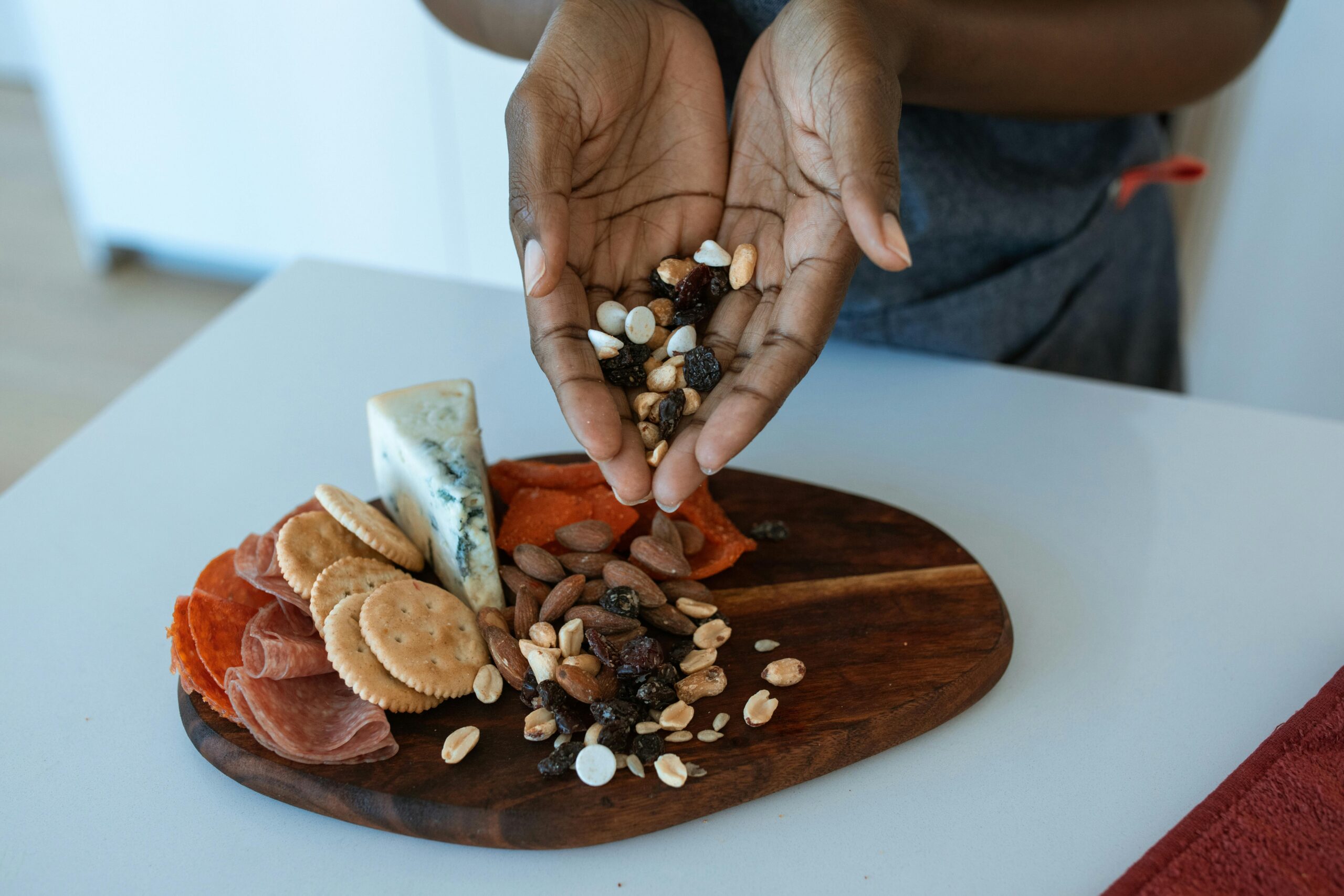
Start with appetizers that require minimal last-minute work. Cheese boards can be arranged hours ahead and brought to room temperature before serving. Dips like hummus, baba ganoush, or white bean spreads improve in flavor when made a day early. Marinated olives, roasted nuts, and cured meats require zero day-of preparation.
For hot appetizers, consider items that bake from frozen, like spanakopita triangles, stuffed mushrooms, or savory palmiers. These can be assembled weeks ahead, frozen on baking sheets, then transferred to freezer bags and baked directly from frozen when needed.
Main Courses Built for Advance Preparation
Braised dishes reign supreme in the make-ahead category. Short ribs, pot roast, coq au vin, and osso buco not only survive advance preparation—they actively benefit from it. The resting time allows flavors to develop complexity impossible to achieve with same-day cooking.
Casseroles and baked pasta dishes also excel as make-ahead mains. Lasagna, baked ziti, enchiladas, and moussaka can be fully assembled one to two days ahead, then baked while you greet guests. The key is slightly undercooking pasta if it will be baked later, preventing mushiness.
Roasted meats can be partially prepared in advance through strategic seasoning and searing. Season large roasts the night before to allow salt to penetrate deeply. Some proteins can even be seared ahead, then finished in the oven during the party, significantly reducing active cooking time.
Side Dishes That Shine When Prepared Ahead
Side dishes often create the most stress because they compete for oven and stovetop space. Choosing sides that can be prepared completely ahead or require only simple reheating solves this logistical challenge.
Grain salads with vegetables and vinaigrettes maintain excellent texture for up to two days. Quinoa, farro, or wild rice mixed with roasted vegetables, fresh herbs, and a bold dressing actually improve as flavors marry. Keep any delicate greens separate until just before serving.
Roasted vegetables can be cooked until nearly done, then finished with a quick blast of high heat before serving to restore their crispy edges. Alternatively, room-temperature roasted vegetable platters with good olive oil and flaky salt need no reheating whatsoever.
Mashed potatoes seem like they must be made fresh, but they can actually be prepared ahead using a simple technique. Make them as usual, transfer to a buttered baking dish, dot with butter, cover tightly, and refrigerate. Reheat in a moderate oven, and they’ll taste freshly made.
📋 The Make-Ahead Matrix: What Works When
Understanding which foods tolerate advance preparation—and which don’t—is crucial for menu planning success. This knowledge prevents disappointing results and wasted effort.
| Dish Type | Advance Prep Window | Storage Method | Reheating Approach |
|---|---|---|---|
| Braised Meats | 2-3 days ahead | Refrigerate in cooking liquid | Gentle stovetop or oven reheat |
| Casseroles | 1-2 days ahead | Cover tightly, refrigerate | Bake covered, then uncovered to crisp |
| Soups/Stews | 3-4 days ahead | Refrigerate in airtight container | Stovetop over medium heat |
| Grain Salads | 2 days ahead | Refrigerate, dressing separate | Bring to room temperature |
| Cookie Dough | 1 month frozen | Freeze in portions | Bake from frozen, add 2-3 minutes |
| Cake Layers | 1 month frozen | Wrap tightly, freeze flat | Thaw wrapped at room temp |
Desserts: The Ultimate Make-Ahead Category
Desserts may be the most forgiving category for advance preparation. Many actually require chilling time, making them natural candidates for early completion. This frees up significant mental energy on party day.
Cheesecakes must be made ahead—they need hours to set properly and actually taste better after a day in the refrigerator. Fruit tarts with pastry cream can be assembled the morning of your event. Chocolate mousse, panna cotta, and pot de crème all require advance preparation by design.
Layer cakes can be baked, filled, and frosted a day ahead, then stored in cake domes or loosely covered with plastic wrap. The frosting acts as protection, keeping layers moist. Many frosted cakes actually slice more cleanly after refrigeration firms them slightly.
Ice cream-based desserts offer spectacular presentation with minimal party-day work. Assemble ice cream cakes, bombes, or terrine-style desserts weeks ahead. They wait patiently in your freezer, requiring only a brief softening period before serving.
🥗 Strategic Ingredient Prep: The Foundation of Efficiency
Beyond complete dishes, strategic ingredient preparation creates efficiency throughout your cooking process. This approach, borrowed from professional kitchens, is called mise en place—everything in its place.
Vegetables can be washed, trimmed, and cut one to two days ahead if stored properly. Keep cut vegetables in airtight containers lined with damp paper towels to maintain crispness. Onions and garlic can be minced and refrigerated in small containers, ready when needed.
Fresh herbs stay vibrant when treated like cut flowers. Trim stems and stand them in water, covering loosely with plastic bags. Alternatively, wash, dry thoroughly, and store wrapped in barely damp paper towels inside plastic bags.
Proteins benefit from advance preparation too. Trim, portion, and season meats the day before cooking. For dishes requiring marination, this advance work is essential. Even simple salt and pepper applied 12-24 hours ahead produces more flavorful results than last-minute seasoning.
The Beverage Station Strategy
Beverages often get overlooked in party planning, yet they can create significant disruptions if not properly organized. Create a self-service beverage station that operates independently of your kitchen workspace.
Batch cocktails make elegant entertaining simple. Prepare large-format cocktails the morning of your event—sangria, punch, margaritas, or Old Fashioneds scale beautifully. Store chilled and simply pour over ice when guests arrive. Provide garnishes in small bowls so guests can customize their drinks.
Wine service becomes effortless with proper advance planning. Chill white wines and rosés the night before. Open red wines an hour before guests arrive if they benefit from breathing. Set up a wine station with openers, coolers, and appropriate glassware so guests can help themselves.
For non-alcoholic options, prepare infused waters, homemade lemonades, or iced tea ahead of time. Store in attractive pitchers or drink dispensers with fresh fruit or herb garnishes added just before service for visual appeal.
Setting Up Service Systems That Work
Even perfectly prepared food can create stress without proper service planning. Establish systems that allow smooth transitions from kitchen to table with minimal disruption.
Label everything in your refrigerator with contents and reheating instructions. This simple step prevents confusion and allows helpers to assist effectively. Include target temperatures and timing so anyone can execute your plan.
Create a written timeline for the final two hours before guests arrive. List each task with its scheduled time: when to start reheating, when to dress salads, when to remove cheese from refrigeration. This removes decision-making from your busiest period.
Arrange your serving pieces the day before, placing sticky notes in each indicating which dish it will hold. This eliminates the frantic search for the right platter while juggling hot pans. Your future self will thank your organized present self.
🎉 Day-Of Execution: Your Action Plan
Party day should feel manageable, not overwhelming. With proper advance work, you’ll focus on final touches rather than fundamental cooking.
Begin your day by reviewing your timeline and pulling all prepared components from the refrigerator or freezer. Check that you have all necessary serving utensils, plates, and napkins readily accessible. Light prep tasks like arranging cheese boards or setting out appetizers can happen early.
Two hours before guests arrive, start any reheating that requires significant time. Covered casseroles in low ovens warm gently without drying out. Items that need final crisping wait until the hour before service.
The final hour focuses on finishing touches—dressing salads, garnishing dishes, and arranging platters. This is also when you should take time to actually get ready yourself. The ability to shower, dress, and feel composed before guests arrive is the ultimate goal of make-ahead planning.
Troubleshooting Common Make-Ahead Challenges
Even with excellent planning, challenges sometimes arise. Understanding common issues and their solutions prevents minor problems from becoming major disasters.
Dishes that dry out during reheating benefit from added liquid and covered heating. For braised meats, add a splash of stock before reheating. Cover casseroles with foil for most of the reheating time, removing it only at the end to restore any crispy toppings.
Separated sauces can usually be saved with vigorous whisking or brief blending. If a butter-based sauce breaks, whisk in a tablespoon of cold butter or cream to re-emulsify it. Prevention works better—slightly undercook sauces that will be reheated, as they’ll continue thickening.
Soggy textures in components meant to be crispy require strategic assembly timing. Keep crispy elements separate until just before serving. Store toasted nuts, croutons, or crispy toppings at room temperature in airtight containers, adding them at the last possible moment.
Scaling Your Make-Ahead Skills
As you master basic make-ahead techniques, you’ll naturally want to tackle more ambitious menus or larger guest counts. The principles remain the same, but organization becomes even more critical.
For larger parties, focus on dishes that scale easily—casseroles, roasts, and grain salads all multiply gracefully. Avoid recipes requiring extensive plating or last-minute assembly for each portion. Buffet-style service works beautifully for crowds and eliminates plating pressure entirely.
Consider making complete meals ahead and freezing them for future events. Many hosts maintain a “party freezer” with cookie dough, appetizers, and components that allow spontaneous entertaining. This transforms impromptu gatherings from stressful to simple.
Building Your Make-Ahead Recipe Collection
Over time, you’ll develop a personal collection of reliable make-ahead recipes that suit your style and taste. Document what works, including specific timing notes and any modifications you’ve made.
Test new recipes before serving them to guests. Make-ahead dishes sometimes behave differently than same-day preparations, and you want to understand these differences before committing to them for an important event. Use family dinners as dress rehearsals for party menus.
Seasonal variations keep your entertaining fresh while using proven techniques. A braising technique that works beautifully for winter short ribs translates perfectly to summer chicken thighs. Core methods remain constant while ingredients rotate with availability and weather.
The Confident Host Mindset
Ultimately, effortless entertaining stems from confidence built through preparation. When you know your food is ready, your table is set, and your timeline is realistic, you can genuinely relax and enjoy your guests’ company.
Remember that perfection isn’t the goal—connection is. Guests remember warmth, conversation, and atmosphere far more vividly than whether every dish was flawless. Make-ahead planning simply ensures you’re present for those meaningful moments rather than isolated in the kitchen.
The beauty of mastering make-ahead menu planning extends beyond individual parties. These skills transform your relationship with entertaining itself, shifting it from occasional stress-inducing events to regular, enjoyable gatherings that strengthen relationships and create lasting memories. With each successful party, your confidence grows, your systems improve, and hosting becomes genuinely effortless.