Have you ever taken a sip of your favorite beverage only to experience an unexpected aftertaste that lingers long after? The battle of aftertastes is real, and it shapes our brand preferences more than we realize.

From coffee to sparkling water, protein shakes to energy drinks, the aftertaste a product leaves can make or break consumer loyalty. In this comprehensive exploration, we’ll dive deep into which brands truly leave the most lasting impression—for better or worse—and what science tells us about why some flavors haunt our palates while others fade gracefully.
🔬 The Science Behind Aftertaste: Why Some Flavors Linger
Aftertaste isn’t just about the quality of ingredients. It’s a complex sensory experience involving taste receptors, olfactory signals, and even psychological expectations. When we consume a product, volatile compounds continue to interact with our taste buds and nasal passages even after swallowing.
Certain chemical compounds have a longer molecular structure that binds more persistently to receptors. This is why artificial sweeteners often leave that distinctive metallic or bitter aftertaste, while natural sugars tend to fade more quickly. The pH level of beverages also plays a crucial role—acidic drinks can temporarily alter the chemistry of your saliva, affecting how subsequent flavors are perceived.
Understanding this science helps explain why premium brands invest heavily in formulation research. The goal isn’t just creating an initial burst of flavor, but engineering a complete taste journey from first sip to final impression.
☕ Coffee Brands: The Morning Aftertaste Showdown
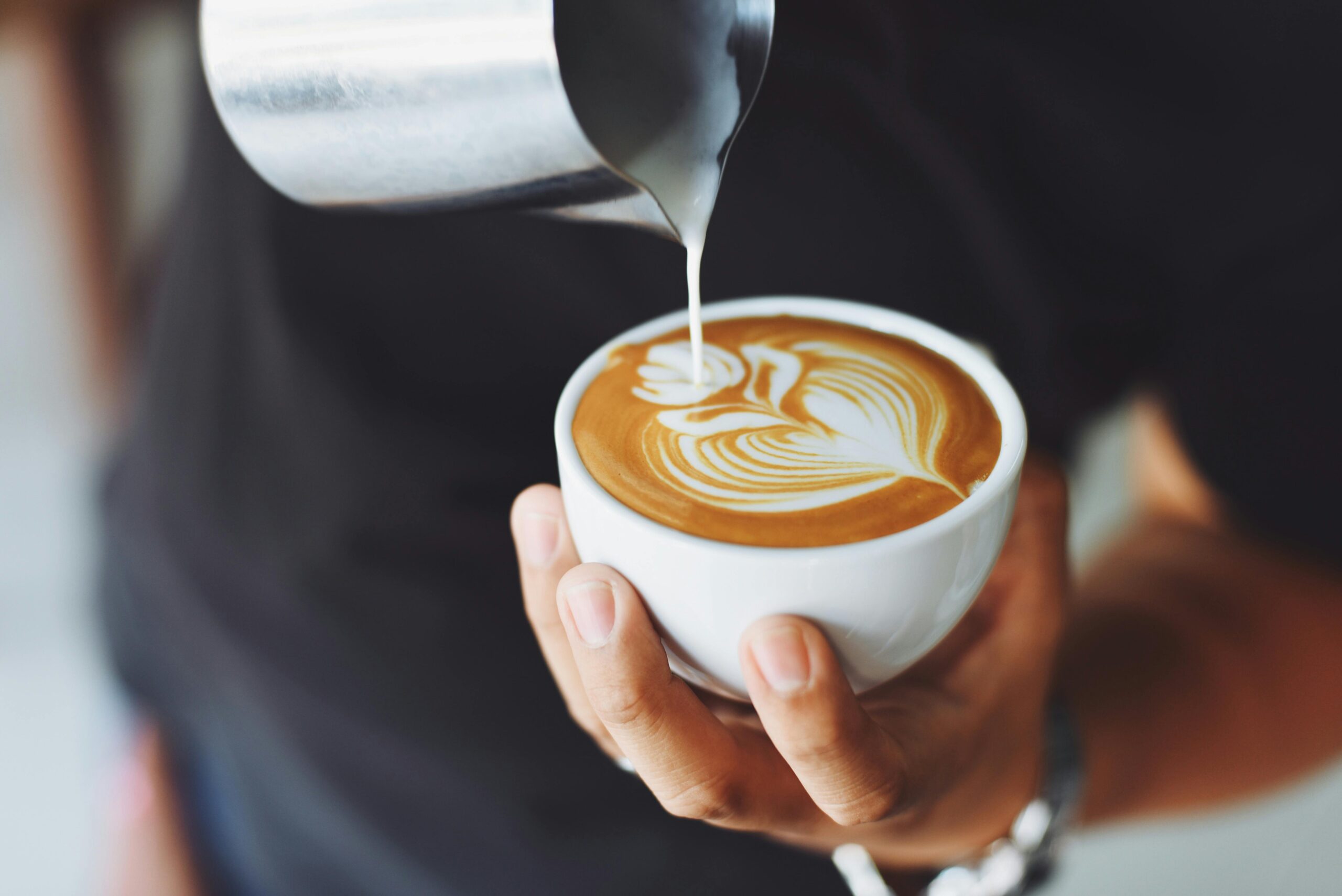
Coffee aftertaste can be remarkably complex, ranging from pleasantly chocolatey to disturbingly acidic. Let’s examine how leading brands stack up in this highly competitive category.
Premium Roasters vs. Commercial Giants
Starbucks, despite its ubiquity, often receives mixed reviews on aftertaste. Their darker roasts tend to leave a robust, sometimes bitter finish that coffee purists either love or avoid. The Pike Place Roast, their signature blend, leaves a smoky aftertaste that can linger for 10-15 minutes.
In contrast, specialty brands like Blue Bottle Coffee and Intelligentsia focus on single-origin beans with cleaner finishes. Their lighter roasts typically leave subtle fruity or floral notes that fade more gracefully, appealing to those who prefer a refined coffee experience without the heavy aftermath.
Dunkin’ occupies an interesting middle ground. Their medium roasts are engineered for mass appeal, leaving a mild, unoffensive aftertaste that neither impresses nor disappoints. This strategic neutrality has helped them build a loyal following among customers who prioritize consistency over complexity.
Instant Coffee: The Convenient Compromise
Nescafé and Folgers dominate the instant coffee market, but their aftertaste profiles differ significantly. Nescafé’s freeze-dried varieties leave a surprisingly clean finish compared to their spray-dried counterparts, while Folgers often carries a slightly metallic note that reveals its processing methods.
Newer entrants like Sudden Coffee and Voilà use specialized freeze-drying techniques that preserve more aromatic compounds, resulting in an aftertaste much closer to freshly brewed coffee. This innovation is gradually changing perceptions about what instant coffee can deliver.
🥤 Soft Drinks: The Sugar vs. Sweetener Debate
Perhaps no category generates more passionate aftertaste debates than soft drinks. The divide between sugar-sweetened and artificially sweetened options creates dramatically different sensory experiences.
Classic Colas and Their Lingering Legacy
Coca-Cola’s aftertaste is so distinctive that blind taste tests often identify it correctly based solely on the finish. The combination of phosphoric acid, vanilla notes, and caramel creates a complex aftertaste that’s both sweet and slightly tangy, lasting 5-8 minutes on average.
Pepsi, formulated to be slightly sweeter with more citrus notes, leaves a brighter aftertaste that some describe as more refreshing. This subtle difference has fueled decades of brand loyalty wars, with consumers often divided not by the initial taste but by which aftertaste they prefer.
RC Cola and other secondary brands typically leave shorter, simpler aftertastes—a reflection of less complex formulations that prioritize cost-efficiency over flavor engineering.
Diet and Zero Sugar Varieties: The Artificial Dilemma
Diet Coke’s aftertaste remains controversial. The aspartame-based sweetener leaves a distinctive finish that many describe as metallic or chemical. Long-time consumers often develop a tolerance or even preference for this aftertaste, but it remains a barrier for new customers.
Coca-Cola Zero Sugar represents a significant improvement, using a blend of aspartame and acesulfame potassium that more closely mimics sugar’s clean finish. However, a subtle artificial note still lingers for 3-5 minutes.
Pepsi Zero Sugar has garnered praise for its cleaner aftertaste profile, using a different sweetener ratio that minimizes the bitter finish common in diet sodas. Some blind taste tests show consumers actually prefer its aftertaste to regular Pepsi.
💧 Sparkling Water: The Subtle Difference Makers
The explosion of sparkling water brands has introduced consumers to a spectrum of aftertaste experiences, from aggressively flavored to whisper-light suggestions of taste.
LaCroix and the Natural Flavor Controversy
LaCroix’s “natural flavors” create an interesting aftertaste phenomenon. The essence-based flavoring leaves barely any lingering taste, which is exactly what fans love about it. The Pamplemousse (grapefruit) flavor leaves the cleanest finish, while Berry has a slightly longer aftertaste due to its compound complexity.
This minimalist approach contrasts sharply with competitors, making LaCroix ideal for those who want hydration without commitment to any particular flavor profile.
Spindrift: The Real Fruit Advantage
Spindrift’s use of real fruit juice creates a noticeably different aftertaste experience. The Raspberry Lime leaves a genuine fruit finish that can last 10-15 minutes, complete with subtle tartness. This authenticity comes at a cost—the drinks are less neutral and may not pair as well with all foods.
For consumers seeking a clean palate between meals, this persistent aftertaste might be a drawback. For those wanting actual flavor, it’s a welcome change from essence-based competitors.
Bubly and the Middle Path
PepsiCo’s Bubly aims for a middle ground between LaCroix’s subtlety and Spindrift’s intensity. Their natural flavors leave a moderate aftertaste—more present than LaCroix but without real juice’s persistence. The Strawberry variety achieves particularly good balance, leaving a pleasant sweetness without sugar or artificial additives.
🏋️ Protein Shakes: Performance Meets Palatability
Protein supplements face unique aftertaste challenges. The proteins themselves—whey, casein, soy, or pea—each carry distinct flavor profiles that manufacturers must mask or complement.
Whey-Based Brands and the Dairy Dilemma
Optimum Nutrition’s Gold Standard Whey remains an industry leader partly because of its relatively clean aftertaste. The Double Rich Chocolate leaves a mild dairy finish that fades within minutes, making it acceptable for most consumers. However, the Vanilla Ice Cream flavor shows more artificial notes that linger longer.
Dymatize ISO100 uses hydrolyzed whey isolate, which processes differently and leaves virtually no aftertaste. This makes it ideal for mixing with other ingredients, though it comes at a premium price point.
Plant-Based Alternatives: New Territory
Vega Sport Protein, using pea and rice protein, leaves an earthy aftertaste that some describe as “green” or “grassy.” Long-time users report adapting to this finish, but it remains a barrier for those transitioning from whey-based products.
Orgain Organic Protein masks plant protein flavors more successfully, using monk fruit and stevia for sweetness. The aftertaste is cleaner than most plant-based competitors, though a subtle vanilla extract note persists for several minutes.
Ripple Protein Shakes, made from pea protein, employ impressive flavor technology that creates an aftertaste remarkably similar to dairy milk. This breakthrough has helped plant-based proteins appeal to mainstream consumers who previously found the category unpalatable.
⚡ Energy Drinks: Intensity That Stays With You
Energy drinks are perhaps the most polarizing category when it comes to aftertaste. The combination of caffeine, taurine, B vitamins, and sweeteners creates complex finishes that can last 30 minutes or more.
Red Bull: The Original Love-It-Or-Hate-It
Red Bull’s aftertaste is iconic and intentional. The medicinal finish, reminiscent of cough syrup to some and energizing tonic to others, comes from its B vitamin complex and specific flavoring approach. This distinctive aftertaste has become part of the brand identity—consumers who like it become extremely loyal.
Red Bull Sugar-Free maintains much of the original’s aftertaste character while adding a subtle artificial sweetener note. Interestingly, some consumers prefer this version, finding the sugar-free aftertaste slightly less cloying.
Monster: Aggressive Flavors, Lasting Impressions
Monster Energy employs a different strategy, using bold fruit flavors to mask the functional ingredient aftertaste. The original green Monster leaves a complex finish mixing citrus, herbal notes, and a slight chemical undertone from the extensive additive list.
Monster Ultra varieties, marketed as zero-sugar options, achieve cleaner aftertastes through refined sweetener blends. The Ultra White flavor (citrus) leaves the shortest aftertaste in the lineup, fading within 10 minutes.
Clean Energy Movement: Celsius and Beyond
Celsius represents a newer generation of energy drinks prioritizing cleaner ingredients and consequently cleaner aftertastes. Their use of sucralose instead of aspartame, combined with natural caffeine sources, creates a finish that’s noticeably less harsh than traditional energy drinks.
The Sparkling Orange flavor leaves a bright, relatively clean aftertaste that appeals to consumers transitioning from coffee or traditional sodas. However, some fitness enthusiasts report the sweetness level creates a slight coating sensation that lingers during workouts.
🍷 The Unexpected Factor: Individual Biology
An often-overlooked aspect of aftertaste is individual variation. Genetic differences in taste receptor density and configuration mean the same product can leave dramatically different impressions on different people.
Approximately 25% of people are “supertasters” with higher taste bud density, experiencing aftertastes more intensely and for longer durations. Another 25% are “non-tasters” with fewer receptors, barely registering aftertastes that others find overpowering.
This biological diversity explains why brand preferences can be so personal and why universal agreements about “best aftertaste” remain elusive. What tastes clean and refreshing to one person might register as flat and unsatisfying to another.
🎯 Strategic Implications: Why Brands Should Care
Aftertaste directly impacts repeat purchase behavior. Studies show that negative aftertaste experiences reduce repurchase intent by up to 40%, even when consumers rate the initial taste positively. Conversely, pleasant aftertastes can create positive associations that build brand loyalty over time.
Premium brands increasingly conduct specific aftertaste research during product development, using temporal dominance of sensations testing to map exactly how flavors evolve over minutes rather than seconds. This investment pays dividends in consumer satisfaction and differentiation in crowded markets.
The rise of social media has amplified aftertaste’s importance. Consumers regularly share detailed taste experiences online, and negative aftertaste comments can significantly impact brand perception. Smart companies monitor these conversations and adjust formulations accordingly.
🌟 Finding Your Perfect Match: Practical Guidance
Given the subjective nature of aftertaste preferences, finding brands that work for your palate requires experimentation. Start by identifying whether you’re generally sensitive to aftertastes—if you notice flavors lingering long after eating or drinking, you likely have higher receptor sensitivity.
For coffee lovers sensitive to bitter aftertastes, lighter roasts from specialty brands typically provide cleaner finishes. If you don’t mind lingering flavors, darker roasts from commercial brands offer robust experiences at lower price points.
In the soft drink category, those bothered by artificial sweetener aftertastes should explore newer formulations using sweetener blends rather than single-source options. Alternatively, transitioning to lightly flavored sparkling waters can reset your palate entirely.
Protein supplement users struggling with aftertaste should consider timing—consuming protein shakes immediately before meals masks any lingering flavors, while drinking them standalone makes aftertaste more noticeable. Flavor choice matters too; chocolate varieties generally leave more acceptable aftertastes than vanilla or fruit options across most brands.
💡 The Future of Aftertaste Engineering
Emerging technologies promise to revolutionize how brands approach aftertaste. Encapsulation techniques allow flavors to release in stages, creating more complex taste journeys that can actually improve over time rather than deteriorate.
Taste modifier compounds, already used in products like Mberry tablets, may soon allow brands to suppress bitter aftertastes while enhancing sweet perceptions without adding sugars or artificial sweeteners. This technology could finally solve the diet drink aftertaste problem that has plagued the industry for decades.
Personalization represents another frontier. As understanding of genetic taste variations improves, brands might eventually offer customized formulations matching individual taste profiles. While this remains years away from mass market viability, pilot programs are already testing the concept with promising results.
🏆 The Verdict: Champions of Clean Finish
After examining categories across the beverage and supplement landscape, certain brands consistently deliver superior aftertaste experiences. Blue Bottle Coffee leads in the coffee category for those prioritizing clean finishes, while Dunkin’ wins on consistency for mainstream preferences.
In soft drinks, Coca-Cola Zero Sugar represents the best balance between classic flavor and minimal artificial aftertaste, though purists will always prefer regular formulations. Spindrift dominates sparkling water for those wanting real flavor, while LaCroix remains unbeatable for neutrality.
Dymatize ISO100 sets the protein shake standard for minimal aftertaste, despite its higher cost. Celsius leads the energy drink category in the clean finish department, appealing to health-conscious consumers willing to pay premium prices.
Ultimately, the battle of aftertastes has no universal winner—only personal champions that match individual biology and preference. The brands succeeding long-term are those investing in understanding this complexity and offering options that acknowledge diverse consumer needs rather than assuming one formulation can satisfy everyone.
Your perfect brand is the one whose aftertaste you don’t just tolerate but actually anticipate. Pay attention to how products make you feel minutes after consumption, not just during the first sip. That lingering impression is where true brand loyalty begins.