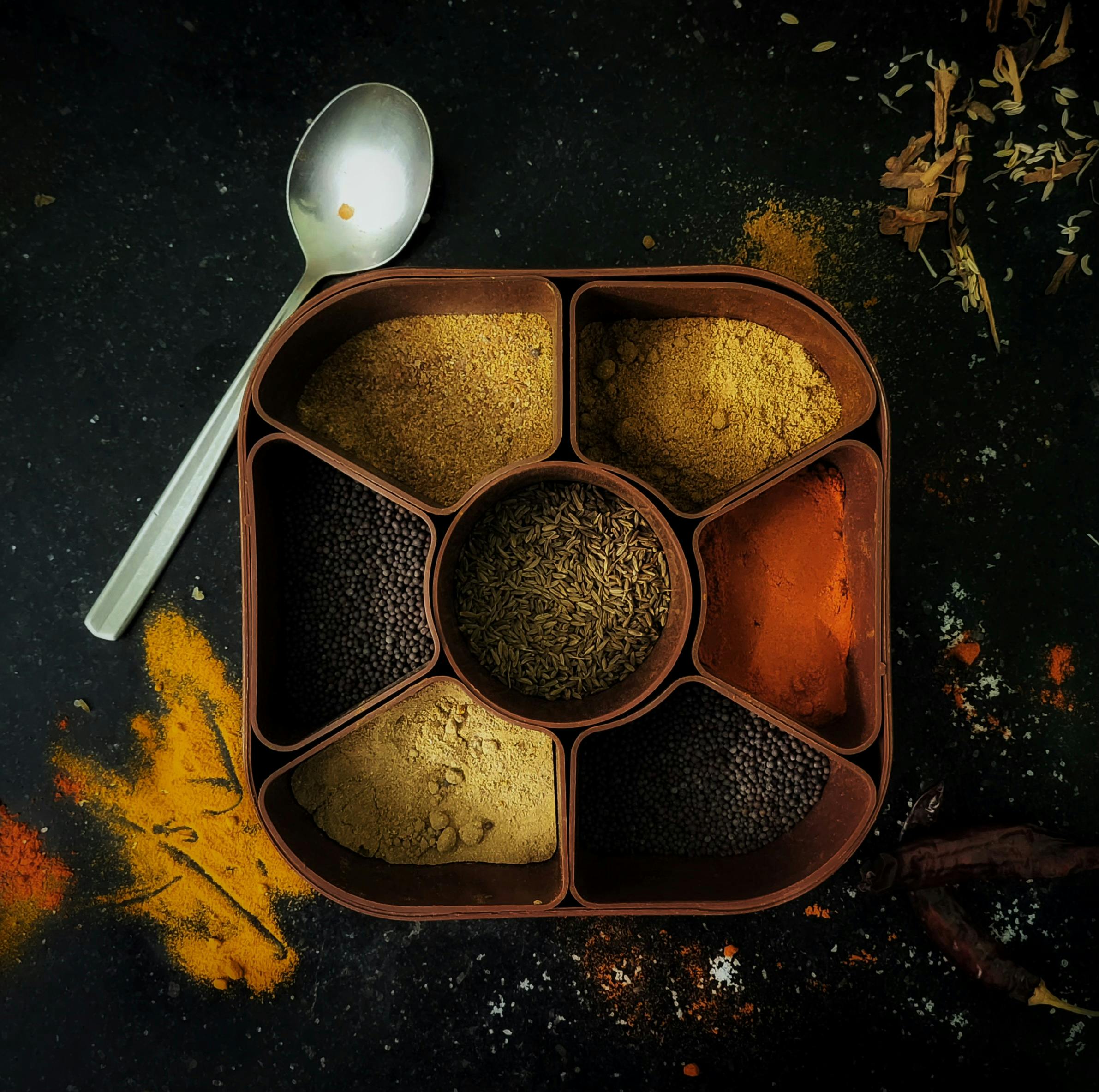
Every meal tells a story through its ingredients. The careful selection and combination of components can elevate a simple dish into an extraordinary culinary experience that delights all senses.

Understanding how ingredient lists shape taste is fundamental to mastering the art of cooking. Whether you’re a home cook experimenting in your kitchen or a professional chef crafting signature dishes, the ingredients you choose and how you combine them determine the final flavor profile, texture, and overall success of your culinary creations. This comprehensive guide explores the fascinating relationship between ingredient selection and taste, revealing how you can transform ordinary meals into extraordinary dining experiences.
🔍 The Science Behind Taste and Ingredient Interaction
Taste is far more complex than simply sweet, salty, sour, bitter, and umami. When ingredients come together, they create a symphony of flavors through chemical reactions and sensory interactions. The compounds within each ingredient interact with taste receptors on your tongue and aromatic molecules in your nose, creating the complete flavor experience.
Proteins, fats, carbohydrates, acids, and various flavor compounds all play distinct roles in how we perceive taste. Fats carry fat-soluble flavor molecules and create mouthfeel, while acids brighten flavors and balance richness. Understanding these fundamental interactions allows you to manipulate ingredient lists strategically to achieve desired results.
Flavor Compounds and Their Complementary Nature
The concept of flavor pairing is rooted in chemistry. Ingredients that share similar flavor compounds often work well together, creating harmonious taste profiles. This principle explains why certain classic combinations like tomatoes and basil, or strawberries and cream, are universally beloved. The shared volatile compounds create a sense of unity on the palate.
Conversely, contrasting flavors can create excitement and complexity. The interplay between sweet and spicy, or rich and acidic, keeps your palate engaged and makes dishes more memorable. A well-crafted ingredient list considers both complementary and contrasting elements to achieve balance and depth.
🛒 Reading Ingredient Lists Like a Culinary Expert
When examining packaged foods or creating your own recipes, the order of ingredients matters significantly. In commercial products, ingredients are listed by weight in descending order. This means the first few items make up the bulk of the product and have the greatest impact on flavor and nutritional value.
Learning to decode ingredient lists helps you make informed decisions about what you’re consuming and cooking with. Look beyond marketing claims and examine what’s actually in the product. Ingredients you can pronounce and recognize generally indicate simpler, more wholesome preparations that allow natural flavors to shine.
Hidden Flavor Boosters in Ingredient Lists
Many processed foods contain flavor enhancers that aren’t immediately obvious. Monosodium glutamate (MSG), yeast extract, hydrolyzed proteins, and various forms of sugar all amplify taste perception. While these aren’t necessarily harmful, understanding their presence helps you recognize manufactured versus natural flavors.
When crafting your own ingredient lists for homemade dishes, you can incorporate natural umami boosters like mushrooms, tomato paste, soy sauce, or aged cheeses instead of relying on artificial enhancers. These whole food ingredients add complexity while contributing additional nutritional benefits.
🎨 Building Balanced Flavor Profiles Through Ingredient Selection
Creating memorable dishes requires balancing the five basic tastes along with textural elements and aromatic components. Think of your ingredient list as a painter’s palette where each component contributes to the final masterpiece.
Start with a primary flavor focus, then add supporting ingredients that enhance, complement, or provide contrast. A dish centered on sweet roasted carrots might benefit from a touch of acid from vinegar, richness from butter, aromatic depth from thyme, and textural interest from toasted nuts. Each ingredient serves a specific purpose in the overall composition.
The Role of Fresh Versus Processed Ingredients
Fresh ingredients typically offer more vibrant, nuanced flavors compared to their processed counterparts. A ripe tomato eaten in season contains complex sugars, acids, and aromatic compounds that no canned version can fully replicate. However, processed ingredients have their place, particularly when fresh options are unavailable or when convenience matters.
Quality processed ingredients like good canned tomatoes, frozen vegetables picked at peak ripeness, or artisan dried pasta can actually deliver better results than subpar fresh alternatives. The key is choosing processed items with clean, short ingredient lists that preserve the integrity of the original food.
🌿 Strategic Herb and Spice Integration
Herbs and spices are the secret weapons in transforming basic ingredient lists into flavor-packed creations. These concentrated sources of aromatic compounds can completely change a dish’s character with just small amounts. Understanding when to use fresh versus dried herbs and how to combine spices elevates your cooking significantly.
Fresh herbs generally work best when added near the end of cooking or used raw, preserving their delicate volatile oils. Dried herbs and ground spices benefit from some cooking time to bloom their flavors and mellow any harsh notes. Whole spices toasted before grinding release even more intense aromatic compounds.
Creating Custom Spice Blends for Signature Flavors
Developing your own spice combinations allows complete control over flavor profiles. Rather than relying on commercial blends with fillers and additives, you can adjust ratios to suit your preferences and create unique taste signatures. A basic curry powder, for example, might include coriander, cumin, turmeric, fenugreek, and chili, but you can modify proportions or add cardamom, cinnamon, or black pepper for personalization.
Keep a well-organized spice collection and replace items regularly, as most ground spices lose potency after six months. Whole spices last longer and can be ground fresh when needed for maximum impact on your ingredient-driven flavor creations.
🥘 How Cooking Methods Influence Ingredient Flavor Expression
The same ingredient list can produce vastly different results depending on cooking technique. High-heat methods like roasting, grilling, or sautéing create Maillard reactions that generate hundreds of new flavor compounds through the interaction of proteins and sugars. This browning process adds complexity, depth, and savory notes impossible to achieve through gentler cooking methods.
Moist cooking techniques like braising, steaming, or poaching preserve more subtle, delicate flavors and prevent the formation of browned compounds. These methods work beautifully for ingredients where you want to highlight inherent taste rather than transformation through heat. Your ingredient list should consider the intended cooking method for optimal results.
Layering Flavors at Different Cooking Stages
Professional chefs build complexity by adding ingredients at different points during cooking. Aromatics like onions and garlic added early develop sweetness and depth, while the same ingredients added near the end contribute pungent, fresh notes. This layering technique using the same components at multiple stages creates dimensional flavor impossible to achieve with single additions.
Consider dividing fresh herbs, citrus, or even salt into portions added at the beginning, middle, and end of preparation. This approach maximizes the different flavor aspects each ingredient can contribute throughout the cooking process.
🧪 The Impact of Quality on Ingredient Performance
Not all ingredients are created equal, and quality differences significantly affect taste outcomes. Extra virgin olive oil from a reputable producer tastes dramatically different from generic vegetable oil. Artisan butter made from cultured cream has complexity that standard supermarket butter lacks. Real vanilla extract contains hundreds of flavor compounds absent from artificial versions.
While budget considerations matter, investing in high-quality versions of ingredients that star in a dish pays dividends in final results. Save money on supporting players while splurging on featured components. If tomatoes are the hero of your sauce, buy the best you can afford and economize elsewhere.
Seasonal Considerations for Maximum Flavor
Ingredients eaten in season inherently taste better because they’re harvested at peak ripeness and haven’t traveled extensively. Building your ingredient lists around seasonal availability ensures maximum flavor while often reducing costs. Summer tomatoes, autumn squash, winter citrus, and spring asparagus each shine when naturally abundant.
Developing a seasonal mindset transforms your cooking by forcing creativity and variety throughout the year. Rather than eating the same ingredients regardless of season, you’ll naturally rotate through diverse flavor profiles that keep meals interesting and maximize taste potential.
🍳 Practical Application: Transforming Basic Ingredients
To demonstrate how ingredient lists shape taste, consider a simple preparation like roasted chicken. The basic version might include only chicken, salt, and pepper. While edible, it lacks excitement and complexity. By thoughtfully expanding the ingredient list, you can create something memorable.
Add lemon, garlic, and rosemary for aromatic brightness. Include butter under the skin for richness and browning. A touch of honey contributes caramelization and balances savory elements. Each addition serves a purpose, transforming basic poultry into a flavorful centerpiece without overwhelming the main ingredient.
Building a Versatile Pantry for Flavor Flexibility
Maintaining a well-stocked pantry of quality staple ingredients allows spontaneous cooking without compromise. Essential flavor-building items include various acids (vinegars, citrus, wine), quality fats (olive oil, butter, neutral oils), umami sources (soy sauce, fish sauce, tomato paste, anchovies), and a spice collection covering warm, bright, and earthy profiles.
With these fundamentals available, you can adapt recipes, improvise based on available fresh ingredients, and adjust flavors on the fly. Your pantry becomes a toolkit for flavor creation rather than a collection of single-purpose items.
📊 Analyzing Ingredient Ratios for Optimal Balance
Beyond simply including ingredients, their proportions critically affect final taste. Too much acid overwhelms other flavors, while insufficient salt leaves dishes tasting flat and one-dimensional. Learning to balance ratios comes with experience, but understanding general principles accelerates the learning curve.
A useful framework involves thinking about primary, secondary, and accent ingredients. Primary components (proteins, grains, main vegetables) form the foundation. Secondary ingredients (aromatics, supporting vegetables, herbs) provide complexity. Accent ingredients (acids, final herbs, finishing oils) add brightness and polish. Maintaining appropriate ratios between these categories ensures balanced, cohesive results.
The Mathematics of Flavor Enhancement
While cooking is creative, certain mathematical relationships improve consistency. Salt typically comprises 1-2% of a dish’s total weight for proper seasoning. Acids should provide brightness without sourness, usually achieved with 1-3% by weight. Fat content varies widely but generally ranges from 10-30% depending on dish type. Understanding these baseline percentages helps you construct balanced ingredient lists from scratch.
🌍 Cultural Perspectives on Ingredient Combinations
Different culinary traditions have developed distinctive approaches to combining ingredients based on available resources, climate, and cultural preferences. Mediterranean cooking emphasizes olive oil, garlic, tomatoes, and fresh herbs. Asian cuisines balance sweet, salty, sour, and spicy with ingredients like soy sauce, fish sauce, rice vinegar, and chilies. Learning from these established traditions expands your flavor vocabulary and provides proven ingredient combinations.
Exploring ingredients and techniques from various cultures also prevents culinary monotony. Incorporating harissa from North Africa, miso from Japan, or chimichurri from Argentina into your repertoire creates excitement and introduces new flavor dimensions to familiar base ingredients.
💡 Developing Your Personal Flavor Intuition
Ultimately, understanding how ingredient lists shape taste comes through practice and attentive tasting. Keep notes on successful combinations and failed experiments. Taste ingredients individually before combining them, and taste throughout the cooking process to understand how flavors develop and change.
Challenge yourself to modify recipes by substituting ingredients or adjusting proportions. This experimentation builds intuition about how components interact and develops confidence in your ability to adapt and create without rigid instructions. Your palate becomes your most reliable guide.
🎯 From Ingredient List to Culinary Masterpiece
Transforming simple ingredient lists into exceptional dishes requires understanding the science of taste, selecting quality components, balancing flavors thoughtfully, and cooking with intention. Every ingredient serves a purpose, whether providing primary flavor, supporting complexity, adding textural interest, or offering aromatic dimension.
As you develop your skills in analyzing and constructing ingredient lists, you’ll find that cooking becomes more intuitive and creative. You’ll understand why certain combinations work and feel confident adapting recipes or creating your own. The ingredient list transforms from a mere shopping guide into a strategic blueprint for flavor creation, unlocking your potential to consistently produce delicious, memorable meals that reflect your personal taste and culinary vision.
By paying attention to ingredient quality, understanding flavor interactions, considering cooking methods, and practicing with intention, you’ll unlock the full flavor potential within every ingredient list. This knowledge empowers you to transform ordinary ingredients into extraordinary culinary experiences, turning your kitchen into a space of creative flavor exploration where each meal becomes an opportunity to refine your craft and delight those you feed.