Have you ever struggled to put into words what you’re tasting? You’re not alone. Describing flavors can feel like trying to capture clouds with your hands.

Understanding how to articulate taste transforms every eating experience from mundane to memorable. Whether you’re a food enthusiast, aspiring chef, wine lover, or simply someone who enjoys good food, learning the language of flavor opens up an entirely new dimension of culinary appreciation. This comprehensive guide will equip you with the vocabulary, techniques, and confidence to describe what you taste with clarity and precision.
🍽️ Why Describing Taste Matters More Than You Think
The ability to describe taste goes far beyond showing off at dinner parties. When you can articulate flavors, you become more mindful of what you eat, make better food choices, and connect more deeply with culinary experiences. Restaurant reviews become more helpful, recipes easier to follow, and your own cooking improves dramatically when you understand the specific flavors you’re working with.
Professional chefs, sommeliers, and food critics have developed this skill over years of practice, but the truth is that anyone can learn to describe taste effectively. It’s not about having a “better palate” than others—it’s about building awareness and vocabulary.
The Five Basic Tastes: Your Foundation
Before diving into complex flavor descriptions, you need to understand the five fundamental tastes that your tongue can detect. These building blocks form the basis of all flavor perception.
Sweet 🍯
Sweetness is typically associated with sugars and is detected primarily at the tip of your tongue. Beyond just “sweet,” you can describe variations like honey-sweet, caramel-like, fruity-sweet, or floral-sweet. Think about the difference between the sweetness of a ripe mango versus maple syrup—both sweet, but distinctly different.
Salty 🧂
Saltiness enhances other flavors and is crucial for balance. It ranges from subtly briny to intensely saline. Consider describing whether something is sea-salt crisp, mineral-rich, or perhaps overly salted. The salinity of aged cheese differs greatly from table salt on french fries.
Sour 🍋
Sourness comes from acids and can range from bright and tangy to sharply acidic. Citrus fruits, vinegar, and fermented foods showcase sourness. You might describe something as lemony-tart, vinegary-sharp, or pleasantly acidic like yogurt.
Bitter
Bitterness often gets a bad reputation, but it adds complexity and depth to flavors. Coffee, dark chocolate, and certain vegetables like arugula display bitterness. Descriptions can include pleasantly bitter, subtly astringent, or intensely bitter like grapefruit pith.
Umami 🍄
The newest addition to the basic tastes, umami represents savory, meaty, or brothy flavors. It’s found in aged cheeses, mushrooms, soy sauce, and tomatoes. Words like savory, meaty, earthy, or rich often capture umami characteristics.
Beyond Basic: Understanding Flavor Complexity
Real flavor experiences rarely involve just one basic taste. Most foods present complex combinations that create unique profiles. The key to describing taste effectively is learning to separate and identify these layered sensations.
Aroma: The Secret Ingredient
Here’s a surprising fact: most of what we call “taste” is actually smell. Your nose detects thousands of aromatic compounds that your tongue cannot. This is why food tastes bland when you have a cold. When describing taste, always consider the aromatic components—they’re often the most distinctive elements.
Describe aromas using familiar references: floral like roses, fruity like berries, nutty like almonds, spicy like cinnamon, earthy like mushrooms, or herbal like basil. The more specific you are, the better your description becomes.
Texture and Mouthfeel
Texture significantly impacts flavor perception. A crispy apple tastes different from applesauce, even though the basic flavor is similar. Include textural descriptions in your taste vocabulary:
- Creamy, silky, or velvety for smooth textures
- Crispy, crunchy, or snappy for firm textures
- Tender, soft, or pillowy for gentle textures
- Chewy, dense, or hearty for substantial textures
- Light, airy, or fluffy for delicate textures
🎯 Practical Techniques for Taste Description
Knowing vocabulary is one thing; applying it is another. Here are proven techniques to improve your ability to describe what you’re tasting.
The Mindful Tasting Method
Slow down and engage all your senses. Before tasting, observe the food visually and smell it deeply. When you taste, let the food sit in your mouth briefly before chewing. Notice the initial flavors, then the middle notes, and finally the finish or aftertaste. Each phase can present different flavor characteristics.
Compare and Contrast
Describing taste becomes easier when you use comparisons. Say something tastes “like honey but with floral notes” or “similar to cheddar but sharper and more crumbly.” References to familiar flavors help others understand your experience and train your palate to detect nuances.
Build Your Flavor Library
The more flavors you consciously experience, the larger your reference library becomes. Taste ingredients individually—try a pinch of different spices, sample various vinegars, or explore different varieties of the same fruit. This experiential learning builds the mental database you’ll draw from when describing taste.
Category-Specific Vocabulary
Different food and beverage categories have developed specialized vocabularies that can enhance your descriptions.
Coffee and Tea ☕
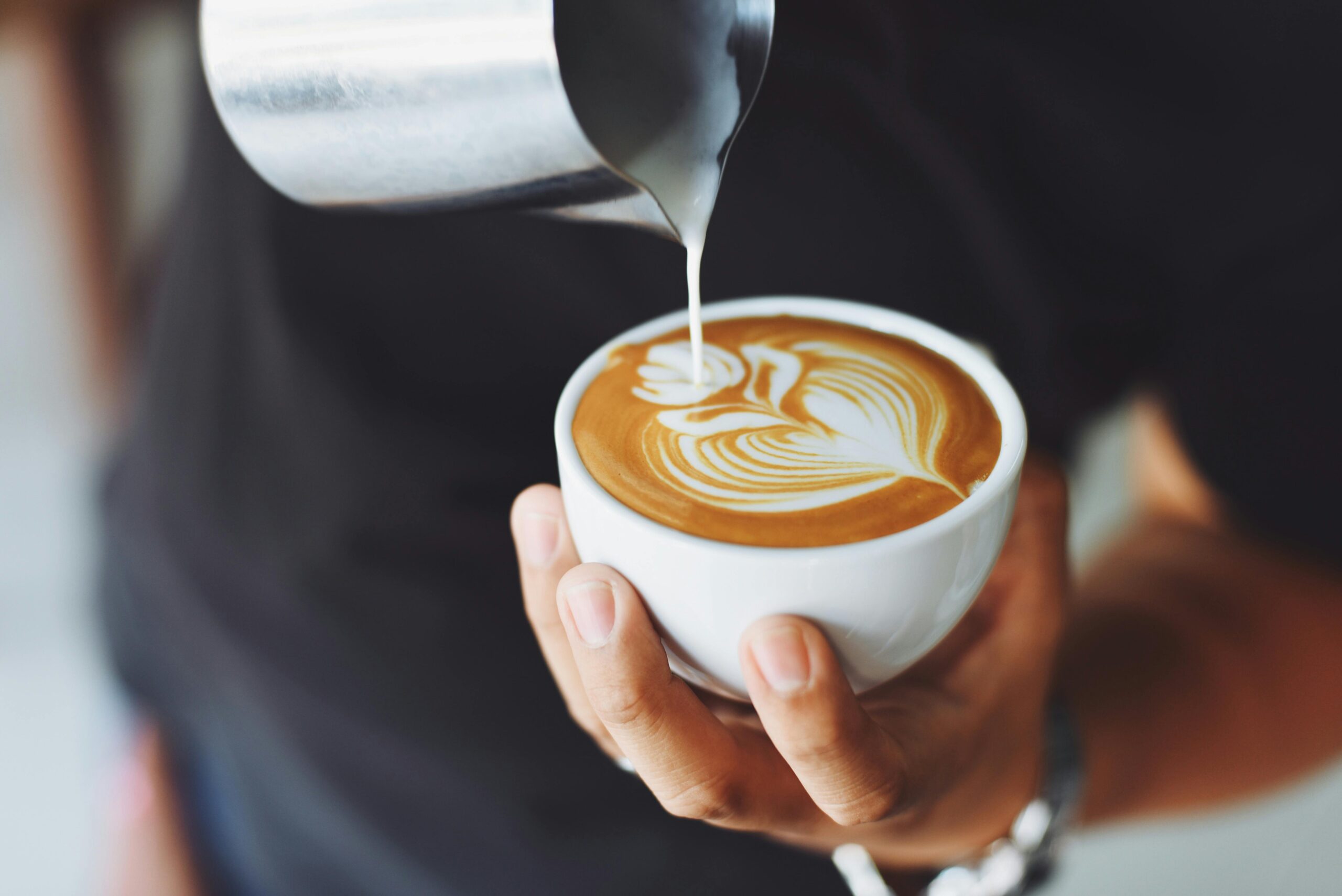
Coffee descriptors include brightness (acidity), body (weight), and flavor notes ranging from chocolatey and nutty to fruity and floral. Tea vocabulary covers astringency, floral qualities, earthiness, and whether the tea is light or robust.
Wine and Spirits 🍷
Wine descriptions involve tannins (that dry, puckering sensation), body, acidity, fruit characteristics, oak influence, and finish length. Terms like jammy, herbaceous, mineral, or buttery frequently appear in wine descriptions.
Chocolate
Quality chocolate presents complex flavors beyond simple sweetness. Look for fruity notes, earthiness, nuttiness, or even tobacco and leather characteristics in dark chocolate. Describe the cocoa intensity and whether the chocolate is smooth or grainy.
Cheese 🧀
Cheese flavors range from mild and milky to sharp and pungent. Consider age (young vs. aged), creaminess, tanginess, and specific flavor notes like grassy, nutty, or mushroomy. Texture plays a huge role in cheese description.
Common Mistakes to Avoid
As you develop your taste description skills, watch out for these common pitfalls that can make your descriptions less effective.
Being Too Vague
Saying something tastes “good” or “bad” provides no useful information. Instead of “this tastes nice,” try “this has a pleasant balance of sweet and tangy flavors with a smooth, creamy texture.” Specificity is your friend.
Using Only Technical Terms
While professional terminology has its place, overly technical language can alienate your audience. Balance sophisticated vocabulary with accessible descriptions. Not everyone knows what “phenolic bitterness” means, but most understand “pleasantly bitter like dark chocolate.”
Ignoring Personal Preferences
Objective description differs from personal preference. You can acknowledge that something has intense garlic flavor without saying whether that’s good or bad. This allows others to decide if they’d enjoy it based on their own tastes.
🌍 Cultural Perspectives on Taste
Different cultures have developed unique approaches to describing and categorizing taste. Understanding these perspectives can enrich your own vocabulary and appreciation.
Traditional Chinese cuisine recognizes additional taste categories beyond the Western five, including spicy-hot, numbness (from Sichuan peppercorns), and fragrant. Indian cuisine has a sophisticated system describing six tastes (rasas) including astringent as a distinct category. Japanese culinary tradition emphasizes kokumi, a sensation of richness and mouthfulness beyond umami.
Exploring how different cultures articulate taste opens new dimensions of flavor description and reminds us that taste perception involves both biological and cultural components.
Developing Your Tasting Skills Over Time
Like any skill, taste description improves with practice. Here’s how to continue developing your abilities long-term.
Keep a Taste Journal 📝
Document your tasting experiences regularly. Write down what you eat, the flavors you detect, and how you’d describe them. Over time, you’ll notice patterns in your preferences and see your vocabulary expanding naturally. Review past entries to track your progress.
Taste with Others
Discussing flavors with friends, family, or tasting groups provides valuable perspective. Others might detect notes you missed or use descriptors you hadn’t considered. These conversations enhance everyone’s tasting ability through shared observation.
Take Tasting Classes
Many wine shops, coffee roasters, and culinary schools offer tasting workshops. These structured experiences with expert guidance can accelerate your learning and introduce you to reference standards for various flavors.
Challenge Yourself with Blind Tastings
Removing visual information forces you to rely entirely on taste and smell, sharpening those senses. Try blind tastings with friends using similar foods—different apple varieties, chocolate brands, or olive oils. This exercise dramatically improves detection of subtle differences.
🍴 Applying Taste Description in Daily Life
Understanding flavor description has practical applications beyond impressing dinner companions.
Improving Your Cooking
When you can identify what a dish needs—more acidity, a touch of sweetness, or perhaps umami depth—you cook with greater confidence and success. Taste description skills make recipe adjustments intuitive rather than guesswork.
Making Better Food Choices
Whether shopping at farmers markets, ordering at restaurants, or choosing wines, the ability to describe what you like helps vendors and servers guide you toward options you’ll truly enjoy. Instead of saying “I like red wine,” you can specify “I prefer medium-bodied reds with berry flavors and soft tannins.”
Sharing Food Experiences
Food brings people together, and articulate descriptions enhance shared experiences. When you can vividly describe a dish to friends, you’re not just sharing information—you’re sharing the experience itself. Your words can inspire others to try new foods or appreciate familiar ones differently.
Technology Tools for Taste Exploration
Modern technology offers innovative ways to explore and document flavors. Various apps help you build tasting notes, identify flavor profiles, and connect with other food enthusiasts. These digital tools complement traditional tasting practice by providing structure and community support for your flavor journey.

Moving Forward with Confidence
Describing taste doesn’t require innate talent or professional training—just curiosity, attention, and practice. Start simply by noticing one specific flavor element in your next meal. Is it sweet, salty, sour, bitter, or umami? What does it remind you of? How would you describe the texture?
Each meal presents an opportunity to practice. As your awareness grows, so will your vocabulary and confidence. You’ll begin noticing subtle distinctions you previously overlooked, and food experiences will become richer and more memorable.
The language of flavor is accessible to everyone willing to pay attention and explore. Whether you’re tasting coffee, chocolate, wine, or a home-cooked meal, you now have the framework to unlock and articulate those flavors. Your journey toward becoming fluent in taste description begins with the very next bite. Pay attention, be curious, and trust your perceptions—your palate is more sophisticated than you might think. With practice and patience, describing taste will become as natural as the act of eating itself, transforming every meal into an opportunity for discovery and expression. 🎉