The invisible threads connecting aroma and flavor create magic on our plates every day. Understanding this sensory partnership reveals why exceptional dining experiences transcend mere sustenance, transforming meals into memorable journeys that engage all our senses simultaneously.

Modern culinary science has unveiled fascinating insights into how our brains process taste and smell together. This revelation has sparked a revolutionary approach called aroma mapping, where chefs, food scientists, and sensory experts systematically chart how different scents influence our perception of flavors, creating unprecedented opportunities for culinary innovation and personalized dining experiences.
🧠 The Science Behind Taste and Smell Integration
Our perception of flavor is far more complex than the simple tastes our tongue detects. While taste buds identify sweet, salty, sour, bitter, and umami, approximately 80-90% of what we experience as “taste” actually comes from our olfactory system. This phenomenon, known as retronasal olfaction, occurs when aromatic molecules travel from the back of the mouth to the nasal cavity during eating.
The olfactory bulb connects directly to the limbic system, the brain region responsible for emotions and memories. This neurological pathway explains why certain aromas can instantly transport us to specific moments in our past, and why smell plays such a crucial role in creating emotionally resonant culinary experiences.
Neurogastronomy research demonstrates that our brains construct flavor by combining sensory inputs from taste, smell, texture, temperature, and even sound. When these elements harmonize perfectly, they create what food scientists call “flavor synergy”—a phenomenon where the whole becomes greater than the sum of its parts.
📊 What Is Aroma Mapping?
Aroma mapping represents a systematic approach to documenting and analyzing the aromatic compounds present in ingredients and how they interact with taste perception. This technique involves identifying volatile organic compounds, cataloging their sensory properties, and understanding how they combine to create complex flavor profiles.
Professional aroma mapping utilizes sophisticated technology including gas chromatography-mass spectrometry (GC-MS) to identify specific aromatic molecules. However, the practice also relies heavily on trained sensory panels who can articulate nuanced aromatic experiences and their effects on overall flavor perception.
Key Components of Effective Aroma Mapping
The foundation of aroma mapping rests on several critical elements that work together to create a comprehensive sensory profile. First, molecular identification establishes which chemical compounds create specific aromatic experiences. Second, intensity measurement determines how strongly different aromas register to human perception at various concentrations.
Temporal profiling tracks how aromas evolve during preparation, presentation, and consumption. Some aromatic compounds volatilize quickly, creating immediate impressions, while others emerge slowly, contributing to lingering aftertastes. Understanding these temporal dynamics allows culinary professionals to orchestrate flavor experiences that unfold deliberately over time.
Cross-modal interactions examine how aromas influence perceptions beyond taste—affecting judgments about texture, temperature, and even visual appeal. Research shows that certain aromas can make foods seem sweeter, saltier, or creamier without changing their actual composition.
🍽️ Revolutionary Applications in Modern Gastronomy
Forward-thinking restaurants have embraced aroma mapping to create multi-sensory dining experiences that challenge traditional culinary boundaries. The famous Spanish restaurant El Bulli pioneered many techniques using aromatic analysis to deconstruct and reconstruct classic dishes, presenting familiar flavors in unexpected forms.
Molecular gastronomy relies heavily on aroma mapping principles to create signature techniques like flavor encapsulation, where aromatic compounds are trapped in edible spheres that burst in the mouth, delivering concentrated flavor explosions. Aromatic foams, created by infusing gases with specific volatile compounds, add ethereal textural and aromatic layers to dishes.
Personalized Flavor Experiences
Emerging technology enables restaurants to customize dishes based on individual aromatic preferences. Some establishments now conduct pre-dining sensory assessments, identifying which aromatic families resonate most strongly with each guest. Chefs then adjust preparations to emphasize those aromatic profiles, creating truly personalized culinary experiences.
This personalization extends beyond fine dining. Food manufacturers use aroma mapping to develop products appealing to specific demographic groups, accounting for cultural differences in aromatic preferences and individual variations in olfactory sensitivity.
🌿 Pairing Principles Based on Aromatic Compatibility
Traditional food pairing often relied on cultural precedent and trial-and-error experimentation. Aroma mapping introduces scientific precision to this process by identifying shared aromatic compounds between ingredients. When foods share similar volatile molecules, they tend to complement each other harmoniously.
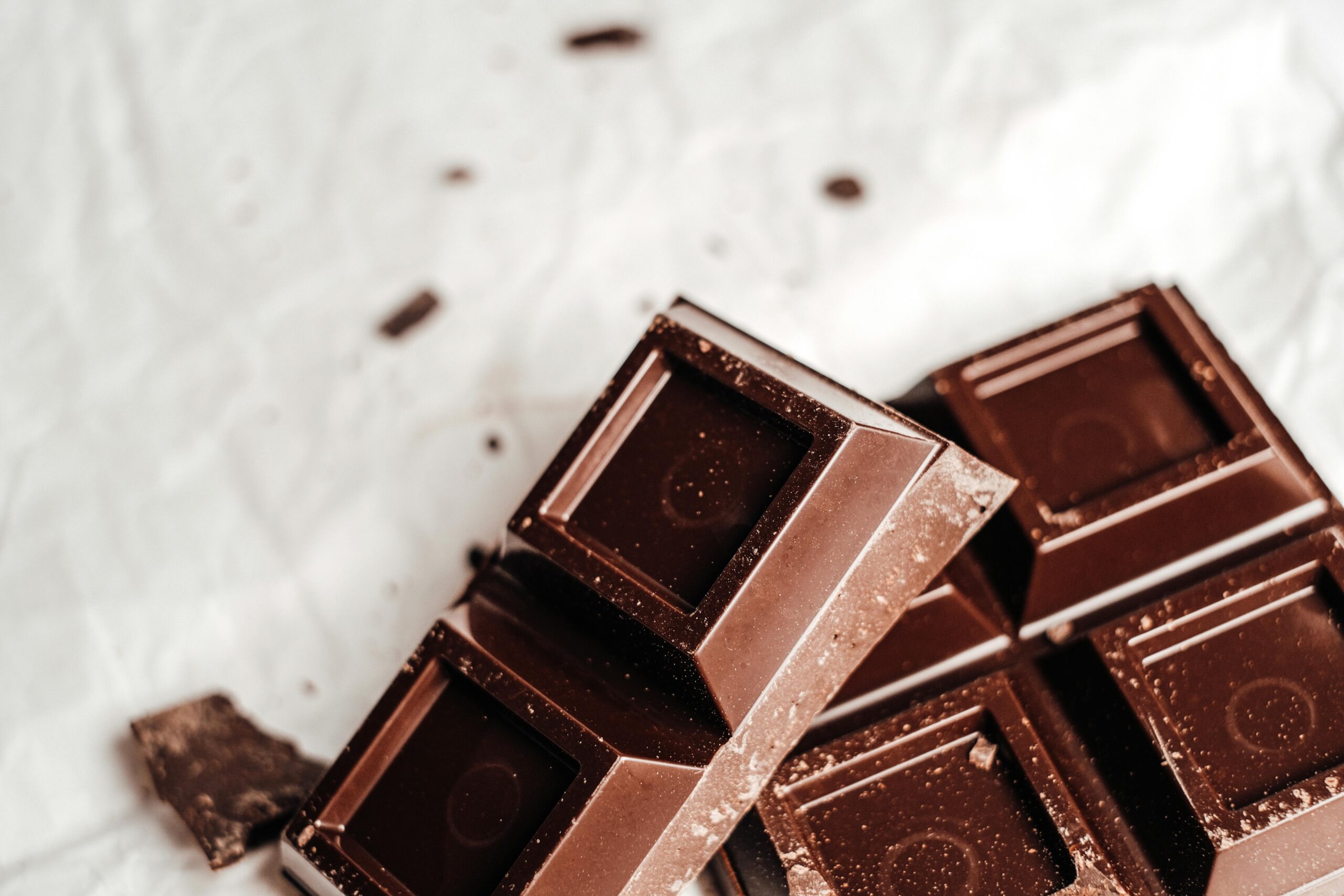
Foodpairing theory, developed by Belgian scientist Bernard Lahousse, applies this principle systematically. Analysis reveals surprising combinations—like chocolate and blue cheese, which share over 70 aromatic compounds—that might seem unconventional but create remarkable flavor synergies.
Building Aromatic Bridges
Strategic ingredient selection based on aromatic profiles allows chefs to create “bridge” elements that unite disparate flavors. For example, vanilla contains aromatic compounds found in both seafood and stone fruits, making it an unexpected but effective bridge ingredient that can unite these seemingly incompatible categories.
Aromatic layering techniques build complexity by introducing ingredients with complementary but distinct aromatic profiles. A dish might feature citrus top notes, herbal middle notes, and earthy base notes, creating an aromatic architecture analogous to perfume composition.
🔬 Technology Empowering Aroma Analysis
Advanced analytical instruments have democratized aroma mapping, making it accessible beyond elite research laboratories. Portable electronic noses—devices containing sensor arrays that detect volatile compounds—enable real-time aromatic analysis in restaurant kitchens and food production facilities.
Artificial intelligence and machine learning algorithms now predict flavor compatibility based on molecular aromatic data. These systems analyze thousands of ingredient combinations, identifying promising pairings that human intuition might overlook. The computational power accelerates innovation while preserving the creative artistry that defines exceptional cuisine.
Digital Aroma Libraries
Comprehensive digital databases catalog the aromatic profiles of thousands of ingredients, creating searchable resources for culinary professionals. These libraries include not just raw ingredients but also how cooking methods alter aromatic compositions—how roasting develops different volatile compounds than steaming or fermenting.
Some platforms incorporate user-generated sensory data, crowdsourcing aromatic descriptions and flavor experiences from diverse populations. This democratization of sensory science captures cultural variations in aromatic perception and preference that purely molecular analysis might miss.
🎨 Practical Applications for Home Cooks
While professional kitchens leverage sophisticated equipment, home cooks can apply aroma mapping principles using basic techniques. Developing aromatic awareness begins with mindful tasting—consciously separating taste sensations from aromatic perceptions by temporarily blocking the nose while eating, then releasing it to experience the aromatic contribution.
Building a personal aromatic vocabulary enhances cooking intuition. Rather than simply noting foods taste “good” or “bad,” identifying specific aromatic qualities—floral, woody, fruity, spicy—sharpens sensory discrimination and improves ingredient selection abilities.
Simple Aromatic Experiments
Home experimentation with aromatic principles requires no special equipment. Tasting identical foods at different temperatures reveals how heat affects volatile compound release—why coffee smells more aromatic when hot, or how chilling suppresses certain flavors. This understanding informs optimal serving temperatures for different dishes.
Creating aromatic infusions—steeping herbs, spices, or aromatics in oils, vinegars, or spirits—teaches how volatile compounds transfer between mediums. These homemade infusions become flavor-building tools that add aromatic complexity to everyday cooking.
🌍 Cultural Dimensions of Aromatic Perception
Aromatic preferences vary significantly across cultures, shaped by dietary traditions, available ingredients, and learned associations. What one culture perceives as appetizing, another might find off-putting. Understanding these variations prevents aromatic missteps when cooking for diverse audiences or exploring unfamiliar cuisines.
Fermented foods illustrate this cultural variability perfectly. The aromatic compounds in kimchi, natto, or aged cheeses develop through bacterial and fungal action, creating potent aromas that devotees adore but newcomers often find challenging. Repeated exposure typically shifts perception as the brain forms positive associations between these aromas and pleasurable eating experiences.
Building Cross-Cultural Aromatic Bridges
Fusion cuisine succeeds when it respects aromatic traditions while creating novel combinations. Effective fusion identifies shared aromatic ground between culinary traditions—perhaps the citrus notes common to Thai and Latin American cuisines—then builds connections through these familiar elements while introducing contrasting elements gradually.
Global food trends increasingly reflect aromatic adventurousness as consumers seek novel sensory experiences. However, commercial success still requires balancing innovation with familiarity, ensuring new aromatic combinations don’t alienate mainstream palates while offering enough novelty to seem exciting.
🍷 Beverage Pairing Through Aromatic Harmony
Wine pairing traditions instinctively apply aromatic principles, though historically without explicit scientific understanding. The classic pairing of Sauvignon Blanc with goat cheese works partly because both share similar herbaceous, grassy aromatic compounds. Modern sommeliers increasingly reference specific aromatic molecules when explaining pairing rationale.
Craft cocktail culture has embraced aroma mapping enthusiastically, with mixologists treating spirits, bitters, and garnishes as aromatic building blocks. Smoked cocktails, flamed citrus peels, and aromatic mists demonstrate conscious manipulation of aromatic environments to enhance drinking experiences.
Beyond Alcoholic Beverages
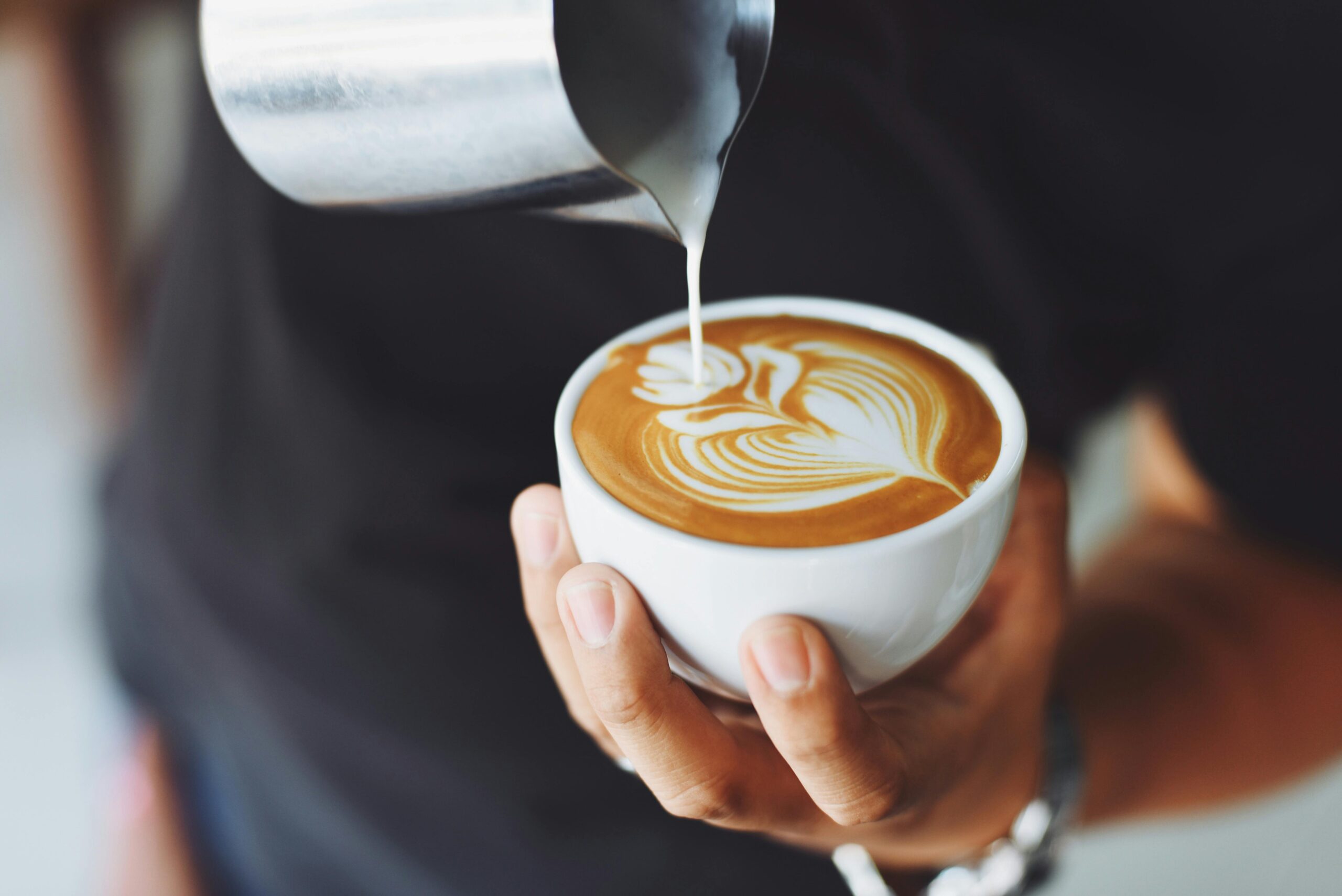
Non-alcoholic beverage pairing applies identical principles. Specialty coffee professionals describe aromatic profiles using similar language to sommeliers—noting fruity, floral, or chocolatey notes. Tea sommelier certifications train practitioners in aromatic analysis, matching teas to foods based on complementary aromatic compounds.
Functional beverages increasingly incorporate aromatic elements not just for flavor but for their psychoactive properties. Certain aromatics like lavender or chamomile promote relaxation, while citrus or mint energize. This convergence of flavor science and aromatherapy creates beverages designed to modulate both sensory pleasure and emotional states.
💡 Future Directions in Aromatic Innovation
Virtual reality and augmented reality technologies promise to revolutionize how we experience aromas in digital contexts. Researchers are developing devices that release programmable scents synchronized with visual media, potentially allowing remote dining experiences or digital recipe testing that includes aromatic components.
Biotechnology opens possibilities for creating novel aromatic compounds through precision fermentation or synthetic biology. These techniques could produce rare aromatic molecules sustainably, recreating endangered flavors or designing entirely new aromatic experiences impossible to achieve through traditional agricultural methods.
Sustainability and Aromatic Preservation
Climate change threatens aromatic diversity as warming temperatures alter growing conditions for aromatic plants. Aroma mapping contributes to conservation efforts by documenting endangered flavor profiles, creating molecular blueprints that preserve sensory heritage even if original cultivars disappear.
Upcycled food movements apply aromatic analysis to previously discarded ingredients, discovering that vegetable stems, fruit peels, and other byproducts contain concentrated aromatic compounds. This approach reduces waste while introducing compelling flavors to innovative products.
🎯 Transforming Everyday Eating Into Extraordinary Experiences
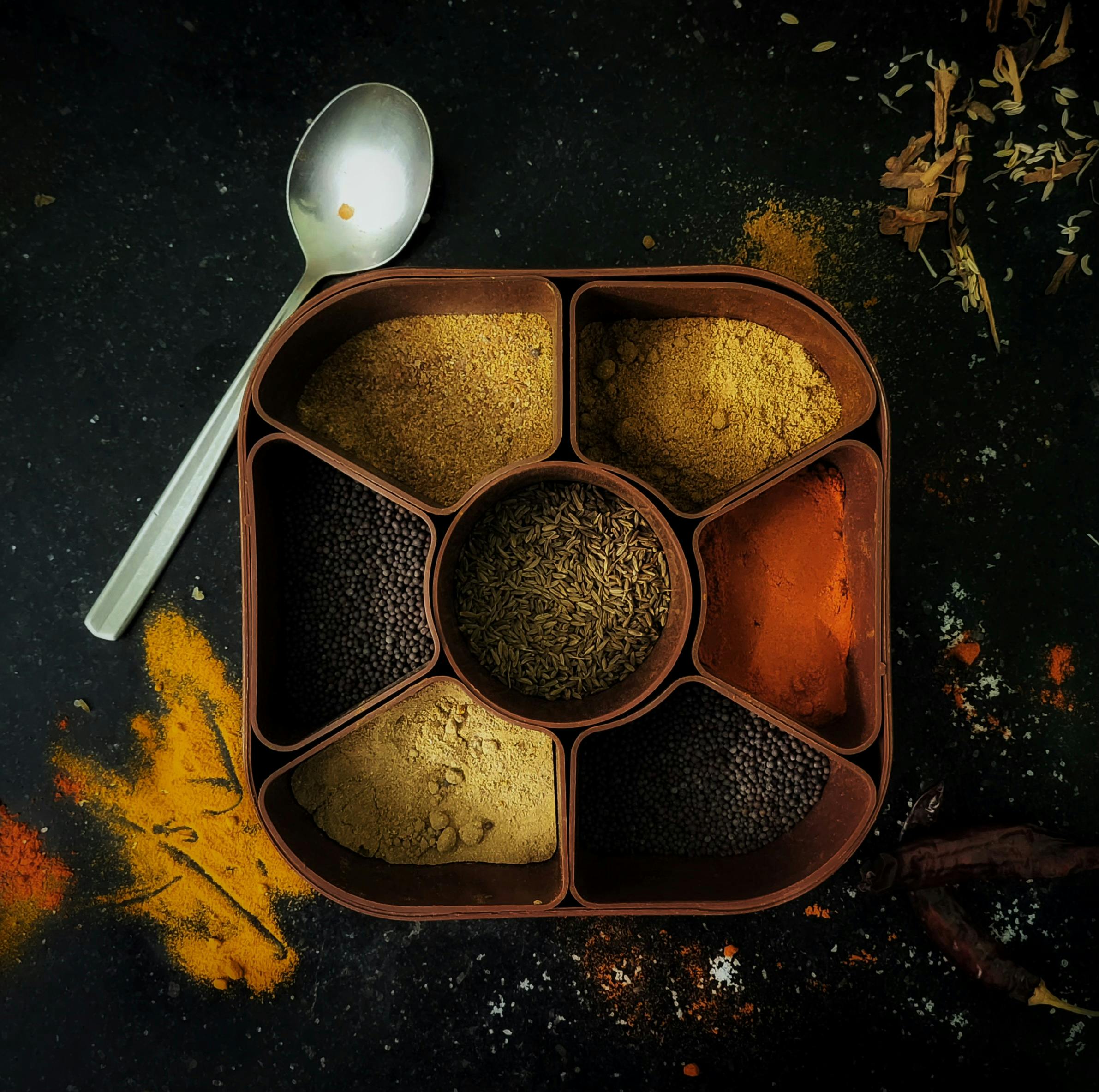
Integrating aromatic awareness into daily life doesn’t require professional training or expensive equipment. Simple practices like crushing herbs to release aromatics just before serving, toasting spices to develop their volatile compounds, or paying attention to how aromas change during cooking all enhance home cooking significantly.
Creating aromatic moments around meals—perhaps lighting aromatic candles in complementary scent families, or serving dishes with dramatic aromatic reveals when lids are lifted—transforms routine dining into occasions that engage memory and emotion alongside hunger satisfaction.
The most profound impact of understanding aroma mapping may be cultivating mindfulness around eating. When we consciously attend to aromatic experiences, meals become meditative practices rather than mindless fuel consumption. This attentiveness naturally promotes healthier eating patterns, greater satisfaction with smaller portions, and deeper appreciation for the remarkable sensory machinery we possess.
🌟 The Aromatic Future of Food
As our understanding of aroma-taste connections deepens, culinary boundaries continue expanding. Restaurants increasingly hire specialized aromatic designers who craft scent environments complementing food service. Home fragrance companies collaborate with chefs to create candles and diffusers inspired by specific cuisines or dishes.
Education systems are beginning to incorporate sensory literacy into curricula, teaching children to identify and articulate aromatic experiences. This early training develops more sophisticated palates and potentially reduces picky eating by helping children understand and navigate novel sensory experiences with curiosity rather than fear.
Ultimately, aroma mapping represents more than scientific curiosity or culinary technique. It offers a framework for understanding how we construct reality through our senses, revealing the malleable nature of perception itself. By consciously shaping aromatic experiences, we gain agency over one of life’s most fundamental pleasures—the joy of eating—transforming necessary sustenance into artful, memorable, emotionally resonant experiences that nourish body, mind, and spirit together.