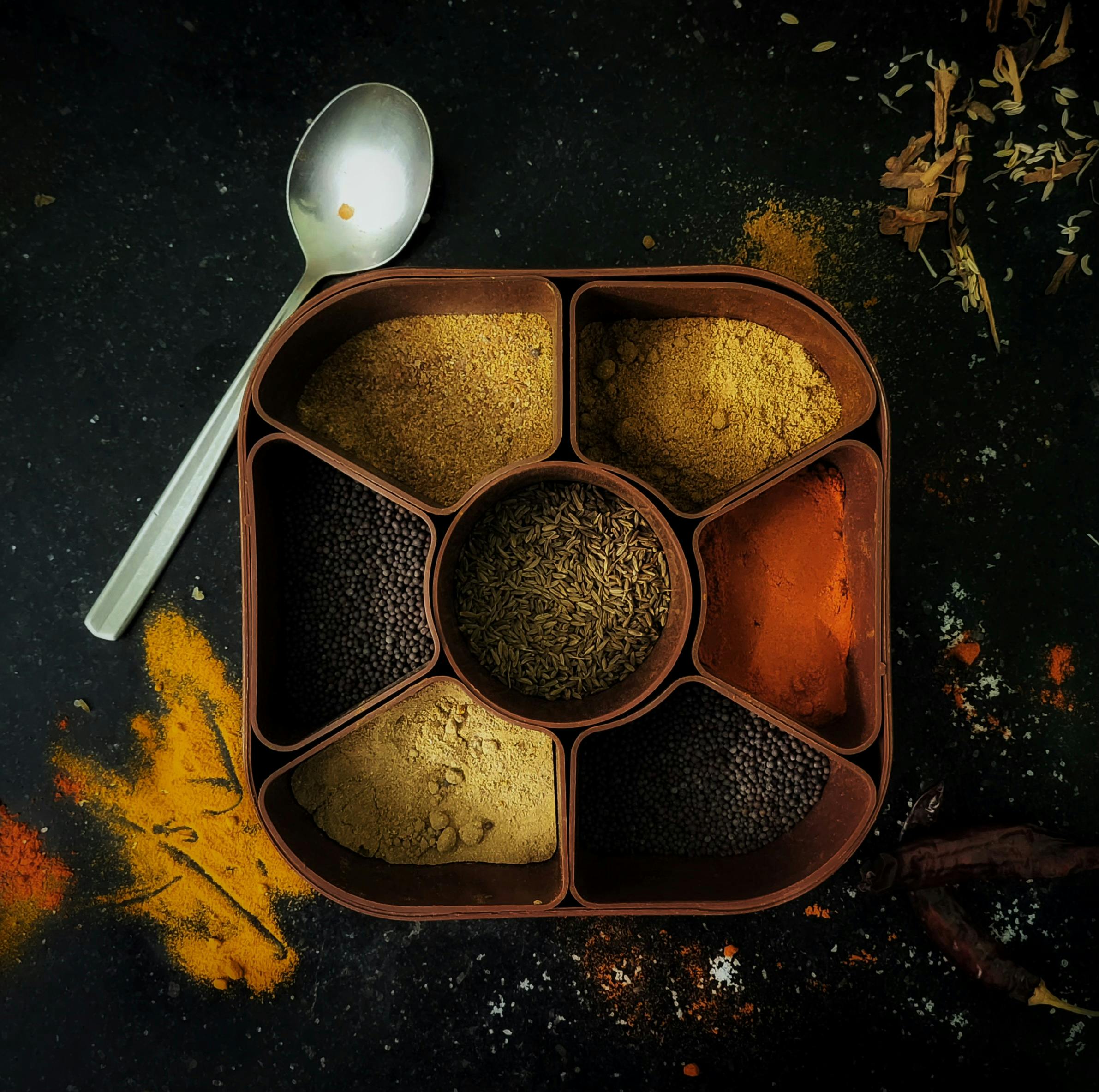
Mastering flavor profiling transforms ordinary cooking into extraordinary culinary artistry. Understanding how sweetness, acidity, bitterness, and umami interact creates dishes that resonate deeply with diners and elevate every meal.

The human palate recognizes five primary taste sensations, each playing a crucial role in how we experience food. Professional chefs spend years developing their ability to balance these flavors, but the fundamental principles are accessible to any home cook willing to explore the fascinating world of taste. By learning to identify, adjust, and harmonize these essential flavor components, you’ll unlock the potential to create memorable dishes that satisfy on multiple sensory levels.
🎨 The Foundation of Flavor: Understanding the Five Taste Profiles
Before diving into specific techniques, it’s essential to understand what each taste profile brings to your culinary palette. Sweet, sour (acidity), bitter, salty, and umami each serve distinct purposes in food preparation, and recognizing their characteristics helps you make informed decisions while cooking.
Sweetness provides comfort and balance, often softening harsh edges from other flavors. Acidity brightens dishes and cuts through richness, making heavy foods feel lighter and more vibrant. Bitterness adds complexity and sophistication, preventing dishes from becoming one-dimensional. Umami delivers savory depth and satisfaction that makes food taste more substantial and complete.
The Science Behind Taste Perception
Your taste buds contain specialized receptor cells that respond to different chemical compounds in food. When these receptors activate, they send signals to your brain, creating the sensation of taste. Understanding this biological process helps explain why certain flavor combinations work harmoniously while others clash.
Temperature, texture, and aroma significantly influence how we perceive flavors. A cold dessert tastes less sweet than the same dessert served at room temperature. This knowledge allows skilled cooks to adjust seasoning based on serving conditions, ensuring optimal flavor delivery.
🍯 Mastering Sweetness: More Than Just Desserts
Sweetness extends far beyond sugar and desserts. This flavor profile plays a crucial role in savory cooking, balancing acidity in tomato sauces, rounding out spicy heat, and adding depth to marinades and glazes.
Natural sweetness comes from various sources including fruits, vegetables like carrots and bell peppers, caramelized onions, and roasted ingredients. Learning to recognize and enhance natural sugars in ingredients reduces the need for added sweeteners while creating more complex flavor profiles.
Strategic Sweetness Application Techniques
Adding sweetness at different stages of cooking produces varying results. Early addition allows sugars to caramelize and develop deeper flavors, while finishing with sweetness provides a bright, fresh quality. Consider maple syrup in a morning glaze versus honey drizzled over finished roasted vegetables—both sweet, but dramatically different effects.
Balancing sweetness requires understanding its relationship with other flavors. Too much sweetness overwhelms; too little leaves dishes tasting flat or excessively acidic. The key lies in incremental adjustments, tasting frequently, and considering the dish’s overall flavor architecture.
🍋 Acidity: The Secret Weapon of Professional Chefs
Professional kitchens rely heavily on acidity to elevate dishes from good to exceptional. A squeeze of lemon, splash of vinegar, or handful of fresh tomatoes can transform a flat-tasting dish into something vibrant and compelling.
Acidity serves multiple functions: it brightens flavors, cuts through fatty richness, balances sweetness, and stimulates appetite. Think about how a wedge of lemon transforms fried fish or how balsamic vinegar enhances strawberries—acidity highlights and complements rather than dominates.
Types of Acidity and Their Applications
Different acid sources provide unique flavor profiles beyond their tartness. Citrus acids bring brightness and freshness, perfect for seafood and light summer dishes. Vinegar-based acidity offers complexity with varying undertones depending on the type—red wine vinegar differs significantly from apple cider or rice vinegar.
Fermented ingredients like yogurt, buttermilk, and pickled vegetables contribute acidity alongside beneficial bacteria and additional flavor layers. These ingredients add tanginess while creating textural interest and nutritional benefits.
Finding the Acidity Sweet Spot
Too much acid makes dishes sharp and unpleasant, while insufficient acidity results in bland, heavy food. Start with less than you think necessary, then adjust gradually. Remember that acidity perception changes with temperature—cold dishes often need more acid than hot ones.
Consider pairing acids with fats for optimal balance. Rich, creamy dishes cry out for acidic components to prevent palate fatigue. Classic combinations like fish and chips with malt vinegar or pork chops with apple sauce demonstrate this principle beautifully.
☕ Embracing Bitterness: The Sophisticated Flavor Profile
Bitterness often gets unfairly maligned, yet it’s essential for creating sophisticated, adult flavors. Coffee, dark chocolate, radicchio, and hoppy beers all showcase bitterness in appealing ways when properly balanced.
Many people develop appreciation for bitter flavors over time, as children typically reject bitterness as a protective mechanism. Adults who embrace bitter components discover a world of complex flavors that add depth and prevent sweetness from becoming cloying.
Incorporating Bitterness Without Overwhelming
The key to using bitter ingredients lies in restraint and balance. Small amounts of bitter greens in a salad provide contrast without dominating. A touch of espresso powder in chocolate desserts enhances chocolate flavor without making the dish taste like coffee.
Cooking methods significantly impact bitterness levels. Roasting Brussels sprouts caramelizes their sugars while mellowing bitterness. Blanching bitter greens before sautéing reduces harsh compounds. Understanding these techniques allows you to control bitterness intensity.
Bitter Ingredients Worth Exploring
Expand your bitter ingredient repertoire beyond the obvious choices. Grapefruit pith, dark leafy greens, turmeric, fenugreek, and certain herbs like oregano and thyme all contribute bitterness. Cacao nibs, burnt sugar, and charred vegetables offer roasted bitterness that adds complexity to dishes.
🍄 Umami: The Fifth Taste That Changes Everything
Umami, often described as savory or meaty, represents the most recently identified taste profile. This Japanese word translates roughly to “pleasant savory taste” and describes the satisfying depth found in aged cheeses, mushrooms, tomatoes, and fermented products.
Glutamates and nucleotides trigger umami receptors, creating a sensation of fullness and satisfaction that makes food taste more complete. This explains why a simple tomato sauce becomes extraordinary with the addition of parmesan cheese—both ingredients high in natural umami compounds.
Building Umami-Rich Dishes
Layer multiple umami sources for maximum impact. A soup built on bone broth, enriched with mushrooms, finished with miso paste, and garnished with parmesan creates umami synergy that exceeds the sum of its parts. This layering technique explains why traditional recipes often include seemingly redundant ingredients.
Umami ingredients enhance perceived saltiness, allowing you to reduce sodium while maintaining satisfying flavor. This makes umami particularly valuable for health-conscious cooking without sacrificing taste.
Natural Umami Sources for Every Kitchen
Stock your pantry with umami-rich ingredients: soy sauce, fish sauce, dried mushrooms, tomato paste, aged cheeses, anchovies, and miso paste. These ingredients keep well and provide instant depth to countless dishes. Even vegetarian and vegan cooks can create profound umami flavors using plant-based sources like nutritional yeast, fermented vegetables, and seaweed.
⚖️ The Art of Balance: Bringing Flavors Together
Understanding individual flavor profiles matters less than knowing how to balance them harmoniously. The most memorable dishes achieve equilibrium where no single flavor dominates, yet each contributes to a cohesive whole.
Start by identifying your dish’s dominant flavor, then consider which profiles would provide contrast and balance. A sweet butternut squash soup benefits from acidic crème fraîche and bitter toasted pepitas. Rich, fatty pork belly needs acidic pickled vegetables and perhaps a sweet-spicy glaze.
Tasting and Adjusting Like a Pro
Develop a systematic approach to tasting and adjusting flavors. Take a small spoonful, let it sit on your tongue momentarily, and consider what the dish needs. Does it taste flat? Add acid. Too sharp? Incorporate sweetness. Lacking depth? Boost umami. One-dimensional? Introduce subtle bitterness.
Make adjustments incrementally, allowing each addition to integrate before tasting again. Rushing this process leads to overseasoning and muddy flavors. Professional chefs taste constantly throughout cooking, making minor corrections that accumulate into perfectly balanced finished dishes.
Creating Your Flavor Profile Toolkit
Maintain a selection of ingredients that deliver each flavor profile quickly. Keep citrus fruits, quality vinegars, honey, hot sauce, umami-rich condiments, and fresh herbs readily available. This toolkit allows spontaneous adjustments during cooking without interrupting your workflow.
🌍 Cultural Perspectives on Flavor Balance
Different cuisines approach flavor balance uniquely, offering valuable lessons for developing your palate. Thai cuisine masterfully balances sweet, sour, salty, and spicy in nearly every dish. Italian cooking often relies on umami-rich ingredients like tomatoes, aged cheeses, and anchovies alongside bright acidity.
Japanese cuisine demonstrates restraint and subtlety, using umami to create satisfying dishes without heavy seasoning. Mexican cooking layers complexity through chiles that provide heat alongside earthy bitterness and fruity sweetness. Studying these traditions expands your flavor vocabulary and provides inspiration for your own creations.
Adapting Traditional Balance to Modern Cooking
You don’t need to cook authentically within a single tradition to benefit from these principles. Borrow the Thai approach of balancing multiple flavors in a single dish, or adopt the Italian focus on quality ingredients enhanced rather than masked by seasoning. These cross-cultural techniques create contemporary dishes with sophisticated flavor profiles.
🍽️ Practical Exercises for Developing Your Palate
Theoretical knowledge means little without practical application. Dedicate time to deliberate tasting exercises that sharpen your ability to identify and balance flavors.
Prepare a simple base recipe—plain rice, pasta, or roasted vegetables—then create variations highlighting each flavor profile. Add honey to one portion, lemon juice to another, grated parmesan to a third, and toasted nuts to a fourth. Taste each version, noting how single additions transform the base.
The Comparative Tasting Method
Sample ingredients side-by-side to understand subtle differences. Taste three types of vinegar consecutively, noting their distinct acid profiles. Compare raw, blanched, and roasted versions of the same bitter vegetable. These direct comparisons train your palate to detect nuances that might otherwise go unnoticed.
Keep a flavor journal documenting your observations. Note which combinations worked brilliantly and which fell flat. Over time, patterns emerge, revealing your personal preferences and helping you develop signature flavor approaches.
🔄 Common Flavor Imbalances and Their Solutions
Even experienced cooks occasionally create dishes that taste off. Recognizing common imbalances and knowing how to correct them saves countless meals from mediocrity.
If your dish tastes flat or boring, you likely need acidity or salt. Add a squeeze of citrus or splash of vinegar first, as this brightens flavors more effectively than additional salt. If it’s too acidic, balance with sweetness or fat—a pinch of sugar or swirl of cream works wonders.
Rescuing Overpowered Dishes
Too much sweetness requires acidity to restore balance. Too much heat from spicy ingredients responds well to dairy, sweetness, or acid depending on the dish. Excessive bitterness can be tempered with sweet and fatty elements, while overwhelming saltiness sometimes necessitates dilution or bulking up the dish with unsalted components.

🎯 Applying Flavor Profiling to Everyday Cooking
Transform routine meals by consciously considering flavor balance. That weeknight pasta becomes restaurant-quality when you finish it with lemon zest, grated parmesan, and a drizzle of quality olive oil—acid, umami, and richness elevating simple noodles.
Before declaring any dish complete, pause and assess its flavor profile. What’s present? What’s missing? Could a splash of vinegar brighten those beans? Would roasted nuts add pleasant bitterness to that salad? These small considerations separate memorable meals from forgettable ones.
Flavor profiling isn’t about following rigid rules but developing intuition through practice and attention. Each cooking session offers opportunities to experiment, adjust, and learn. As you build experience balancing sweetness, acidity, bitterness, and umami, you’ll find yourself instinctively reaching for the right ingredient at the right moment, creating dishes that resonate deeply with everyone who tastes them.